Bulgaria to Veto New EU Sanctions on Russia Citing Economic Risks and Strategic Concerns
Bulgarian Prime Minister Rumen Radev announces veto on EU’s Russia sanctions package, emphasizing threats to national economy and opposition to restrictions on Patriarch Kirill.
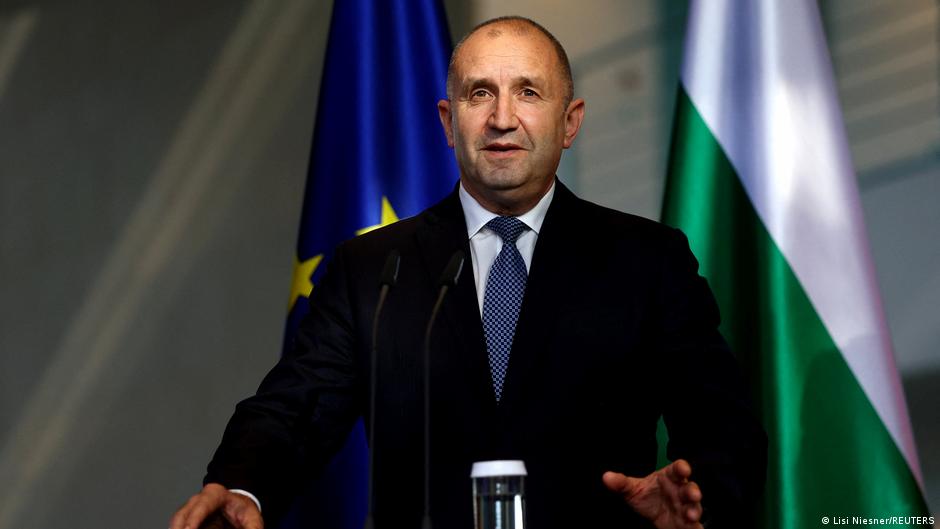
In a decisive move reflecting growing tensions within the European Union over sanctions policy, Bulgarian Prime Minister Rumen Radev declared on June 18 that Sofia will veto the latest EU sanctions package targeting Russia. The announcement underscores the difficult balancing act faced by EU member states as they navigate geopolitical pressures alongside national economic interests.
Economic and Strategic Implications for Bulgaria
Radev cited significant economic concerns as the primary rationale for Bulgaria’s veto. He expressed apprehension that the new sanctions could adversely impact the Bulgarian economy, particularly through effects on critical domestic industries. At the forefront is the oil refining sector, where Russia-linked companies play a key role.
"There is a considerable risk for the operations of Lukoil," Radev told reporters ahead of a European Union summit in Brussels. He urged for Lukoil to be removed from the sanctions list. Lukoil is one of Bulgaria’s largest retail petroleum suppliers and owns the only domestic oil refinery located in Burgas. The refinery is strategically important, not only for fuel supply but also as a significant employer and contributor to the national economy.
Beyond energy, the Prime Minister voiced concerns about potential disruptions in supply chains vital to public transportation and agriculture. Specifically, he noted the risk of shortages in spare parts for the Sofia metro system and fertilizers, which are essential for Bulgaria’s agricultural sector.
"How have these sanctions so far stopped the war? And how have they contributed to establishing peace?" Radev questioned, emphasizing the need for careful assessment within EU decision-making forums.
Despite his opposition to the sanctions package, Radev confirmed Bulgaria’s support for ongoing negotiations regarding Ukraine’s accession to the European Union, signaling a nuanced approach that balances geopolitical alignment with pragmatic economic considerations.
EU’s Expanded Sanctions and Bulgaria’s Unique Position
On June 15, the European Union expanded its sanctions against Russia by adding 34 individuals and 47 entities to restrictive lists. This round focused on entities linked to Russia’s military-industrial complex and those involved in oil exports, including through Russia’s so-called "shadow fleet." Notably, the sanctions encompassed Lukoil-West Siberia and a range of companies headquartered across Russia, Liberia, Turkey, the United Arab Emirates, Azerbaijan, and Hong Kong.
The package also targeted prominent figures in Russian media and religious spheres, including Anatoly Kuzichev, a leading host on Russia’s Channel One program Vremya Pokazhet, and Metropolitan Tikhon of Simferopol and Crimea, recognized in Russian media as a spiritual advisor to President Vladimir Putin.
Bulgaria’s stance highlights the complexity faced by EU policymakers as member states weigh the geopolitical objectives of sanctioning Russia against the economic repercussions within their own borders. Bulgaria’s veto not only signals internal EU divisions but could influence future sanction strategies and negotiations at the highest levels of European governance.