Cuba Faces Renewed Nationwide Blackout Amid U.S. Sanctions and Energy Crisis
Cuba's electrical grid collapse highlights mounting challenges of U.S. sanctions and domestic fuel shortages amid stalled diplomatic talks.
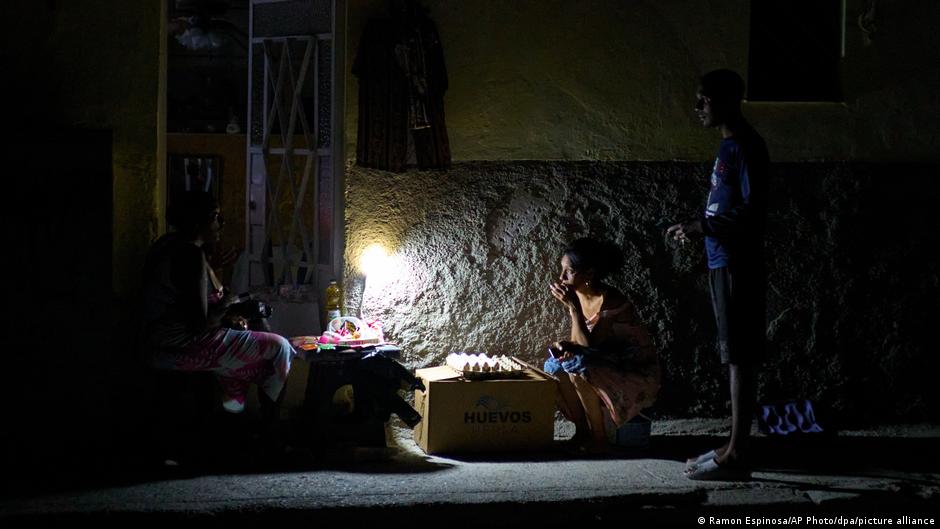
On July 6, Cuba experienced a complete nationwide blackout, as reported by the state-run utility company Unión Eléctrica. Authorities have initiated efforts to restore power, while investigations into the cause of the failure are ongoing.
Energy Crisis Deepened by U.S. Sanctions and Fuel Shortages
The blackout emerges amid escalating economic and political pressure exerted by the United States against the Cuban government. The island nation struggles to secure sufficient fuel to sustain its energy needs, with domestic production meeting only about 40% of the required volume.
Since January 2026, U.S. sanctions have severely limited Cuba's access to oil imports, permitting deliveries from only a single Russian tanker that arrived in late March carrying 730,000 barrels of oil. These reserves were depleted by May, intensifying the energy supply crunch.
"The American blockade has significantly worsened Cuba's chronic power outages, impacting the lives of approximately 10 million residents," Bloomberg reported.
Over recent months, Cubans have endured multiple large-scale energy disruptions. In mid-March, the entire country was plunged into darkness for several hours, followed by similar outages in the eastern provinces in May. To manage dwindling supplies, the government has implemented scheduled electricity shutdowns lasting up to 24 hours, further straining daily life and economic activity.
Strategic Reforms and Stalled Diplomacy
In a bid to address the prolonged energy crisis, the Cuban government has embarked on sweeping economic reforms, marking the largest partial privatization in over six decades. In June 2026, Havana proposed nearly 200 market-oriented reforms aimed at circumventing the effects of Washington’s fuel blockade.
Despite these efforts, diplomatic negotiations between Cuba and the United States have reached an impasse. The Trump administration has maintained a hardline stance with the strategic objective of inducing a regime change in Havana through sustained economic and political pressure. This deadlock complicates prospects for any immediate relief from the energy shortages.
For American businesses and international investors, the ongoing crisis in Cuba underscores the complex geopolitical risks and operational uncertainties in engaging with the Cuban market under current U.S. foreign policy. The energy disruptions combined with restrictive sanctions present significant challenges to corporate strategy and investment planning in the region.