Drone Attacks Ignite Fires at Fuel Facilities in Russia’s Rostov and Saratov Regions
Recent UAV strikes have caused significant damage to oil storage and refining infrastructure, raising concerns about regional energy supply and corporate risk management.
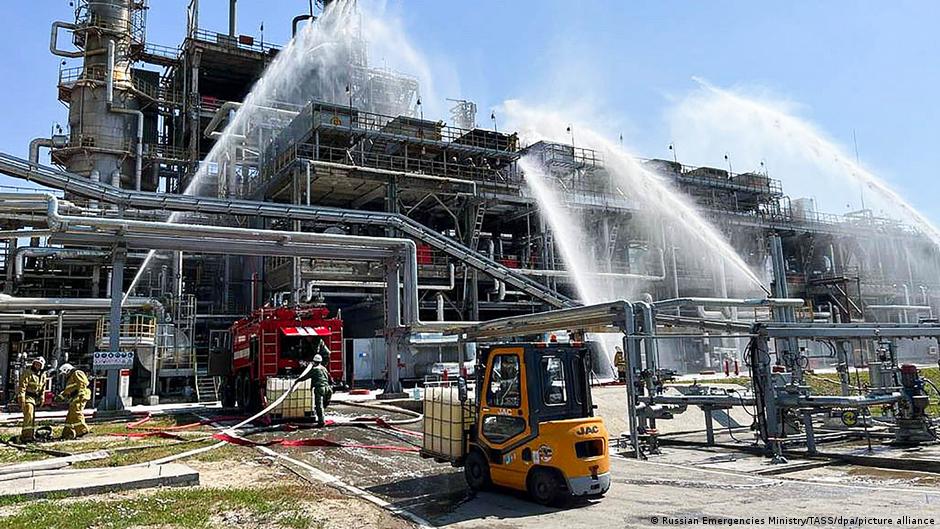
On the night of May 31, drone attacks targeted critical energy infrastructure in Russia's Rostov and Saratov regions, resulting in fires at a private fuel storage facility and a major oil refinery. These incidents underscore the increasing operational risks faced by energy companies amidst geopolitical tensions and highlight the need for enhanced corporate security strategies.
Impact on Regional Energy Infrastructure and Business Operations
The governor of Rostov region, Yuri Slyusar, reported that a private enterprise's fuel storage facility, which supplies agricultural producers, caught fire following the fall of drone debris in the Matveyev-Kurgan district. Emergency services responded promptly, deploying firefighting trains and evacuating residents near the affected private homes to ensure safety. No casualties have been reported so far.
"Residents of nearby private homes were evacuated as a safety precaution. Emergency services are actively working on site, and there are currently no reports of injuries," Governor Slyusar stated via Telegram.
The attack reportedly caused additional damage within the Matveyev-Kurgan settlement, including a pharmacy, two retail stores, and a vehicle, though again without casualties. Ukrainian open-source intelligence (OSINT) channels and Telegram sources confirm the strike targeted a local oil storage base, releasing footage of the ensuing fire and describing an unusual "oil rain" phenomenon following the fuel tank explosion.
Simultaneously, the governor of Saratov region, Roman Busargin, acknowledged overnight drone strikes damaging civilian infrastructure, with preliminary data indicating harm to the Saratov Oil Refinery. Local sources and OSINT channels have circulated multiple photos and videos showing the refinery ablaze. Notably, this refinery has previously been targeted by similar attacks, signaling a pattern of escalating threats to energy production assets in the region.
Boardroom Implications and Corporate Risk Considerations
These attacks highlight the vulnerability of vital energy infrastructure to drone and UAV strikes amid ongoing geopolitical conflicts. For executives and boards overseeing energy companies, such incidents necessitate a reassessment of security protocols and risk management frameworks.
Ensuring asset protection and operational continuity in hostile environments requires investment in advanced surveillance, rapid incident response capabilities, and collaboration with regional authorities. Furthermore, transparent communication with stakeholders about potential disruptions and proactive contingency planning will be critical to mitigate financial and reputational risks.
As the energy sector navigates these challenges, corporate leaders must integrate geopolitical risk assessments into strategic decision-making processes, balancing operational imperatives with the safety of personnel and surrounding communities.