EU and US Condemn Israeli Minister’s Video Showing Detained Pro-Palestinian Activists
Western governments criticize Israel over video depicting restrained activists, sparking diplomatic tensions and internal political rebuke.
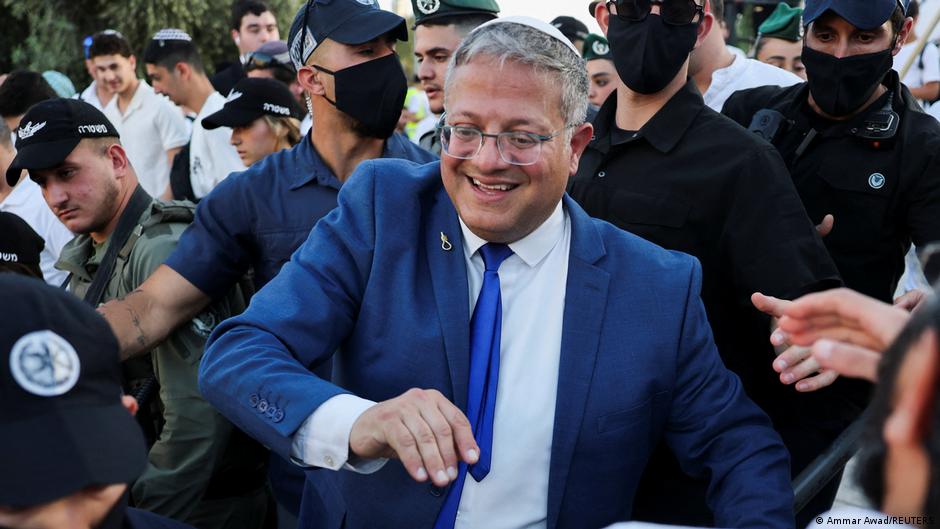
The European Union and the United States have sharply criticized Israel following the publication of a controversial video showing detained activists from the pro-Palestinian flotilla "Sumud." The footage, shared by Israeli Minister of National Security Itamar Ben-Gvir, led to diplomatic protests and high-level political backlash within Israel.
Diplomatic Fallout and Political Repercussions
The video, posted on social media platform X by Ben-Gvir, depicts activists from the humanitarian flotilla who were intercepted by Israeli naval forces en route to the Gaza Strip. The activists are shown kneeling with their hands bound behind their backs and heads bowed in the port of Ashdod, while the minister walks among them shouting in Hebrew, "Welcome to Israel, we are the masters here." The accompanying caption branded the activists as "supporters of terrorism."
This display sparked immediate diplomatic protests. Italy, France, Canada, the Netherlands, Belgium, and Portugal summoned Israeli ambassadors to express their concerns, while Spain called in the Israeli chargé d’affaires due to the absence of an ambassador. Poland's Foreign Minister Radosław Sikorski strongly condemned the treatment of detainees, some of whom were reportedly Polish citizens. "In a democratic world, detainees must not be subjected to cruel treatment or humiliation," Sikorski stated, demanding justice and accountability.
"The behavior of Minister Ben-Gvir is unworthy of any person holding public office in a democratic state." — EU High Representative for Foreign Affairs Kaya Kallas
EU officials described the conduct toward the activists as "completely unacceptable," emphasizing that detainees must be treated with dignity and in strict accordance with international law. Anwar El-Aouni, spokesperson for the EU External Action Service, called for the immediate release of the detainees. EU Foreign Policy Chief Kaya Kallas publicly labeled the treatment "humiliating and unacceptable," castigating Ben-Gvir’s behavior as unworthy of any democratic official.
In the United States, Ambassador to Israel Mike Herzog acknowledged the flotilla activists’ attempt to breach Israel’s maritime blockade as a "foolish stunt," but criticized Ben-Gvir for "betraying the dignity of his nation." Similarly, German Foreign Minister Johann Wadephul condemned the minister’s actions as "absolutely unacceptable," underscoring that such conduct fundamentally contradicts shared German-Israeli values. This sentiment was echoed by Germany's ambassador to Israel, Steffen Seibert.
Internally, Israel’s Foreign Minister Gideon Saar publicly rebuked Ben-Gvir on social media, accusing him of "deliberately damaging the state with this disgraceful spectacle" and negating the "professional efforts" of soldiers and diplomats. Prime Minister Benjamin Netanyahu affirmed Israel’s right to block provocations against its territorial waters but emphasized that Ben-Gvir’s conduct did not represent Israeli values.
Context and Strategic Implications
The "Sumud" flotilla departed from Marmaris, Turkey, on May 14 and was intercepted on May 18 approximately 250 nautical miles from Gaza in international waters. Organizers reported that 428 individuals from over 40 countries were detained. This incident marks the latest attempt to break Israel's maritime blockade of Gaza—previous flotillas, including one involving climate activist Greta Thunberg in October 2025, were similarly intercepted.
Israeli authorities consider these flotillas as attempts to support Hamas, designated as a terrorist organization by both the EU and the US, and have repeatedly pledged to prevent breaches of the blockade. The publication of the video and ensuing diplomatic fallout highlight the delicate balance Israel faces between national security measures and international diplomatic relations.
For corporate and governmental executives monitoring geopolitical risk, the incident underscores the potential for escalations that impact international partnerships, foreign policy, and regional stability. The public rebuke of a cabinet minister by senior Israeli officials reflects internal tensions over strategic communication and the management of Israel’s global image.