EU Cuts Duty-Free Steel Import Quota by Nearly Half to Protect Domestic Industry
European Union reduces duty-free steel import quota by 47% and doubles tariffs on excess imports to shield local producers.
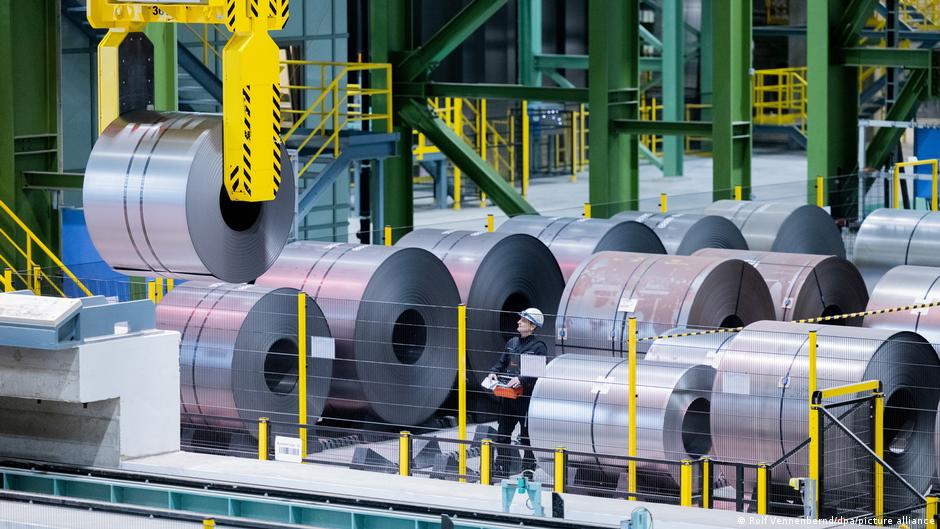
In a strategic move to protect its domestic steel industry, the European Union has implemented stricter import regulations effective July 1. The duty-free import quota for steel has been curtailed by approximately 47%, now capped at 18.3 million tonnes annually. Any steel imports exceeding this quota will face a 50% tariff, doubling the previous rate.
Protecting European Steelmakers Amid Global Market Pressures
The EU’s new measures respond to concerns about a surge in cheap steel imports that could undermine the competitiveness of European producers, particularly Germany, which holds the largest steelmaking capacity within the bloc. Under the revised policy, duty-free steel import quotas are allocated to specific third countries, with provisions allowing unused quotas to be carried over into subsequent quarters.
"The EU aims to curb the influx of low-cost steel imports by significantly tightening quotas and increasing tariffs, bolstering the region’s steel sector against global market distortions."
According to the World Steel Association (Worldsteel), China produced approximately 961 million tonnes of steel in 2025, accounting for over half of global steel production. In contrast, Germany’s steel output stood at about 34 million tonnes in the same year.
The European Union has notably criticized China for its extensive state support of the steel industry, which it claims results in global steel overcapacity and unfair trade practices. By enforcing higher tariffs on steel imports beyond the quota, the EU is positioning itself to mitigate market imbalances and protect local manufacturing jobs and investments.
For corporate executives and board members in the steel sector, this regulatory shift signals a critical change in market dynamics that will affect supply chain strategies, pricing policies, and international trade relations. Companies importing steel into the EU will need to closely monitor quota allocations and adjust procurement plans to avoid substantial tariff costs.
Moreover, the policy underscores the growing tendency of major economies to adopt more protectionist trade measures in response to global industrial competition, highlighting the importance of agile and forward-looking corporate strategies in navigating an evolving trade policy landscape.