EU Extends Sanctions on Russia for One Year Amid Shifts in Hungarian Leadership
EU member states agree to prolong Russia sanctions for a full year for the first time, reflecting strategic shifts in regional politics and unified stance on Russian aggression.
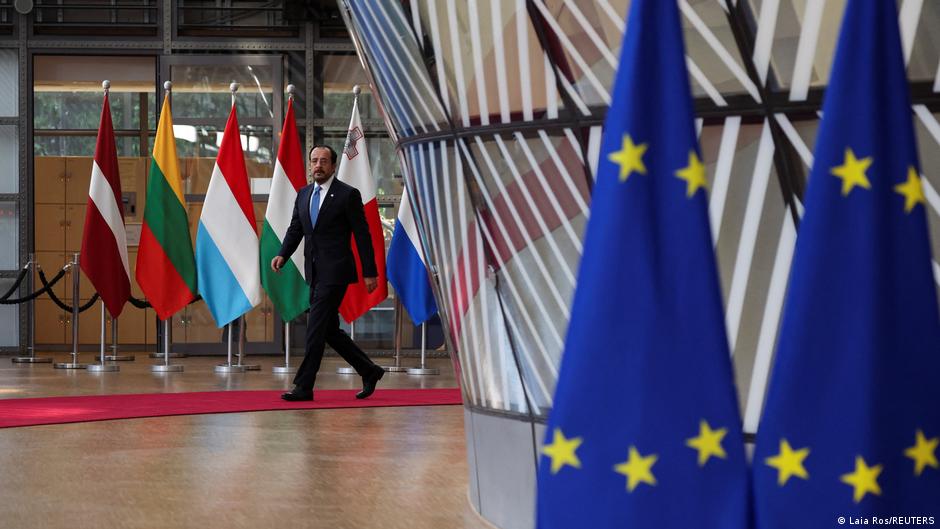
In a significant development at the EU summit held in Brussels on June 18, the European Union member states agreed to extend sanctions imposed on Russia for its ongoing war against Ukraine for a full year instead of the traditional six-month period. This marks a historic first in the EU's sanction policy, indicating a more sustained and strategic approach to exert pressure on Russia.
Strategic Implications of the Sanctions Extension
The extension of sanctions was successfully negotiated due to a notable change in the political landscape of Hungary. The previous Prime Minister, Viktor Orbán, who served from 1998 to 2002 and then from 2010 until 2026, had been a consistent veto player against prolonging sanctions beyond six months. However, the new Prime Minister, Péter Medgyessy, who assumed office in May, endorsed the extended duration, breaking the deadlock that had stalled prior agreements.
“The unanimous backing of the declaration condemning Russia’s war signals a new chapter in EU cohesion and commitment to countering aggression.”
All 27 EU countries adopted a declaration condemning Russia’s war on Ukraine during the same summit, marking the first unanimous consensus since December 2024. The declaration emphasized the EU’s resolve to intensify pressure on Russia by further weakening its military economy, compelling it to cease hostilities and engage in meaningful peace negotiations.
Among the strategic measures highlighted are efforts to curtail Russia’s revenue from energy exports, including targeting the so-called “shadow fleet” that circumvents sanctions. The European Union also called for the rapid implementation of its 21st sanctions package.
Anticipated Content and Challenges of the 21st Sanctions Package
Although details about the 21st package remain undisclosed, various media reports have suggested that it could involve banning entry into the EU for Russian military personnel involved in the Ukraine conflict. Additionally, sanctions may be applied against prominent figures such as Patriarch Kirill of the Russian Orthodox Church and Arkady Dvorkovich, president of the International Chess Federation (FIDE).
The forthcoming package is also expected to expand restrictions in critical sectors including energy, finance, trade, and notably, for the first time, fisheries. These measures reflect a comprehensive strategy aimed at increasing economic and political pressure on Russia from multiple fronts.
However, unanimity is not guaranteed going forward. Bulgaria’s Prime Minister, Rumen Radev, has already announced plans to veto the new sanctions package, citing concerns over potential negative impacts on Bulgaria’s economy and opposition to restrictions directed at Patriarch Kirill. Despite this, Radev affirmed his government’s support for Ukraine’s EU accession negotiations, indicating a nuanced approach balancing national interests with broader EU objectives.
Corporate and Boardroom Perspectives
From a business strategy standpoint, the extension of EU sanctions for a full year significantly impacts multinational corporations operating across Europe and Russia. Executive leadership teams must reassess risks related to compliance, supply chain disruptions, and exposure to Russian markets and partners. The potential broadening of sanctions into new sectors such as fisheries and energy necessitates enhanced due diligence and scenario planning at the board level.
Furthermore, the shifting political dynamics within EU member states, exemplified by Hungary’s leadership change and Bulgaria’s reservations, underscore the importance of agile strategic decision-making that anticipates both regulatory changes and geopolitical developments. Corporate boards will need to closely monitor these developments to align their risk management frameworks with evolving EU policies.
In summary, the EU’s move to extend sanctions against Russia for a full year, coupled with the upcoming 21st sanctions package, represents a deepening commitment to exert sustained pressure on Russia. It also signals to corporate leaders the necessity for vigilant governance and proactive strategy to navigate the increasingly complex geopolitical landscape.