EU Member States Debate Entry Ban on Russian Combatants Amid Sanctions Expansion
France and Italy express reservations about EU proposal to bar Russian fighters, fearing broad application against all Russian nationals.
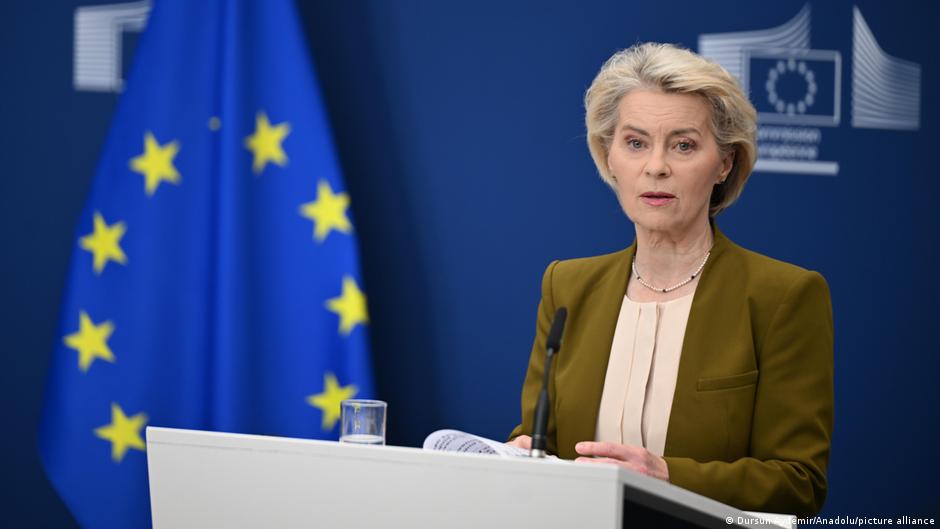
The European Union faces internal debate over a proposed entry ban targeting Russian nationals who have participated in military actions against Ukraine. While the European Commission includes this measure as part of its 21st sanctions package against Russia, key member states such as France and Italy have voiced concerns about potential unintended consequences.
Strategic and Administrative Challenges in Implementing the Ban
Presented by European Commission President Ursula von der Leyen on June 9, the 21st sanctions package aims to intensify pressure on Moscow amidst improving Ukrainian positions on the battlefield. The package notably includes an entry ban for individuals who have served in Russian armed forces since the full-scale invasion began.
However, according to reports, Paris and Rome fear that the current formulation of the ban could lead to the refusal of entry not only to combatants but potentially to all Russian citizens. The central challenge lies in the identification and vetting processes, as the decision of who qualifies as a combatant would be devolved to individual EU member states. This raises concerns over feasibility and fairness in enforcement across the bloc.
"Europe remains closed to all who participated in the invasion of Ukraine," declared von der Leyen, underscoring the EU's commitment to restricting access to those directly involved in the conflict.
Despite their reservations, France and Italy are not opposed to restricting entry for Russian military personnel per se. Their unease centers on the risk of the ban being interpreted or applied broadly, potentially affecting non-combatant Russian nationals and complicating diplomatic and economic relations.
Broader Implications for EU-Russia Relations and Sanctions Strategy
The entry ban is only one facet of the wider 21st sanctions package, which also targets energy, finance, trade, and, notably for the first time, fisheries. The European Commission emphasizes the ongoing effort to close loopholes in previous sanction rounds to maximize pressure on Russia’s war-sustaining revenue streams.
Another pressing challenge highlighted by observers is the enforcement of the oil price cap on Russian crude. High global oil prices complicate adherence and monitoring, posing risks to the efficacy of this economic instrument.
The EU is scheduled to discuss and seek unanimous approval for the 21st sanctions package at a meeting on June 26. The outcome will signal the bloc's collective stance on escalating measures to pressure Moscow while balancing internal member state concerns over implementation and potential fallout.
For corporate executives and policymakers, these developments underscore the complex interplay between geopolitical strategies and operational risks in Europe’s regulatory environment. Companies with interests in energy, finance, or trade sectors should closely monitor the evolving sanctions framework and its enforcement dynamics.