Ex-President Radev’s Progressive Bulgaria Coalition Leads in Parliamentary Elections with Over 40%
Rumen Radev’s left-leaning coalition takes a commanding lead amid political unrest and anti-corruption protests in Bulgaria.
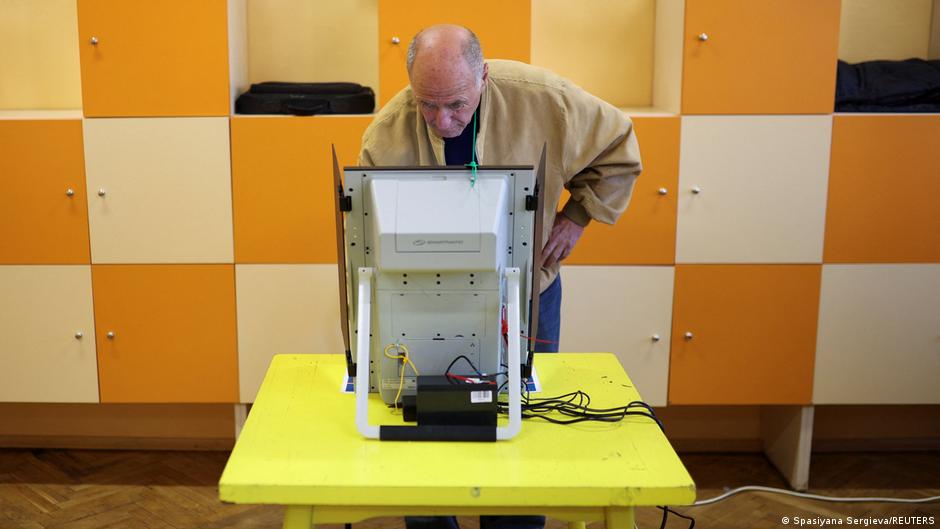
The left-centrist coalition "Progressive Bulgaria," led by former Bulgarian president Rumen Radev, is currently leading the country’s parliamentary elections with preliminary results showing support exceeding 40%. This development marks a significant shift in Bulgaria’s political landscape amid ongoing public demand for systemic change.
According to official data released after processing approximately one-third of the ballots, "Progressive Bulgaria" secured about 44.59% of the vote. This strong performance positions the coalition as the dominant political force in the newly elected parliament.
Election Context and Political Implications
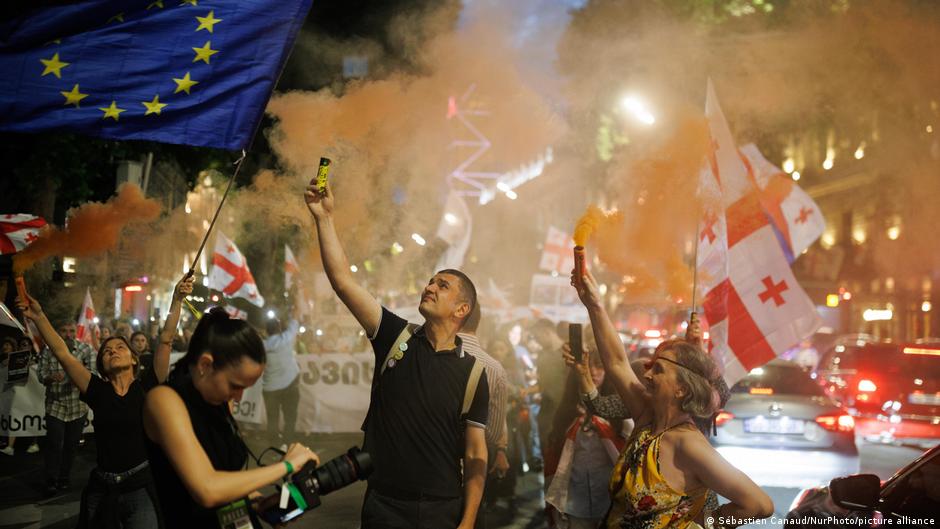
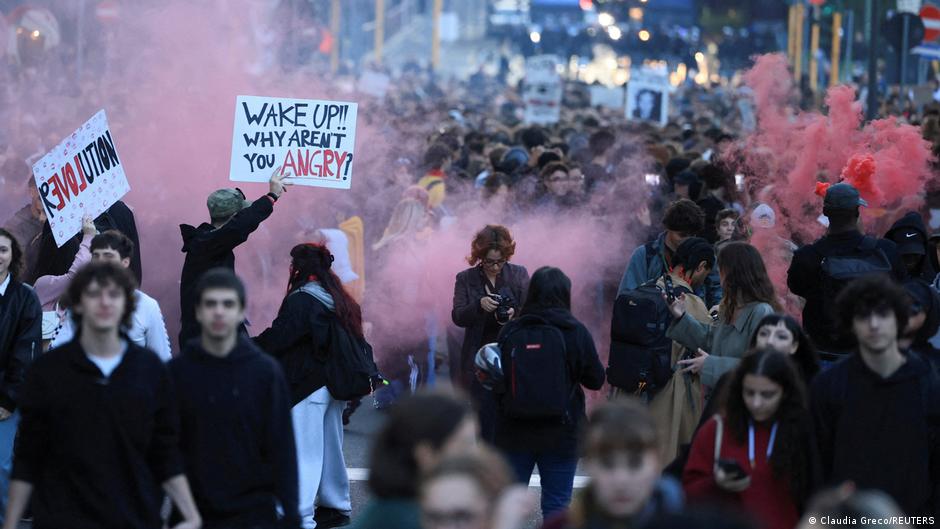
The elections come after a turbulent period in Bulgaria’s recent history. These snap parliamentary elections, the eighth in five years, were triggered by the resignation of the conservative government amid mass protests beginning in December 2025. Citizens demanded an independent judiciary and a resolute crackdown on pervasive corruption within the government.
The political scene is notably fragmented. The center-right alliance "Citizens for European Development of Bulgaria" (GERB), led by former Prime Minister Boyko Borisov, and the liberal alliance "We Continue the Change - Democratic Bulgaria" (PP-DB) are polling at around 12-13% each, according to exit polls. Several other parties are poised to cross the four-percent parliamentary threshold, reflecting a diverse political spectrum.
"The anti-corruption platform has united a broad coalition of voters—ranging from pro-Russian sympathizers to citizens vehemently opposed to corruption," political analysts note.
Voter turnout stood at approximately 43.4%, highlighting moderate public engagement amid political uncertainty.
Corporate and Strategic Impacts
The coalition led by Radev has centered its campaign on anti-corruption—a key concern for both citizens and business stakeholders. The dual appeal to pro-Russian constituents and anti-corruption advocates may produce complex policy outcomes, particularly affecting Bulgaria’s international alignments and economic strategies.
For American businesses and multinational corporations operating in Bulgaria or eyeing entry, the incoming government’s stance on judicial independence and corruption eradication will be critical. Enhanced transparency and rule of law can improve the investment climate, reduce operational risks, and influence regulatory reforms. Conversely, uncertainties related to Bulgaria’s military aid policies—given Radev’s advocacy for reduced support to Ukraine—may affect geopolitical stability and bilateral trade frameworks.
Moreover, the erosion of long-standing conservative dominance suggests possible reforms in public procurement and state-business relations, potentially reshaping competitive landscapes. Corporate boards and executive leadership teams should closely monitor the evolving political environment to recalibrate risk assessments and strategic planning.
In summary, the election results signal a possible turning point for Bulgaria’s governance and business environment, with anti-corruption measures at the forefront. Stakeholders should anticipate substantive changes in policy orientation and prepare for a new chapter in Bulgaria’s integration within European and global economic systems.