Fuel Prices in Crimea Surge Nearly 80% in One Week Amid Russian Supply Crisis
Gasoline prices in annexed Crimea have nearly doubled in early July, reflecting broader supply disruptions and export restrictions in Russia.
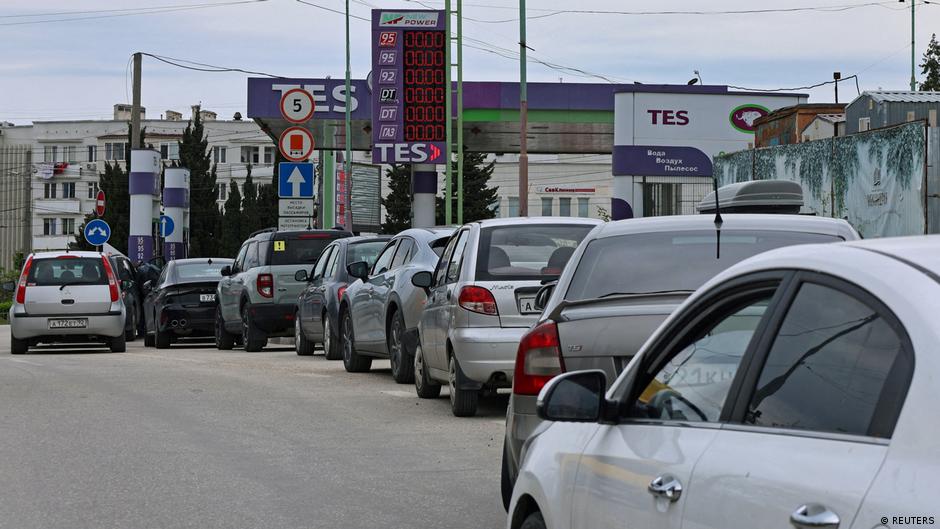
Fuel prices in the annexed Crimean peninsula have surged dramatically in the first week of July, with gasoline costs rising by an average of 78.4%, according to a recent statistical report. The price of AI-95 gasoline, the most popular grade among motorists, climbed by 92%, reaching 170.59 rubles per liter—almost double the price at the end of June.
Market Disruptions and Regional Price Disparities
The sharp increase in fuel prices in Crimea stands out in the latest data on fuel costs from across the Russian Federation and occupied Ukrainian territories. While the overall average price of gasoline in Russian-controlled regions rose by 2.1% during the first week of July, Crimea’s spike far exceeds the national trend. The Ivanovo region ranked second with a 19% increase over the same period.
Prices exceeding 100 rubles per liter are also reported in the Republic of Tuva for all gasoline grades. Other regions such as Kalmykia, Dagestan, Kabardino-Balkaria, Chechnya, and Kamchatka have seen AI-95 prices surpass 90 rubles per liter. The cost of AI-92 gasoline has exceeded 80 rubles in multiple areas including Magadan, Yakutia, and parts of the North Caucasus and Siberia.
"The price surge in Crimea illustrates the acute supply challenges facing Russia's fuel market amid ongoing geopolitical and logistical strains."
Government Export Controls and Supply Shortages
The price spike coincides with the Russian government's recent decision to ban diesel fuel exports from July 8 to 31. This measure aims to stabilize domestic fuel supplies during an ongoing crisis triggered by frequent attacks on Russian oil refineries and energy infrastructure, predominantly attributed to Ukrainian forces since late May.
Previously, export restrictions on gasoline and diesel applied only to some producers, but the current decree extends the ban to all manufacturers, including those producing marine fuel and gasoil. These moves reflect the severity of the domestic fuel shortage, which has forced long queues at gas stations and the temporary closure of many outlets in several regions.
To address the shortfall, Russia has also relaxed environmental standards by permitting the sale of Euro-3 grade fuel, characterized by a significantly higher sulfur content compared to the modern Euro-5 standard. This rollback marks a notable shift in regulatory policy aiming to maximize fuel availability despite environmental costs.
International Procurement Efforts Amid Domestic Constraints
In parallel with export controls and regulatory relaxations, Russia has expanded imports of petroleum products to mitigate fuel shortages. Indian shipments of nearly 60,000 tons of gasoline have already arrived in Moscow, and negotiations continue with Kazakhstan to secure additional supplies. Furthermore, Russia plans to procure Japanese aviation fuel through complex trading chains to address gaps in the domestic market.
Industry observers highlight that these strategic procurement and export restrictions underscore the challenges Russian energy executives face in balancing geopolitical pressures, infrastructure vulnerabilities, and market stability. The crisis in Crimea serves as a stark example of how executive and government actions directly impact fuel availability and pricing in contested regions, with implications for corporate strategy and supply chain management in the broader Russian energy sector.