Latvian Defense Minister Resigns Following Drone Incident Impacting National Airspace
Andris Spruds steps down amid political fallout after Ukrainian drones inadvertently enter Latvian airspace targeting Russia.
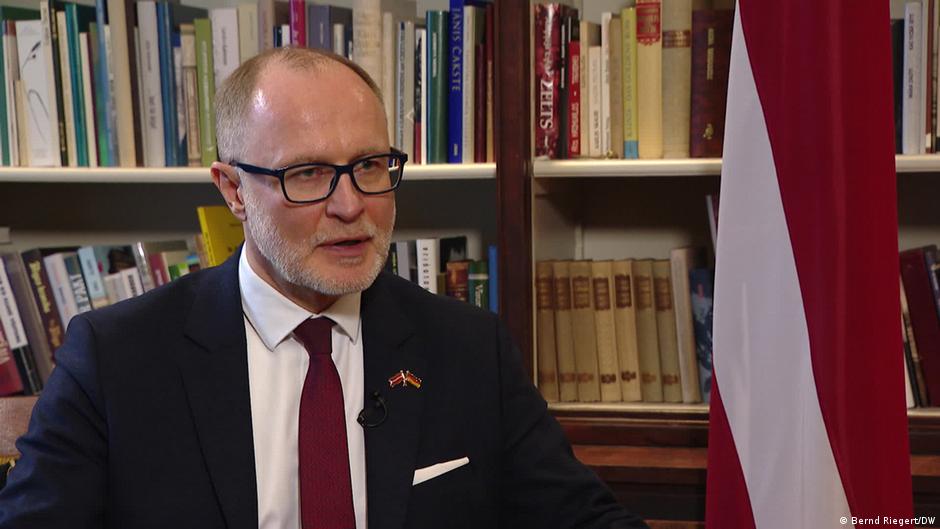
Latvia's Minister of Defense, Andris Spruds, tendered his resignation following an incident involving two drones that violated Latvian airspace. The drones, reportedly launched by Ukraine and aimed at targets within Russia, crossed into Latvia, sparking national security concerns and political repercussions.
Incident Details and Political Consequences
On the night of May 7, two unmanned aerial vehicles (UAVs) entered Latvia's airspace near the border with Russia. One of the drones crashed on the premises of a refinery in Rezekne, raising alarms about the security of critical infrastructure within Latvian territory.
Minister Spruds acknowledged that the drones were likely Ukrainian assets targeting Russian facilities, a stance consistent with Ukraine's ongoing military operations since the onset of the full-scale Russian invasion five years ago. He emphasized Ukraine's right to self-defense but simultaneously underscored the importance of protecting Latvian airspace and citizens from foreign unmanned systems.
"I have decided to step down to protect the Latvian military from becoming entangled in political campaigns," Spruds stated, emphasizing that unauthorized drones should not threaten the safety of people.
The resignation came after Latvian Prime Minister Evika Siliņa publicly expressed a loss of confidence in Spruds, calling for his removal. She criticized the defense leadership's inability to fulfill promises to maintain safe skies over Latvia, noting the drone incursions as evidence of systemic vulnerabilities.
Broader Regional Security Implications
The drone incident in Latvia reflects wider challenges faced by Baltic and neighboring countries amid the ongoing conflict in Eastern Europe. Ukrainian drones striking targets in Russia have previously breached the airspace of Finland and other Baltic states, highlighting the complexities of regional airspace security during wartime.
Estonia's Defense Minister, Hanno Pevkur, has called on Ukraine to implement more stringent controls over its drone operations to prevent further airspace violations. These developments underscore the balancing act faced by Baltic nations as they support Ukraine's defense efforts while safeguarding their own sovereignty and security.
The investigation into the drone flights continues, with Latvian authorities assessing the full scope of the incident and its implications for national defense posture and future operational protocols.
The resignation of a defense minister amid such a critical security incident reveals the high stakes and political sensitivities embedded in the management of national defense and foreign military operations that impact domestic airspace.