Mass Demonstrations in London Spotlight Migration and Middle East Issues Amid Political Tensions
Simultaneous marches for and against migration drew tens of thousands in London, highlighting challenges for UK political leadership and social cohesion.
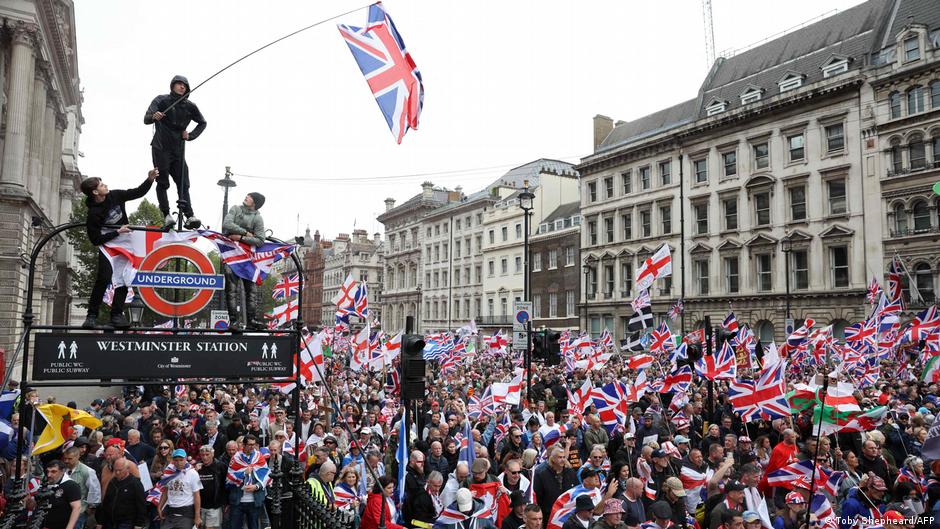
On May 16, London witnessed two major mass demonstrations that brought tens of thousands of participants to the streets simultaneously, each representing sharply contrasting political causes. The events underscored ongoing social and political challenges in the UK, particularly concerning migration policy, national identity, and international geopolitical conflicts.
Contrasting Marches Reflect Deep Political Divides
One march was organized by hardline anti-immigration activists, led by Stephen Yaxley-Lennon, known as Tommy Robinson, a figure notorious for his ultra-right views. The demonstration expressed dissatisfaction with the volume of asylum seekers and immigration, along with criticism of Prime Minister Keir Starmer’s government. Starmer himself preemptively condemned the organizers, accusing them of deliberately spreading hatred and fostering division within society.
The opposing demonstration was held to commemorate the Nakba, the Arabic term for the displacement of approximately 700,000 Palestinians during the 1948 establishment of the State of Israel. This march attracted supporters of Palestinian rights and criticism of key political figures such as former U.S. President Donald Trump and British right-wing politician Nigel Farage, whose party recently secured local electoral victories.
“Both demonstrations passed without significant incidents, a testament to careful police planning amid potentially volatile political tensions,” said law enforcement officials.
Authorities deployed around 4,000 police officers to manage three related events, resulting in 43 arrests but no major disturbances. The police emphasized their commitment to preventing antisemitic slogans and ensured the demonstrations remained largely peaceful despite some reported chants such as "Death to the IDF." The presence of thousands of football fans in the city for the English FA Cup final added additional complexity to public order management on the day.
Implications for Corporate and Political Leadership
The contrasting demonstrations reveal the persistent polarization within British society, posing significant considerations for corporate executives and boardrooms. Migration policy debates, social cohesion, and domestic political stability are increasingly influential factors for business risk assessments, talent acquisition, and consumer sentiment.
Companies with exposure to UK markets or international operations must monitor developments closely. The government's approach to immigration and social policy can have direct impacts on labor supply, regulatory environment, and reputational risk. Additionally, political rhetoric and street-level activism may affect investor confidence and operational continuity.
For political leaders, managing these divergent public sentiments while maintaining social order requires balancing law enforcement, community engagement, and legislative action. The public reactions to government policies reflected in such demonstrations can influence electoral outcomes and ongoing policy direction.
As these events illustrate, London remains a focal point where domestic political challenges intersect with global issues, demanding nuanced and strategic responses from business and political leadership alike.