Russia Quadruples Aviation Fuel Imports from Belarus Amid Domestic Production Challenges
Moscow increases jet fuel imports from Belarus due to declining domestic output and refinery disruptions, prompting strategic shifts in energy supply chains.
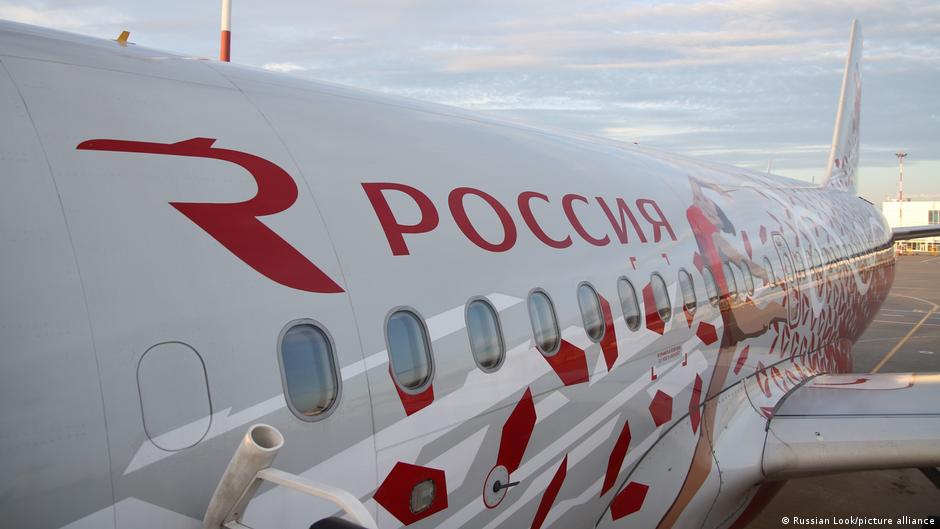
In a significant shift within Russia's energy supply strategy, the country imported 5,170 tonnes of aviation kerosene from Belarus in May 2026, nearly a fourfold increase compared to the previous year. This import surge continues into June, with 2,600 tonnes brought in during the first ten days, signaling growing dependence on Belarusian fuel amid domestic production challenges.
Domestic Production Declines and Strategic Implications
Industry analysts and market data attribute the spike in imports to a marked decline in Russia's domestic aviation fuel production. Official Russian figures on fuel production remain undisclosed; however, estimates from the Center for Price Indices (CPI) indicate that total aviation fuel output in 2025 stood at approximately 11.4 million tonnes.
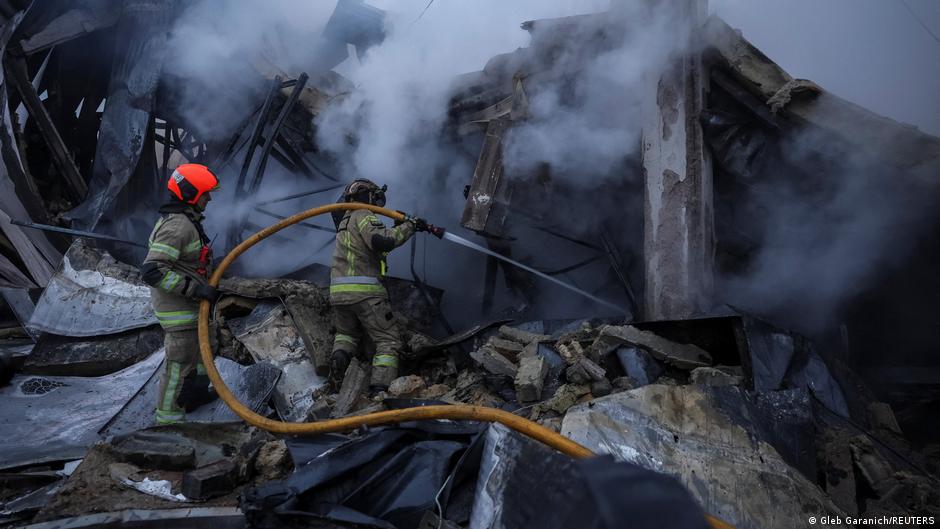
A critical blow to production capacity came from the Moscow Refinery in Kapotnya, which contributed about 1.4 million tonnes to the annual output before it halted operations in mid-June. The cessation followed an unmanned aerial vehicle (UAV) attack, with estimates suggesting the facility may remain offline until winter. This disruption has immediate boardroom and supply chain ramifications, as the refinery is a key domestic supplier in the aviation fuel market.
Discussions are underway regarding the importation of JET A-1 aviation fuel via maritime ports, with plans to blend these imports with Russian fuel varieties. This marks a strategic pivot for Russia, traditionally reliant on domestic fuel production and export markets, now compelled to adjust to internal supply constraints and geopolitical pressures.
“The increased imports are a direct response to declining domestic production volumes,” market experts note, emphasizing the operational challenges facing Russian refiners.
Export Ban and Domestic Market Constraints
On June 1, Russian authorities enacted an unprecedented ban on the export of aviation kerosene, effective until November 30. This move aims to prioritize domestic availability amid shrinking supplies. Concurrently, airports across Russia began issuing advisories about refueling restrictions, highlighting the operational impact on aviation services nationwide.
Fuel shortages are not limited to aviation kerosene. Over 30 Russian regions have implemented sales restrictions on automotive fuel, a situation exacerbated by ongoing Ukrainian aerial attacks targeting Russian logistics and refinery assets, notably affecting the annexed Crimea region and other territories.
According to Reuters, gasoline production in Russia is set to decline by 25% year-over-year by the end of June. In response, Russia has reportedly requested Kazakhstan to supply 50,000 tonnes of gasoline, underscoring the nation's increasing reliance on imports to mitigate domestic production shortfalls.
Boardroom and Corporate Strategy Considerations
For Russian energy companies and state regulators, these developments necessitate urgent strategic reassessment. The prolonged downtime of key refineries introduces supply risks that may affect aviation operations, logistics, and broader economic activities. Executives must balance the immediate need to secure alternative fuel sources with long-term investments in refinery security and capacity rebuilding.
Furthermore, the export ban and fuel rationing policies signify a shift in corporate governance priorities, highlighting enhanced state intervention in energy markets. This environment demands agile decision-making and robust risk management to navigate geopolitical pressures and operational disruptions effectively.