Russian Drone Attacks Escalate Threats to Kyiv and Key Ukrainian Regions
Multiple Russian UAV incursions target Kyiv and eastern Ukraine, challenging air defenses and impacting logistics corridors.
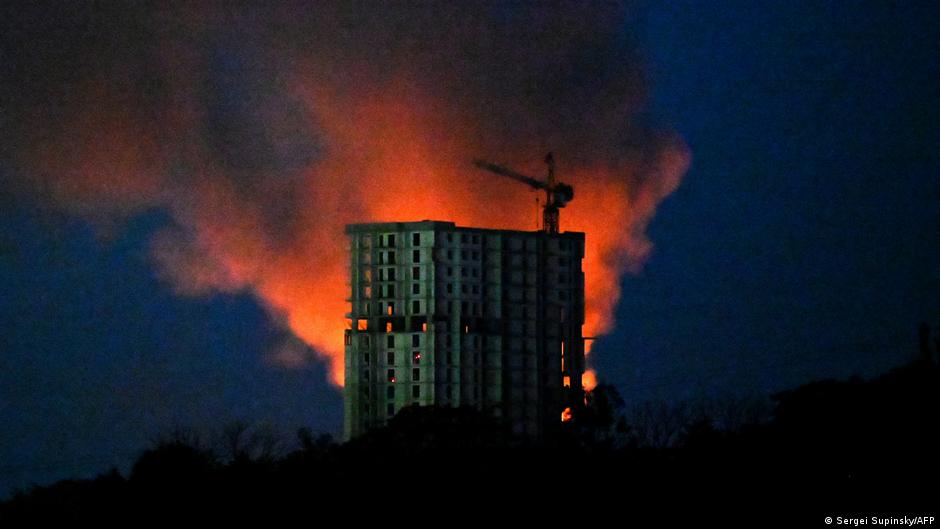
On the night of June 7, Ukrainian air defense systems recorded multiple incursions of Russian unmanned aerial vehicles (UAVs) targeting the Kyiv region as well as eastern Ukrainian territories. The Ukrainian Air Force reported at least two separate air raid alerts in Kyiv alone triggered by approaching Russian drones.
The detected UAVs were observed flying from Chernihiv region towards Brovary in Kyiv Oblast, alongside other drones advancing towards Kyiv from the east. These aerial threats highlight ongoing Russian efforts to challenge Ukrainian airspace security despite increasing countermeasures.
Widening Fronts and Tactical Implications
The threat extended beyond Kyiv, with air raid alerts active at 5:00 a.m. local time across Chernihiv, Sumy, Kharkiv, and Zaporizhzhia oblasts. Ukrainian air defenses also intercepted tactical guided aerial bombs deployed by Russian forces in Donetsk region, indicating a multi-directional approach to pressure Ukrainian defenses.
"The importance of strikes on logistics is understood not only by us," noted Serhiy Beskrestnov, a defense advisor and radiotechnical expert, underscoring Moscow's strategic targeting of transport routes between Kharkiv and Sumy.
Beskrestnov identified the area near Bohodukhiv, approximately 20 kilometers from the border, as a focal point of these attacks designed to disrupt transport and supply lines critical to Ukrainian operations. This shift towards infrastructure targeting complicates the Ukrainian military’s ability to maintain operational flexibility and sustain frontline forces.
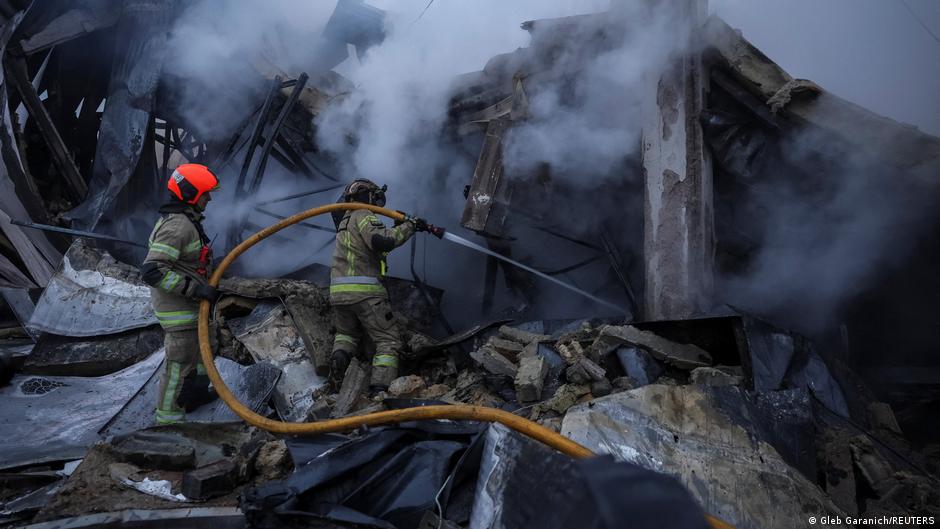
Russian forces launched a barrage of 272 strike drones overnight, including Shahed, Gerbera, and Italmas UAVs, alongside loitering munitions like Bandera and decoy drones termed Parodiya. Ukrainian air defenses successfully neutralized 249 of these drones by morning across northern, southern, and eastern sectors. However, 19 strike drones impacted 11 locations, with debris found in 13 additional sites, indicating a significant penetration of Ukraine’s integrated air defense systems.
Geopolitical Developments Amid Military Pressures
Amid intensifying drone attacks and missile threats, high-level diplomatic engagements are underway. On June 7, German Chancellor Friedrich Merz, French President Emmanuel Macron, and UK Prime Minister Keir Starmer planned a summit in London with Ukrainian President Volodymyr Zelensky. The talks aim to revitalize efforts to end the Russian-Ukrainian conflict, exploring prospects for renewed negotiations with Moscow.
These diplomatic initiatives occur as Russian forces reportedly consider using ballistic weapons launched from Bryansk region, further escalating the threat spectrum facing Ukraine. The combined pressure of kinetic attacks on logistics, infrastructure, and civilian areas alongside diplomatic maneuvering underscores the multifaceted nature of the conflict.
For corporate and strategic planners monitoring the conflict, the evolving Russian targeting strategy reveals an emphasis on disrupting supply chains and key transport corridors. Such tactics can have downstream effects on regional economic stability, energy supplies, and international trade routes. The resilience of Ukrainian air defenses and the effectiveness of allied diplomatic pressure remain key variables in forecasting the conflict’s trajectory and its broader implications for European security and business continuity.