Russian Drone Attacks in Odessa and Missile Strikes in Dnipro Impact Civilian Infrastructure
Russian military drone attacks in Odessa damage residential buildings and injure civilians, while missile strikes in Dnipro cause fires and multiple casualties.
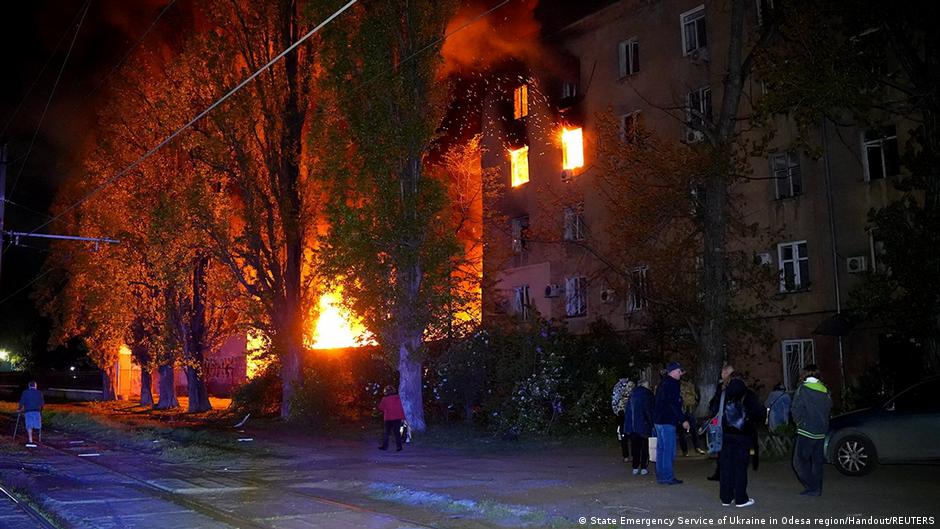
In a recent escalation of hostilities, Russian military forces launched drone attacks on the city of Odessa on the night of May 18, resulting in damage to residential buildings and injuries to two civilians. The attacks coincide with missile strikes on the city of Dnipro, where multiple fires broke out and nine people were wounded, according to regional authorities.
Impact on Civilian Infrastructure and Response Efforts
Sergey Lysak, head of the Odessa city military administration, reported that a drone attack damaged residential properties, including a lyceum and a kindergarten. Among the injured civilians were an 11-year-old boy and a 59-year-old man. Emergency operational headquarters have been established at the sites to coordinate assistance, with emergency and municipal services actively engaged in mitigating the aftermath.
Simultaneously, in the city of Dnipro, Russian forces fired missiles that struck a residential area, igniting several fires. Alexander Ganja, the head of the Dnipropetrovsk regional military administration, stated that one of the blazes occurred on the roof of a 24-story building. Furthermore, some residents remain trapped inside one of the affected buildings.
"Four individuals have been hospitalized with injuries of moderate severity, while five others, including a 10-year-old boy, are receiving outpatient treatment," Ganja confirmed.
The missile strike on a densely populated neighborhood underscores the elevated risks to civilian life and property. Local authorities continue to mobilize resources to provide medical care and support to affected families.
Strategic and Corporate Implications
These recent attacks raise significant concerns for business continuity and corporate operations in the affected regions. The damage to infrastructure, including educational facilities and residential buildings, not only disrupts daily life but also poses challenges for local companies and investors managing assets in Odessa and Dnipro. Executives and board members of firms with regional exposure must weigh the escalating security risks against operational objectives and stakeholder commitments.
Emergency response coordination highlights the critical role of local governance and infrastructure resilience in conflict zones. For multinational corporations and local enterprises alike, ensuring employee safety and maintaining supply chains will require adaptive strategies and close collaboration with authorities.
As the situation evolves, decision-makers must monitor the security landscape closely, balancing humanitarian considerations with operational imperatives in a volatile environment.