Russian Fuel Retail Restrictions Intensify Amidst Impact of Drone Strikes on Oil Infrastructure
Widespread limitations on gasoline sales affect over 50 Russian regions following damage to refineries and fuel depots amid escalating Ukrainian drone attacks.
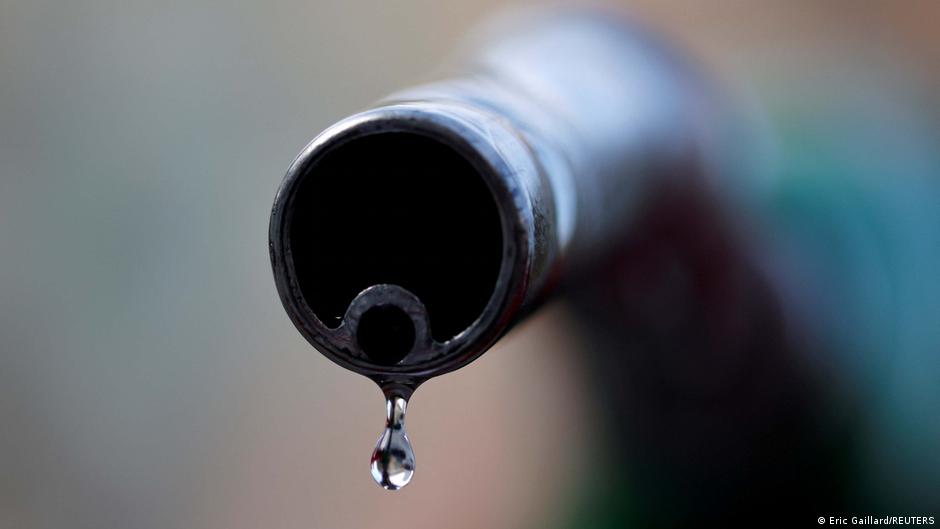
Russia is imposing increasingly stringent restrictions on retail fuel sales as the country grapples with a deepening fuel crisis caused by a series of Ukrainian drone strikes targeting key oil refineries and fuel storage facilities. These attacks have significantly disrupted the operations of the Russian oil sector, leading to shortages and rationing measures across more than fifty regions.
Operational Constraints and Regional Sales Caps
Since June 23, 2023, Lukoil fuel stations in Voronezh Oblast have implemented limits on fuel purchases, capping gasoline at 30 liters per fill-up within the city and 60 liters along highways. Diesel fuel limits stand at 60 liters in urban areas and 200 liters on highways. These measures are designed to curb panic buying and manage dwindling supplies.
Other regional governments have followed suit. In Omsk Oblast, Governor Vitaliy Khotsenko announced restrictions allowing a maximum of 40 liters of gasoline and 80 liters of diesel per transaction. Meanwhile, Igor Kobzev, head of Irkutsk Oblast, disclosed that some gas stations have already restricted or ceased fuel sales entirely. He acknowledged that authorities are forced to operate on a "manual mode" to navigate the crisis effectively.
Similar rationing policies have been introduced in Saratov Oblast, where Governor Roman Busargin limited gasoline sales to 30 liters per vehicle from June 23 to June 30. Additional regional restrictions have been reported in Amur, Tambov, Lipetsk, Tula, Tver, and Vladimir oblasts.
"Authorities are compelled to switch to manual management modes due to the persistent fuel supply disruptions," stated Irkutsk’s regional head, reflecting the severity of the situation.
Strategic and Corporate Implications
Industry data indicates that Russian oil output hit a one-year low in May 2023, correlating with the uptick in drone attacks that paralyzed refinery and fuel depot operations, particularly in central parts of Russia. According to intelligence from Reuters, nearly all major oil-processing facilities in the region were forced to curtail or halt production by late May, severely constraining supply chains.
The widespread fuel rationing highlights the vulnerabilities faced by Russian energy companies and underscores the broader operational risks posed by targeted infrastructure disruptions. As companies like Lukoil navigate these challenging conditions, executive leadership must balance immediate crisis management with long-term strategic adjustments to safeguard supply continuity.
The situation also places Russian regional authorities in the position of mediating between consumer demand and limited fuel availability, requiring real-time oversight and market intervention to prevent speculative behaviors and social unrest.
Looking ahead, corporate boards and executives in the Russian oil and energy sectors will need to assess the resilience of their infrastructure and supply chains, potentially accelerating investments in security measures and alternative logistics solutions. The evolving conflict environment adds a layer of complexity to decision-making, pressing companies to adapt swiftly to maintain operational viability.
This unfolding crisis serves as a case study in how geopolitical conflict can directly impact energy markets, compelling companies and regional administrations to implement adaptive strategies in the face of supply shocks.