Russia's July Oil and Gas Revenues May Surge 60% Year-on-Year Amid Rising Prices
Higher global oil prices could boost Russia's July energy revenues by 60% compared to last year, despite ongoing sanctions and fiscal challenges.
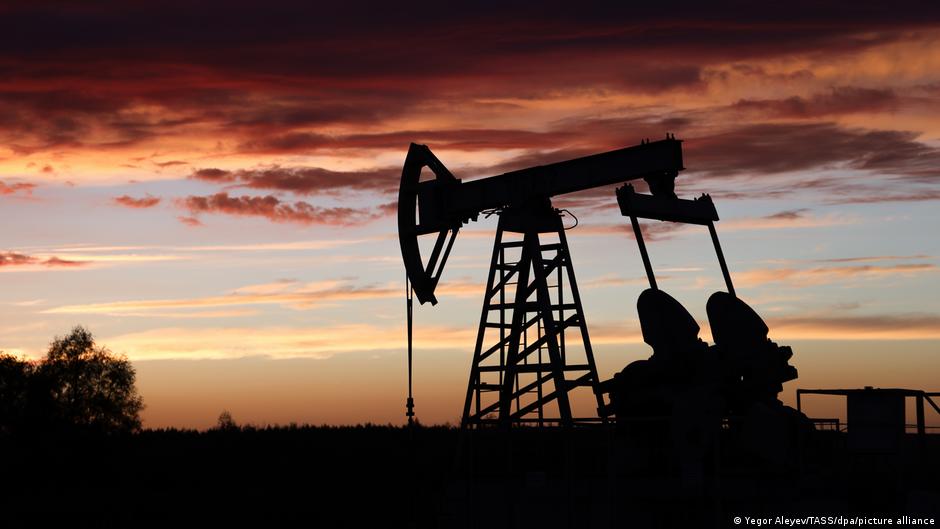
Russia's revenues from oil and gas sales in July 2026 are projected to be approximately 60% higher than in July 2025, according to calculations by Reuters. This anticipated surge is largely driven by an increase in global oil prices, which have lifted the value of Russian energy exports despite ongoing geopolitical and economic pressures.
Market Dynamics and Fiscal Impact
As the world's third-largest oil producer and exporter after the United States and Saudi Arabia, Russia’s budget heavily depends on energy revenues, which account for roughly 20% of total federal budget receipts. The recent rise in oil prices has directly contributed to higher income from oil and gas exports. Reuters’ analysis also highlights a noteworthy increase in corporate profit tax revenues from oil extraction activities in the second quarter of 2026, further bolstering government coffers.
However, a broader year-to-date assessment tells a different story. From January through July 2026, Russia’s oil and gas revenues are likely to be about 11% lower than the same period last year, totaling approximately 4.9 trillion rubles. The Russian Ministry of Finance is scheduled to release official oil and gas revenue figures for July on August 5.
Last year, Russia’s federal budget experienced a 24% decline in oil and gas revenues, dropping to 8.48 trillion rubles — the lowest level since 2020. This downturn reflected a combination of weaker prices and export challenges amid ongoing sanctions.
Sanctions and Strategic Considerations
On July 23, the European Union implemented its 21st package of sanctions against Russia. These measures are explicitly designed to restrict Moscow’s oil revenue streams, which the EU believes finance Russia’s military operations in Ukraine. The sanctions include further limitations on Russian oil exports to the EU, aiming to curtail the Kremlin's access to critical funds.
"The new EU sanctions target the flow of funds from oil sales that support Russia's military efforts," the EU stated in its sanction rationale.
Despite these sanctions, the resilience of Russia's oil and gas sector revenues in July underscores the complexity facing corporate strategists and policymakers. While prices have buoyed short-term income, the persistence of sanctions and a challenging export environment may continue to constrain longer-term revenue growth.
For business executives and board members in energy and finance sectors, these developments call for a nuanced approach to risk assessment and strategic planning. The volatility in revenues highlights the importance of diversified portfolios and contingency strategies to address geopolitical risks impacting energy markets.