Russia’s Oil Product Output Drops Nearly 22% in June Amid Operational Challenges
Russian oil refining production index declined sharply in June, signaling strategic pressures within the energy sector.
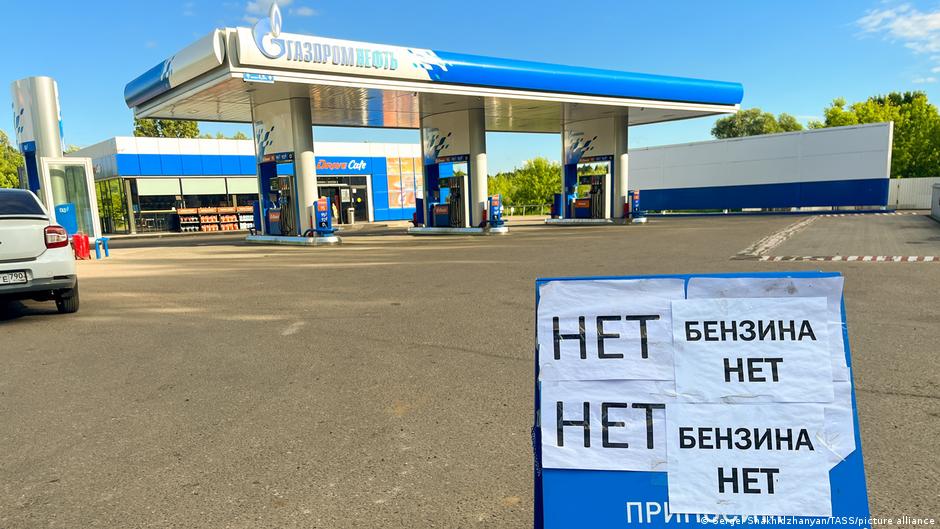
According to recent Rosstat data, the production index for oil products in Russia plunged by 21.8% year-over-year in June 2026, marking a significant contraction in the country’s energy manufacturing output. This follows a 13.5% decline reported for May, underscoring mounting operational challenges in the sector.
Operational Impact and Market Dynamics
The production index, a component of Russia’s broader industrial output measures, is calculated based on the cost of a basket of representative products using constant prices from the 2023 baseline year. Notably, the Russian government has chosen not to release data on the physical volumes of oil products produced, which limits direct insight into the scale of the decline in tangible terms.
Despite the steep drop in output, fuel prices in Russia have exhibited a moderated growth trajectory recently. As of the week ending July 20, gasoline prices rose by 1.7%, a slowdown compared to a 2.3% increase the previous week. Similarly, diesel prices increased by 1.9%, down from a 3.2% rise the week prior.
“The sizeable reduction in oil product production reflects ongoing disruptions to refinery operations and supply chains, influenced heavily by external conflict and security factors.”
The summer of 2026 has been marked by intensified attacks from Ukrainian forces targeting Russian oil storage facilities and refineries. Reuters estimates that approximately 25% of Russia’s refining capacity has been partially or fully incapacitated due to these drone strikes in retaliation to Russian military operations in Ukraine. This has led to fuel shortages and prompted regional restrictions on fuel sales within Russia.
For corporate executives and strategic planners within the energy sector, these developments highlight a crisis point where operational resilience and supply chain security are under significant strain. The persistent impact of geopolitical conflict has introduced volatility that directly affects production capabilities and market stability.
Energy firms operating in or relying on Russian oil products must reassess risk exposure, consider alternative sourcing strategies, and prepare for extended periods of constrained supply. The government’s partial market stabilization claims contrast with the tangible production and logistical setbacks reported, suggesting a complex environment for decision-makers navigating this landscape.
As the situation evolves, corporate boards and executive teams should closely monitor developments, evaluate contingency plans, and engage with policymakers to mitigate the risks posed by ongoing disruptions to Russia’s oil product sector.