Trump Reports No Optimism in Talks with Xi on Imprisoned Hong Kong Media Mogul Jimmy Lai
US President Donald Trump reveals challenging discussions with Chinese leader Xi Jinping over Jimmy Lai's 20-year prison sentence.
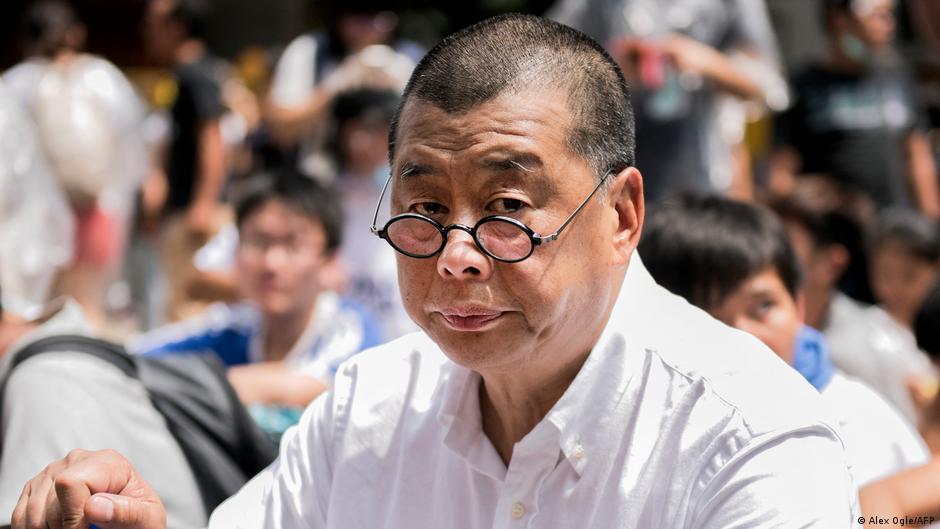
Former US President Donald Trump disclosed after high-level discussions in Beijing that Chinese authorities have no plans to release Hong Kong media magnate Jimmy Lai, who was sentenced to 20 years in prison. Lai, a prominent supporter of the 2019 pro-democracy protests in Hong Kong, was convicted on charges of "inciting rebellion" and "collusion with foreign forces."
Diplomatic Engagements Highlight Complex Boardroom and Strategic Implications
Addressing journalists aboard Air Force One en route from China, Trump described his exchange with Chinese President Xi Jinping on Lai's fate as "not very positive" and expressed a lack of optimism. "I really brought up the issue," Trump said. "But for him, it is a more complicated case. He said that the situation with Jimmy Lai is not an easy matter for him."
In a subsequent interview with Fox News, Trump reiterated, "I raised the topic of Jimmy Lai. I'll say this: the reaction was not the most positive. I did not feel optimistic."
Jimmy Lai, aged 78, is a central figure in discussions on Hong Kong's political autonomy and freedom of the press. His media outlets openly backed the 2019 protests advocating for democratic reforms. Following his arrest, Lai spent nearly 2,000 days in solitary confinement. The prolonged legal process culminated in a harsh sentence reflecting Beijing's stern stance toward dissent.
The court's sentencing described Lai as harboring "fierce hatred" against the Chinese Communist Party, yet Lai himself has consistently denied the charges brought against him.
"This award honors his invaluable dedication to democratic values," said Barbara Massing, CEO of Deutsche Welle, when Lai received the 2026 DW Freedom of Speech Award.
In April 2026, Lai was honored with the DW Freedom of Speech Award, recognizing his steadfast commitment to free expression amid political adversity. Barbara Massing, CEO of the German international broadcaster, highlighted the symbolic importance of this recognition in the face of ongoing political repression.
From a corporate strategy viewpoint, Lai's imprisonment underscores the risks media executives face when engaging in politically sensitive environments, especially where state actors exert considerable influence over information dissemination and civil liberties. For multinational corporations and international investors, the situation signals the growing complexity of operating in regions where governance, legal frameworks, and state interests intersect unpredictably.
Moreover, Trump's public acknowledgment of these diplomatic negotiations reflects the intertwined nature of geopolitical considerations and corporate governance, as executive decisions in government can directly impact cross-border business operations and media freedom.