US Conducts Ninth Consecutive Night of Strikes in Iran Amid Rising Middle East Tensions
Sustained US military actions against Iran target its strategic capabilities, prompting Iranian retaliation on American bases in Kuwait and Bahrain.
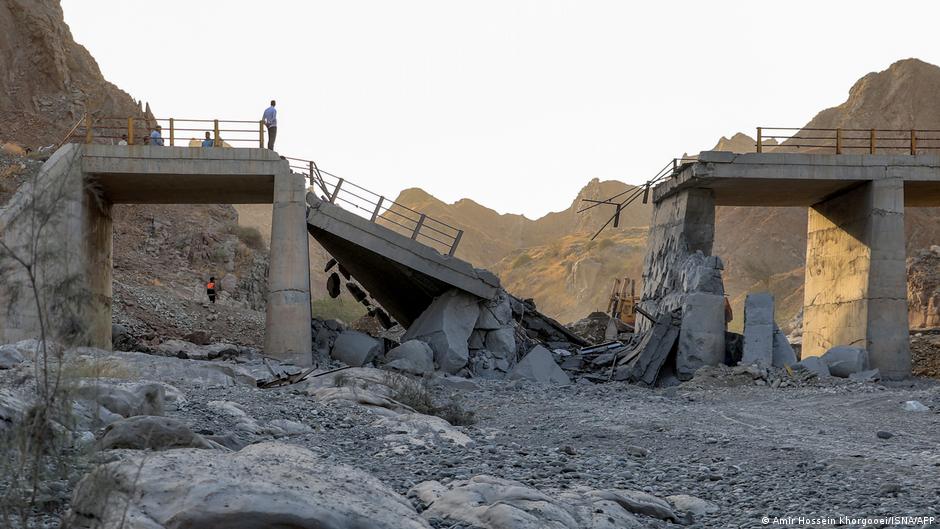
The United States military has launched strikes against targets in Iran for the ninth consecutive night, marking a significant escalation in hostilities following the breakdown of a temporary ceasefire between Tehran and Washington.
According to a statement released by the US Central Command (CENTCOM), the latest operations commenced in the early hours of July 20, local Iranian time. The stated objective of these strikes is to further degrade Iran's military potential, which Washington alleges is being leveraged for attacks on commercial vessels and civilian mariners navigating the strategically critical Strait of Hormuz.
Implications for Regional Stability and Corporate Interests
In response to the ongoing US military campaign, Iran has launched counterattacks targeting American military installations in Kuwait and Bahrain. The Islamic Revolutionary Guard Corps (IRGC) also reported intercepting two oil tankers near the Strait of Hormuz, which it accused of unauthorized navigation attempts. Reports indicate the vessels suffered explosions during the incident.
"Tonight we delivered a very serious strike in honor of our fallen soldiers," stated US President Donald Trump upon his return to Washington from the FIFA World Cup final, framing the attacks as retaliation for American military casualties.
CENTCOM has confirmed the deaths of three US service members amid this escalation, bringing total American military fatalities in the conflict to 17. This ongoing conflict poses significant risks not only to geopolitical stability but also to the global energy supply chain, given the region's role in oil and liquefied natural gas (LNG) transport.
Maritime traffic through the Strait of Hormuz has noticeably diminished amid the intensifying confrontations. London Stock Exchange data shows only four vessels passed through the strait on July 19, down from eight on July 18. Despite disruptions, S&P Global reports that LNG production in Qatar and the United Arab Emirates remains comparatively stable, resulting in an accumulation of LNG cargoes on tankers waiting offshore in the Persian Gulf. Estimates place the volume of LNG stored on waiting vessels in the region at nearly 1.9 million tons.
For American businesses and international corporations with exposure to energy markets, these developments underline the heightened operational and strategic risks in the Middle East. Executive leadership and boardrooms must closely monitor the conflict's trajectory due to potential impacts on supply chains, commodity pricing, and geopolitical risk profiles.