US Considers Charging Transit Fees for Strait of Hormuz Passage Amid Iran Deal Uncertainty
President Trump signals potential toll fees in the Strait of Hormuz if negotiations with Iran fail, emphasizing US strategic role in Middle East security.
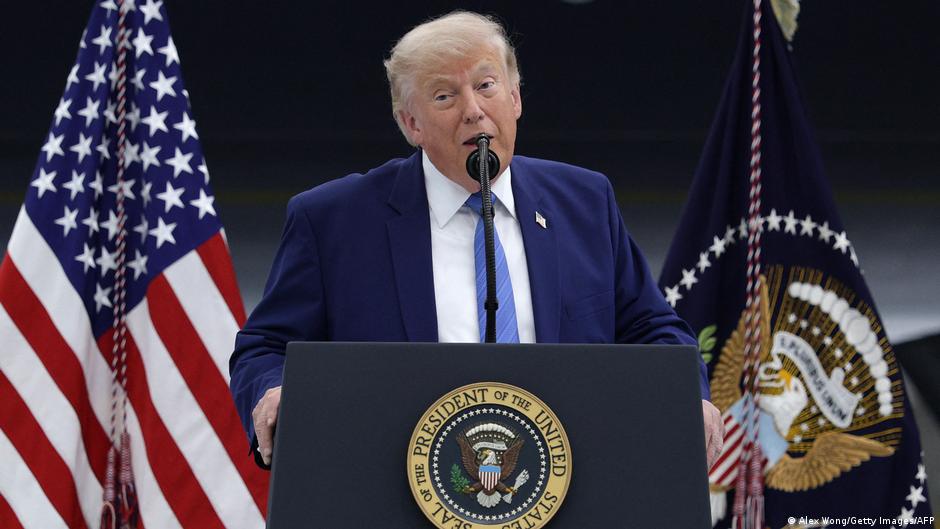
The United States is contemplating imposing transit fees for ships passing through the Strait of Hormuz should diplomatic efforts with Iran falter. This potential move, announced by President Donald Trump on the social platform Truth Social, underscores the evolving strategic and economic dimensions of US policy in the Middle East.
Strategic and Economic Implications of the Proposed Toll
President Trump framed the proposed toll as a form of compensation for the "services" the US provides as the "guardian angel" of Middle Eastern countries. The toll would apply if the current fragile agreement with Iran collapses, thereby reflecting an executive decision that ties national security posture to economic considerations.
Importantly, Trump clarified that during the current 60-day truce period with Iran, no fees would be collected. This moratorium could extend if the ceasefire agreement remains intact beyond the initial window, signaling a conditional approach based on compliance with diplomatic commitments.
"The fee will serve as a reward for the services rendered by the United States, the guardian angel of the Middle East," President Trump stated.
This linkage between military and diplomatic strategy and economic leverage illustrates a complex corporate-level decision-making process that influences regional stability and international trade routes.
Background: Security and Commerce at the Strait
On June 18, the US Central Command announced the lifting of a blockade in the Strait of Hormuz, a critical chokepoint for global oil shipments. Vice President James David Vance reported a record volume of 12.5 million barrels of oil passing through the strait in a single day—the highest since the onset of hostilities between the US, Israel, and Iran on February 28.
Furthermore, Vance highlighted a notable cessation in Iranian attacks on shipping traffic for two consecutive nights, a positive sign amid rising tensions.
However, the situation remains fluid. On June 20, Iran declared a new restriction on ship passage through the strait as retaliation for Israeli military strikes in southern Lebanon. Tehran insists these actions violate the June 17 memorandum between Iran and the US, which mandated a cessation of hostilities across multiple fronts, including Lebanon.
Iranian military command warned that continued aggression would prompt further measures to compel adherence to the ceasefire, emphasizing the fragile nature of the current arrangement.
Operational Impact and Boardroom Considerations
Within the brief truce period, an estimated 60 to 80 vessels transited the Strait of Hormuz, approaching pre-conflict daily averages of around 100 ships. This flow is critical not only for global energy markets but also for supply chains and corporate stakeholders dependent on Middle Eastern oil.
The prospect of US-imposed transit fees introduces a new variable into the cost structures of international shipping firms and energy companies, potentially prompting strategic reassessments at the executive and board levels. Corporations will need to monitor geopolitical developments closely, adjusting risk management strategies to mitigate exposure to regulatory and security disruptions in this vital maritime corridor.