US Extends Operational License for Serbian Oil Company NIS Amid Gazprom Stake Sale Delays
The US Treasury grants a 30-day extension allowing NIS to operate under sanctions while MOL pursues acquisition of Gazprom’s stake.
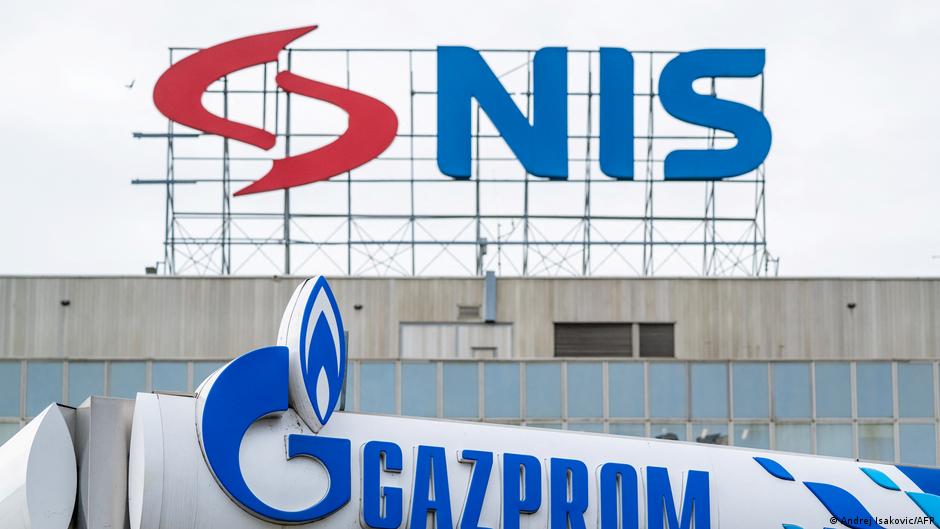
In a notable development affecting European energy markets and corporate strategy in the oil sector, the United States has extended by another 30 days the temporary operational license for Serbia's Naftna Industrija Srbije (NIS), a company partially owned by Russia's Gazprom. This extension, granted by the US Department of Treasury's Office of Foreign Assets Control (OFAC), permits NIS to continue operations despite ongoing sanctions tied to its Russian ownership.
Prolonged Sanctions and the Gazprom Divestment Deadline
NIS, Serbia's largest oil company, came under US sanctions in January 2025 due to the ownership structure involving Gazprom and its affiliate Gazprom Neft, which together hold approximately 56.2% of the company's shares. These sanctions demand the divestment of Gazprom’s stake, triggering a complex transaction process that has yet to reach completion.
The initial deadline set by OFAC for the sale of Gazprom’s shares was May 22, 2026, following an agreement on January 19 between MOL Group, Hungary’s leading oil and gas company, and the Russian shareholders to acquire the stakes. However, to date, the US Treasury has issued multiple extensions, with the latest license extension announced on June 30, 2026.
Dubravka Đedović-Hansen, Serbia's Minister of Energy, confirmed the continuation of NIS operations under the extended license, emphasizing that the oil refinery in Pančevo remains active, processing crude oil despite the challenging environment.
"The Pančevo refinery continues to process crude oil, ensuring Serbia’s energy supply remains stable during this transitional period," said Minister Đedović-Hansen.
Strategic Implications for Regional Energy Security and Corporate Governance
The sanctions and ongoing transfer of ownership have had immediate operational consequences, including the halt of crude oil deliveries via the Adriatic pipeline (JANAF) through Croatia and temporary suspension of production at the Pančevo refinery. NIS is critical to Serbia’s energy infrastructure, providing 80% of the country’s gasoline and diesel fuel demand, and over 90% of its jet fuel and heavy fuel oil needs.
From a corporate governance perspective, the forced divestment highlights the geopolitical risks multinational energy firms face when operating in regions impacted by sanctions. MOL's acquisition of Gazprom's stakes represents a strategic move to consolidate its position in Southeast Europe, while complying with international regulatory demands.
The Serbian government retains a significant ownership share of 29.9%, positioning it as a key stakeholder during the transition. Gazprom Neft holds 44.9%, while its investment division owns an additional 11.3%. The complexity of this ownership structure has extended the divestment timeline, necessitating ongoing regulatory accommodations such as the temporary operational licenses.
As the deadline approaches, industry watchers and investors will closely monitor the finalization of the transaction and the subsequent impact on energy supply stability, regional partnerships, and market dynamics in the Southeast European oil sector.