US Imposes New Sanctions on Cuban State Firms Controlling 40% of GDP Amid Heightened Tensions
Washington targets five key Cuban state-owned companies, intensifying economic pressure on Havana and raising stakes in bilateral relations.
The White House has escalated its sanctions campaign against Cuba by imposing new restrictions on five major state-owned enterprises that collectively account for approximately 40% of the island nation’s GDP. These measures mark a significant intensification in economic pressure aimed at Cuba's ruling regime.
Strategic Targeting of GAESA-Linked Entities
The newly sanctioned entities include three companies affiliated with the Grupo de Administración Empresarial S.A. (GAESA), a business conglomerate tightly controlled by Cuba's Revolutionary Armed Forces. GAESA is widely reported to manage a vast portfolio of the Cuban economy, with estimates valuing its liquid assets at around $14.5 billion as of 2024.
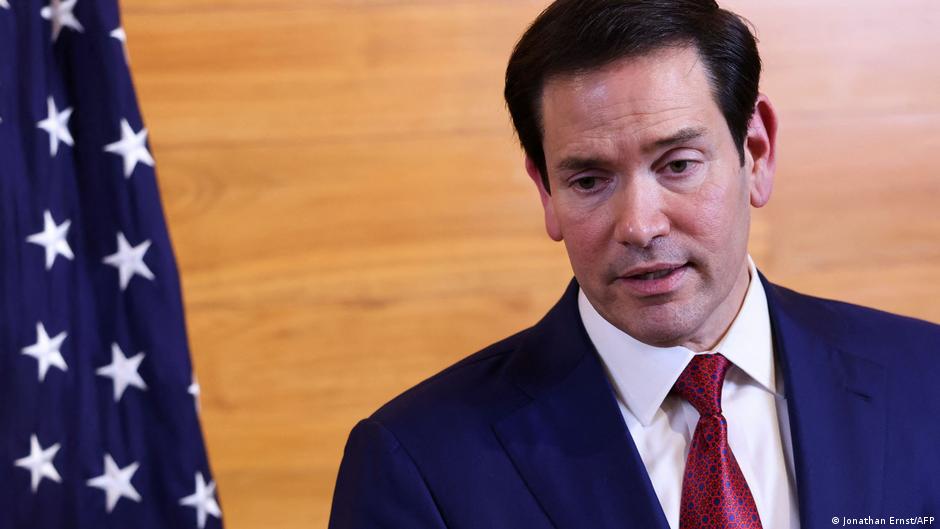
US Secretary of State Marco Rubio emphasized that the sanctions specifically target GAESA’s operations linked to export-import activities, foreign investment facilitation, financial transactions, and raw steel production. Rubio also noted that the Cuban government allegedly uses GAESA's resources to enrich itself and fund repressive measures, espionage, and anti-American actions.
“The Cuban regime exploits GAESA to enrich itself and finance repression, espionage, and anti-American activities,” stated Secretary Rubio.
Additionally, sanctions were imposed against the spouse of Alejandro Castro, head of Cuba's National Security Council and son of former leader Raúl Castro, further signaling a direct challenge to the inner circle of Cuba’s political elite.
Diplomatic Fallout and Legal Developments
Cuba’s Foreign Minister Bruno Rodríguez denounced the new sanctions as "relentless aggression and collective punishment," accusing Secretary Rubio, himself a Cuban-American, of dishonesty. The move comes amid already strained diplomatic relations between the two countries.
Compounding tensions, the Cuban Supreme Court recently upheld a decision allowing American companies to seek legal compensation for properties nationalized by the Cuban government decades ago. This ruling particularly benefits U.S. energy giant ExxonMobil, which stands to claim damages for the expropriation of oil refineries, terminals, and numerous gas stations seized in the 1960s.
The Wall Street Journal reported that ExxonMobil’s potential compensation claim could reach up to one billion dollars. This legal development may strengthen the position of the Trump administration, which has pursued a firm stance against the Cuban government.
Implications for Corporate Strategy and US-Cuba Relations
The latest sanctions carry significant implications for corporate executives and investors with interests in the Caribbean region. By targeting entities controlling a large portion of Cuba’s economy, the US government signals a strategic effort to undermine the financial foundations of the Cuban regime.
For multinational corporations and financial institutions, the restrictions introduce heightened compliance risks and potential losses, particularly those involved in trade or investment activities connected to Cuba. The involvement of GAESA, a military-controlled conglomerate, complicates the legal landscape and increases geopolitical volatility for stakeholders.
Moreover, the judicial affirmation of claims for nationalized property introduces new uncertainties for companies with historic Cuban assets, potentially encouraging further litigation and demands for compensation.
As US-Cuba relations remain fraught, business leaders must carefully navigate shifting policies and enforcement dynamics, balancing risk management with strategic opportunities in the region.