US Launches Strikes on Iranian Infrastructure Amid Escalating Regional Tensions
Targeted US attacks aim to degrade Iran’s military capabilities, triggering Iranian retaliatory threats and regional security concerns.
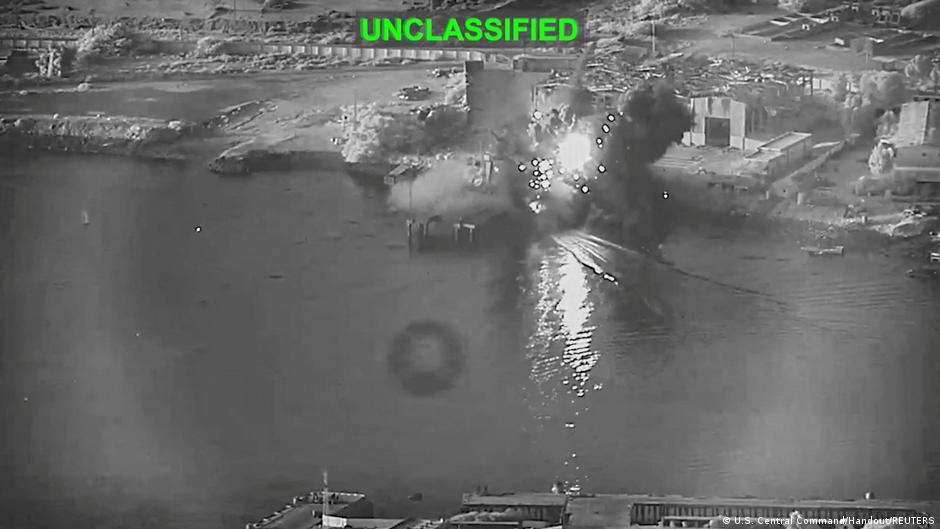
The United States has intensified its military operations against Iran, conducting a series of strikes targeting bridges, airports, and energy infrastructure in an effort to further weaken Tehran’s military potential. These actions mark the sixth consecutive night of attacks, escalating tensions in the Gulf region and raising concerns over the stability of critical trade routes.
US Strategic Objectives and Immediate Impact
On the evening of July 16, US Central Command (CENTCOM) initiated new precision strikes on Iranian targets, with the stated objective to "further degrade Iran's military capabilities." The attacks reportedly hit civil infrastructure, including three bridges in the Hormozgan coastal province, power substations on Kish Island, and areas near airports in Bandar Abbas and Iranshahr. Notably, explosions were also reported near Bushehr, home to Iran’s sole civilian nuclear power plant.
"The continuous attacks underline the US intent to diminish Iran's capacity to project power in the region," a military analyst commented.
According to Iranian sources, these strikes resulted in three fatalities and fifteen injuries, underscoring the human cost and potential escalation risks.
Regional and Military Repercussions
In response, Iran’s Islamic Revolutionary Guard Corps (IRGC) announced coordinated retaliatory strikes against US military assets in the region, targeting American helicopters and surveillance drones stationed at Bahrain’s Al-Sakhir Air Base. The attacks reportedly employed unmanned aerial systems, a tactic highlighting Tehran’s asymmetric warfare capabilities.
Kuwait’s military forces confirmed intercepting incoming Iranian missiles and drones, while Bahrain activated civil defense sirens, signaling heightened alert and potential spillover into neighboring states.
Geopolitical Context and Executive Implications
The recent escalation follows the collapse of a June framework agreement aimed at ceasing hostilities and lifting blockades in the Strait of Hormuz, a vital chokepoint for global oil transportation. The deal unraveled after an Iranian kamikaze drone attack on a civilian tanker transiting the strait on June 25, prompting US retaliatory strikes.
US President Donald Trump publicly declared the memorandum void during the NATO summit in Ankara and asserted US control over the Strait of Hormuz, signaling a shift to a more aggressive stance. Trump's remarks included explicit threats to continue strikes on Iranian infrastructure—including power plants and bridges—until Iran concedes to US demands.
Boardroom and Corporate Sector Considerations
The ongoing military confrontations in a strategically critical region pose significant risks for multinational corporations, especially those in energy, shipping, and insurance sectors. Disruptions to the Strait of Hormuz could have cascading effects on global oil supply chains, elevating volatility in commodity markets and impacting shareholder value.
Executives and board members of companies with Middle East exposure should closely monitor geopolitical developments and assess risk management strategies, including supply chain diversification and crisis response protocols.
Moreover, escalation could prompt increased scrutiny from investors demanding transparency on how companies mitigate geopolitical risks, as well as potential regulatory pressures stemming from sanctions or trade restrictions linked to the conflict.