US Lifts Blockade of Strait of Hormuz, Signaling Shift in Iran Policy and Corporate Energy Strategy
The US Central Command ends naval blockade on Iran’s ports, enabling a critical oil passage and initiating a 60-day negotiation period for a broader peace agreement.
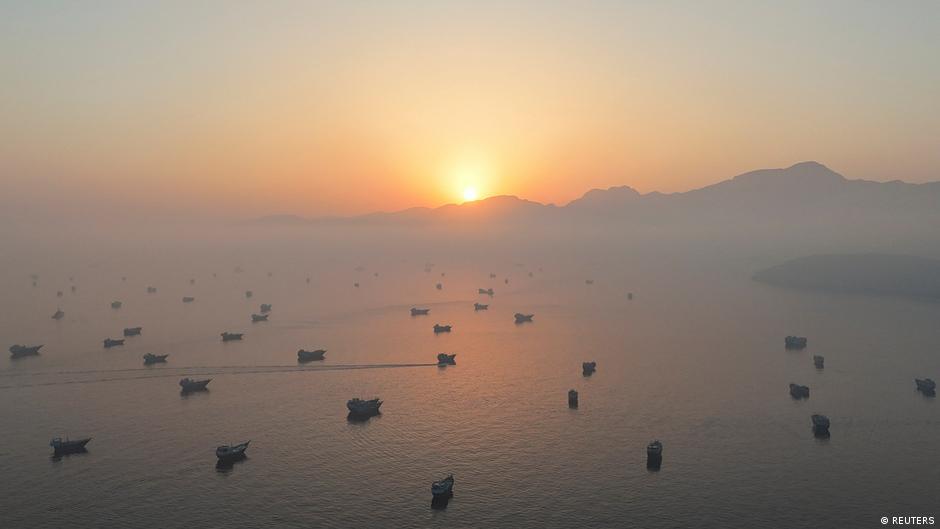
The United States has officially lifted the naval blockade of the Strait of Hormuz, a critical maritime chokepoint for global oil shipments, according to the US Central Command (CENTCOM). This decision follows an executive directive from President Donald Trump and marks a significant diplomatic and strategic shift in US-Iran relations.
Strategic Implications for Energy and Geopolitics
On June 18, CENTCOM announced that American forces will no longer impede vessels entering or leaving Iranian ports. However, US naval presence remains robust in the region to enforce the terms of a new agreement. Vice President David James Vance remarked during a briefing that in the previous 24 hours, vessels carrying a total of 12.5 million barrels of oil transited the Strait, the highest volume since the commencement of US and Israeli hostilities against Iran on February 28.
"All US military actions enforcing the blockade are terminated, though our powerful naval assets remain to guarantee full compliance with the agreement," CENTCOM stated.
This development signals a strategic recalibration, potentially stabilizing the region’s energy supply chains and reducing immediate military tensions around the Strait—a vital artery that handles a significant percentage of the world’s oil trade.
Vice President Vance also noted that Iranian forces had refrained from firing on vessels for two consecutive nights, suggesting a de-escalation in hostilities.
Negotiations and Corporate Outlook
The lifting of the blockade coincides with the remote signing of a memorandum of understanding between Washington and Tehran, initiating a 60-day negotiation window to finalize a comprehensive peace accord. Originally, this signing was slated for an in-person meeting in Switzerland on July 19 but was expedited to facilitate reopening the Strait sooner.
The agreement includes 14 points, most notably an immediate ceasefire, cessation of maritime blockades, resumption of shipping through the Strait, lifting of oil sanctions on Iran, and withdrawal of US forces from adjacent areas.
For the corporate sector, especially global energy companies and strategic commodity traders, this signals a potential easing of geopolitical risk in Middle Eastern oil supply. The agreement further outlines a $300 billion private investment fund dedicated to Iran’s reconstruction, alongside the unfreezing of $24 billion in Iranian assets. These financial flows could open new avenues for investments and partnerships in the Iranian energy and infrastructure sectors.
Additionally, Iran has committed not to pursue nuclear weapons development, a critical element for regional security and investor confidence.
From a boardroom perspective, these developments may necessitate a reevaluation of risk models and supply chain contingencies for companies with exposure to Middle Eastern oil markets. Corporate strategists should monitor the ongoing negotiations closely, as the resolution could dramatically reshape energy market dynamics and US-Iran economic relations.