US Lifts Sanctions on Miami-Based Bel-Kap-Steel Amid Belarus Political Developments
The sanction removal reflects a strategic shift linked to Belarus’s release of political prisoners and ongoing Minsk-Washington negotiations.
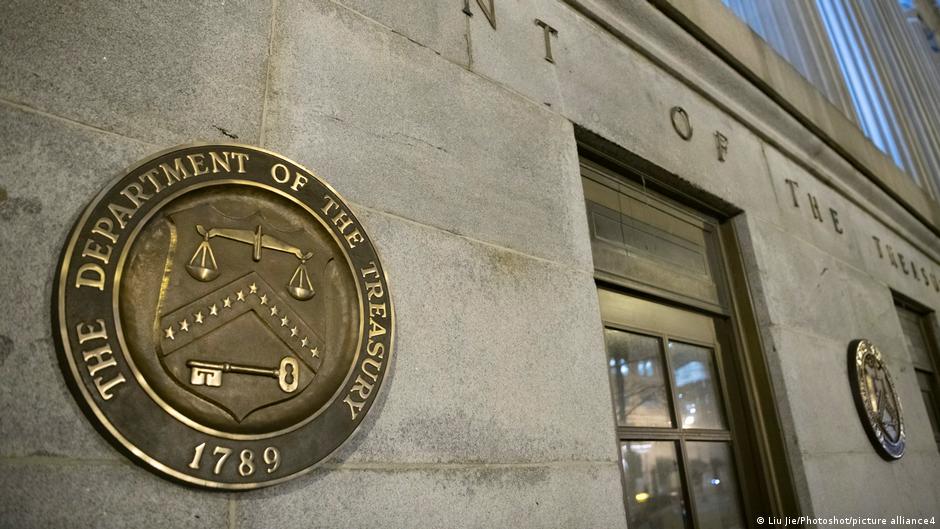
The United States has officially lifted sanctions against Bel-Kap-Steel, a Miami-based company engaged in a joint venture with the Belarusian Metallurgical Plant (BMZ), a key asset of the Belarusian Metallurgical Company holding. This move was announced by the US Treasury Department’s Office of Foreign Assets Control (OFAC) on July 23, 2026.
Strategic Implications of Sanction Relief
Bel-Kap-Steel was initially sanctioned in August 2023, alongside European Union penalties, due to its association with BMZ—one of Belarus’s largest state-owned enterprises. BMZ is noted for producing various steel products for both domestic consumption and export, generating significant revenues that reportedly support the Lukashenko regime.
"This sanction relief signals a recalibration of US economic policy toward Belarus, linked directly to recent political concessions," analysts noted.
The easing of restrictions coincides with a broader diplomatic context involving Belarus's large-scale release of political prisoners, part of ongoing negotiations between Minsk and Washington. Since late 2025, Belarus has freed hundreds of detainees considered political prisoners, a development that has prompted Washington to reconsider its punitive measures.
High-profile negotiations facilitated by John K. Cole, a special envoy during the Trump administration, culminated in the release of 123 prisoners in December 2025 and an additional 250 in March 2026. A prisoner exchange between Poland and Belarus also took place in late April 2026. Despite expectations for further exchanges, no new swaps have occurred since May.
Wider Economic and Corporate Impact
In tandem with lifting sanctions on Bel-Kap-Steel, the US has also eased penalties on key Belarusian financial institutions, including Belinvestbank and the Belarusian Development Bank, as well as the Ministry of Finance. Additionally, sanctions on major Belarusian potash producers such as Belaruskalij and the Belarusian Potash Company have been fully lifted.
This shift presents new dynamics for American investors and corporate strategists monitoring Eastern European markets, as it signals potential openings for renewed economic engagement with Belarus. For businesses involved in metallurgy, construction materials, and financial services, the relaxation of US sanctions could facilitate cross-border partnerships and investments that were previously hindered by regulatory constraints.
However, given Belarus's geopolitical positioning and ongoing political complexities, corporate boards and executives must weigh the risks of engagement carefully against potential economic gains. The US government’s sanction relief appears tied closely to political progress, indicating that future policy reversals remain possible depending on Minsk’s actions.
For stakeholders in the steel production and export sectors, Bel-Kap-Steel’s sanction removal may also encourage reassessment of supply chain strategies and partnership opportunities. The joint venture between Bel-Kap-Steel and BMZ underscores the continuing importance of Belarus’s metallurgical capabilities in regional industrial frameworks.
Overall, these developments highlight the intricate interplay between diplomacy, political reform, and international economic policy, underscoring the need for vigilant corporate governance and strategic agility in assessing emerging Eastern European market opportunities.