US Military Launches Tenth Consecutive Day of Strikes Against Iran Amid Rising Middle East Tensions
CENTCOM targets Iranian military infrastructure in sustained campaign as Tehran retaliates with drone and missile attacks.
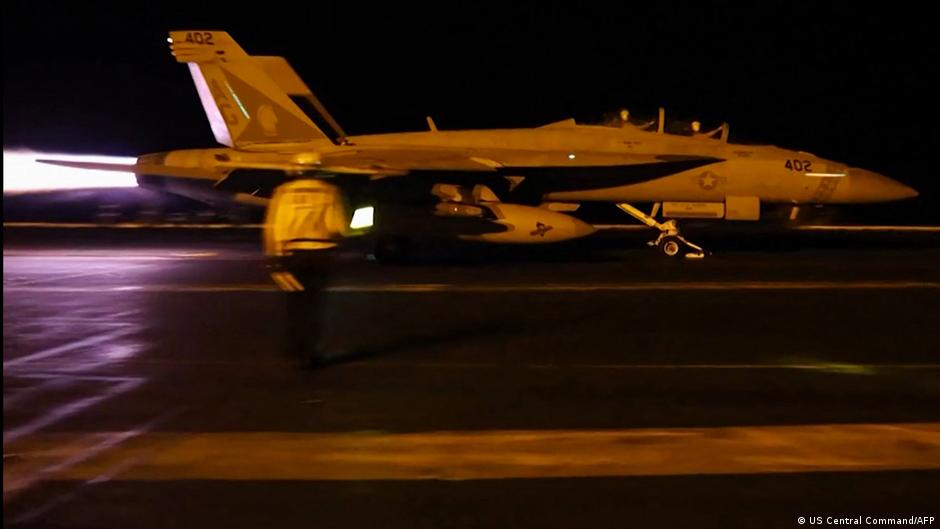
The United States Armed Forces have conducted a tenth consecutive day of military strikes against Iran, signaling a significant escalation in the ongoing conflict in the Persian Gulf region. On July 20, U.S. Central Command (CENTCOM) announced a new wave of attacks targeting Iranian air defense systems, missile launch sites, and drone facilities, aimed at degrading Tehran's capacity to threaten regional and maritime security.
Strategic Objectives and Regional Impact
The strikes commenced at 4:00 PM Eastern Time (22:00 Central European Time) and were described by CENTCOM as efforts to further weaken Iran’s military capabilities used in attacks against civilian shipping in the Strait of Hormuz. The U.S. military emphasized that these operations are part of a broader strategy to safeguard freedom of navigation and deter Iranian aggression.
"These strikes are designed to diminish Iran's ability to conduct operations against commercial vessels in the critical Strait of Hormuz," CENTCOM stated on social media, underscoring the strategic importance of maintaining secure maritime trade routes.
The specific targets included command and control centers, missile and unmanned aerial vehicle (UAV) launch pads, and air defense systems, reflecting a comprehensive approach to degrading Iran’s military infrastructure.
"We conducted these strikes in honor of our fallen soldiers and to send a clear message that attacks on American personnel will be met with decisive responses," stated U.S. President Donald Trump.
Escalation and Retaliatory Attacks
Iran responded to the U.S. strikes with renewed attacks in the Persian Gulf region. On July 20, drone and missile strikes were reported in Kuwait and Jordan, countries hosting American military bases, indicating Tehran’s intent to retaliate beyond its borders. These developments followed Iran’s declaration on July 18 that it was nullifying a ceasefire agreement established in June with the United States, which had aimed to negotiate a comprehensive peace settlement within 60 days.
In a strongly worded statement, President Trump warned of "multiple" reprisals should any American military personnel be harmed in future Iranian attacks. This directive was communicated to Defense Secretary Pete Hegseth, highlighting the administration’s focus on protecting U.S. forces.
The current phase of hostilities has resulted in the deaths of three additional U.S. servicemembers, bringing the total American casualties since the conflict began in late February to 17. This toll underscores the human cost behind the strategic contest in the region.
Broader Geopolitical and Corporate Implications
Beyond military considerations, the intensified conflict in the Strait of Hormuz has significant implications for global energy markets and shipping companies. Iran’s Revolutionary Guards reportedly detained two oil tankers on July 20 near the Strait, accusing them of illegal navigation on southern routes. Iranian state media reported that the vessels suffered explosions, further complicating maritime security.
According to data from the London Stock Exchange, shipping traffic through the Strait has sharply decreased in recent days, with only four vessels passing on July 19 compared to eight the previous day. This disruption poses risks for energy supply chains and could prompt reevaluations of corporate risk management strategies among multinational firms operating in or relying on Middle Eastern energy imports.
The ongoing military engagement and its economic ripple effects demand close attention from corporate executives and boardrooms managing exposure to geopolitical risks. Strategic decisions regarding supply chain diversification, insurance coverage, and regional investments will be critical as the situation remains volatile.