US Pushes to Revive Iraq-Syria Oil Pipeline to Bypass Strait of Hormuz and Curtail Iran's Influence
Washington negotiates with Iraq, Syria, and energy firms to restore a dormant oil pipeline, aiming to reduce reliance on the Strait of Hormuz and shift regional energy dynamics.
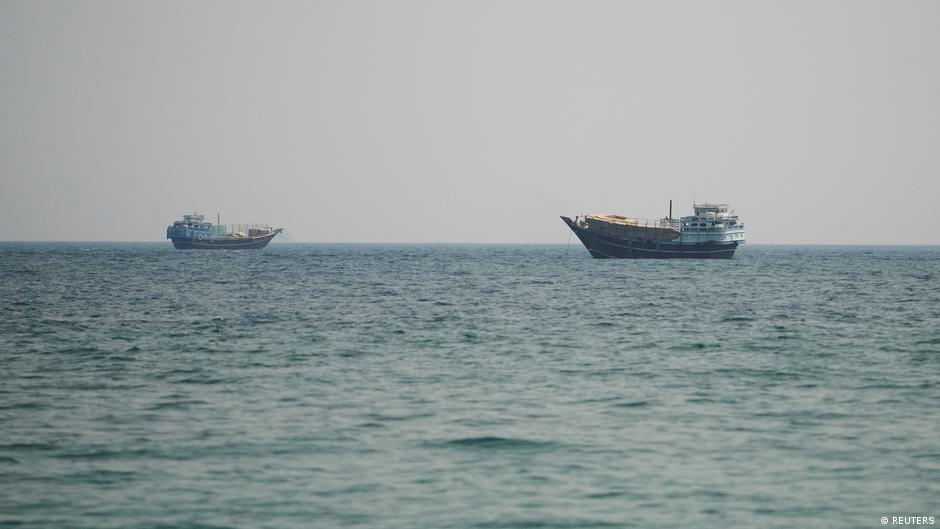
The United States is actively negotiating the revival of a long-dormant oil pipeline running from Iraq to Syria’s western coast, a strategic move designed to sidestep the Strait of Hormuz and diminish Iran's leverage over global energy supplies.
Strategic Reorientation of Energy Routes
According to multiple sources, Tom Barrack, the US Special Presidential Envoy for Syria and Iraq, has engaged in discussions with officials from both countries as well as with representatives from major energy companies, including Chevron Corporation. The central focus is on restoring the oil pipeline connecting Kirkuk in Iraq to Banias on Syria’s coast, which has been out of operation for over two decades.
The pipeline restoration is part of a broader US strategy to decrease the strategic vulnerability associated with the Strait of Hormuz, a critical chokepoint for global oil shipments that has long been a flashpoint of Middle Eastern tensions. By creating an alternative export route, the US aims to weaken Iran’s influence on energy transit and supply security.
A US State Department spokesperson confirmed that the administration anticipates active participation from American companies in the reconstruction and future operation of the pipeline.
“The restoration of this pipeline represents a critical step toward diversifying energy export routes and securing long-term stability in global oil markets,” a source involved in the negotiations commented.
US President Donald Trump recently met with Iraqi Prime Minister Ali al-Zaydi at the White House, where he announced plans to unveil major new oil partnerships imminently. This announcement underscores the US administration's commitment to expanding its strategic footprint within Middle Eastern energy infrastructure.
Challenges and Corporate Considerations
While the initiative holds significant geopolitical promise, it is fraught with complexities.
Potential pipeline routes traverse volatile regions such as Iraq’s Anbar province and eastern Syria, areas with persistent ISIS insurgent activity. The success of the project will heavily depend on the ability of the newly empowered authorities to stabilize post-conflict zones and secure the infrastructure.
Additionally, recent discussions have involved other global energy and investment players, including TotalEnergies SE and investors like Los Angeles-based TI Capital and Qatar's UCC Holding, who are exploring Syria’s potential emergence as an energy export hub.
Reconstructing pipeline infrastructure in a war-torn region requires significant capital investment and risk tolerance. Corporate boards and executives involved must carefully weigh the geopolitical risks against the potential strategic gains of accessing new supply routes in a region pivotal to energy markets.
This move aligns with broader US efforts to counterbalance Iranian influence, especially as tensions in the Persian Gulf have escalated recently. Notably, President Trump has reinstated a naval blockade in the Strait of Hormuz but reversed plans to impose a 20% tariff on maritime goods, opting instead to negotiate trade agreements with Gulf states to generate revenue.
For American energy firms and investors, this pipeline project represents both a strategic opportunity and a calculated risk, potentially reshaping regional energy transit patterns and corporate investment strategies amid shifting geopolitical landscapes.