Wildberries Warehouses in Russia and Crimea Targeted in Coordinated Attacks Amid Ongoing Conflict
Ukrainian strikes on Wildberries logistics hubs disrupt operations in multiple Russian regions, raising concerns over supply chain resilience and corporate risk management.
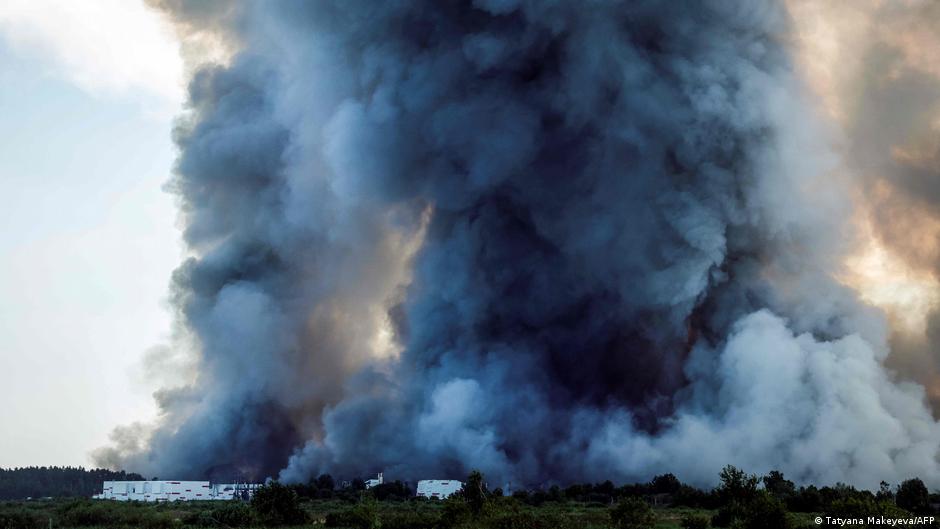
In a series of attacks during the night of July 24, several warehouses operated by Wildberries, Russia's leading online marketplace, were targeted across different regions, including near Saint Petersburg, Tver, and the annexed territory of Crimea. These strikes, attributed to Ukrainian forces, have significant implications for the company’s logistics capabilities and strategic risk exposure amid the ongoing conflict.
Strategic Impact on Wildberries’ Logistics Network
The warehouse located in Novosaratovka village of the Vsevolozhsky District, just outside Saint Petersburg, reportedly caught fire following the attack. This facility serves as a critical logistics hub for the Saint Petersburg area, and eyewitness reports confirm multiple points of fire within the city’s vicinity. Visual evidence circulating on social media shows thick black smoke billowing over the cityscape, highlighting the severity of the damage.
Consequently, Wildberries announced a temporary suspension of operations at its logistics complexes in Shushary and Utkina Zavod, both in Saint Petersburg. Official communication stated that work would resume only after ensuring safety and operational readiness.
Additional strikes were reported in Tver and Simferopol, the latter being under Russian control in Crimea. The sorting center in Simferopol was evacuated in line with safety protocols, underscoring the urgency and risk posed by these assaults. Furthermore, an unverified report indicated an attack on an electrical substation in Sudak, Crimea, causing power outages and water supply disruptions in the region, which adds to the logistical challenges faced by businesses operating there.
"The temporary halt in operations at key logistics hubs highlights the vulnerability of regional supply chains amid geopolitical tensions," industry analysts commented.
The local authorities in Leningrad Oblast, Saint Petersburg, Tver, and Simferopol have yet to issue formal statements addressing these attacks. The absence of official commentary leaves shareholders and stakeholders with limited clarity on the full extent of the operational and financial repercussions.
Broader Consequences for Wildberries’ Business and Regional Logistics
This latest wave of attacks follows earlier incidents that severely damaged Wildberries’ facilities in various regions, including Elektrostal near Moscow (250,000 sq. meters), Kotovsk in Tambov Oblast (108,000 sq. meters), Krasnodar (100,000 sq. meters), and Nevinnomyssk in Stavropol Krai (94,000 sq. meters). As of late July, estimates indicate that approximately 10% of Wildberries’ entire logistics infrastructure—totaling around 552,000 square meters—has been affected by Ukrainian military actions.
The July 18 strikes on warehouses in Kotovsk and Elektrostal were particularly devastating, with eight fatalities and around 50 injuries reported. Ukrainian President Volodymyr Zelensky characterized these attacks as retaliatory, asserting that the affected logistics centers were involved in supplying components for drones and navigation equipment used by Russian forces.
For Wildberries, which depends heavily on an extensive logistics network to maintain its market dominance in Russia’s e-commerce sector, these disruptions pose immediate operational risks and long-term strategic challenges. The repeated targeting of distribution centers exposes the company to significant supply chain interruptions, safety liabilities, and potential regulatory scrutiny.
Moreover, the situation forces corporate leadership to reassess risk management frameworks, including contingency planning for assets located in geopolitically sensitive zones. The attacks may accelerate considerations around diversification of logistics infrastructure, increased security measures, and enhanced communication strategies to maintain investor and consumer confidence.
Industry observers emphasize that the evolving security environment in Russia’s western regions demands proactive executive decisions to mitigate risks and ensure business continuity.