European Leaders Endorse US-Iran Deal, Stress Nonproliferation and Regional Stability
France, Germany, UK, and Italy welcome the US-Iran agreement while emphasizing swift implementation and preventing nuclear armament.
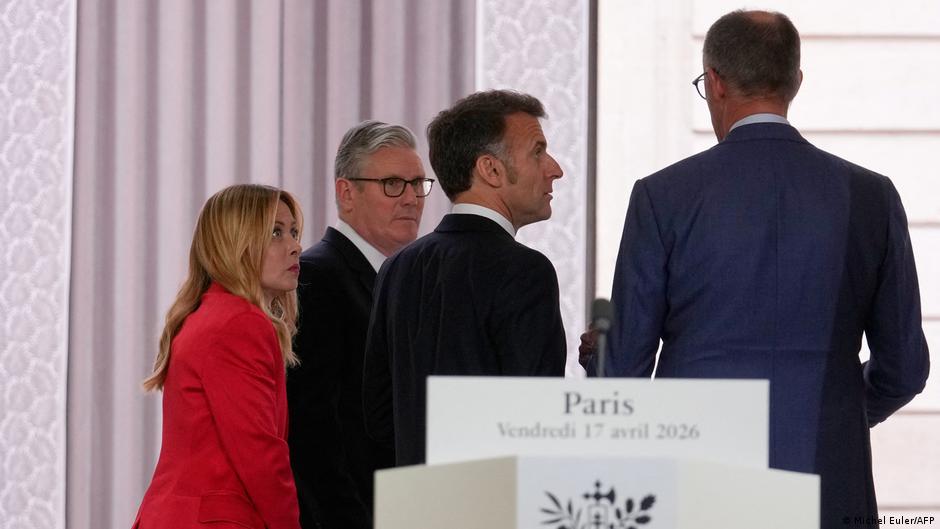
Leaders of France, Germany, the United Kingdom, and Italy have expressed their support for the upcoming US-Iran peace agreement scheduled for June 19, viewing it as a crucial step towards ending conflict and restoring regional stability. They simultaneously emphasized the imperative that Iran must not acquire nuclear weapons.
Joint Statement Highlights Strategic Priorities
In a joint statement released on June 15, the heads of state and government from the four European nations hailed the diplomatic breakthrough as opening "opportunities for restoring regional stability and stabilizing the global economy." They congratulated all participants in the negotiation process, underscoring the importance of rapid and comprehensive implementation of the agreement.
A key element of the accord involves the immediate restoration of navigation through the Strait of Hormuz, a vital maritime artery for global fuel markets. The leaders declared their readiness to support efforts such as clearing mines to ensure the safe passage of vessels.
"Iran must never under any circumstances acquire nuclear weapons. We are prepared to work with the US, Iran, and the IAEA to achieve this goal," the European leaders stated.
British Prime Minister Keir Starmer and French President Emmanuel Macron also issued individual remarks. Starmer stressed that freedom of navigation in the Strait of Hormuz must be reinstated "without any fees," to ease the economic repercussions stemming from the US-Israel conflict with Iran that has impacted global markets.
President Macron expressed concerns regarding Iran's nuclear and ballistic missile programs. Starmer took a firmer stance, reiterating that Iran "must never possess nuclear weapons." This position was reaffirmed in the joint statement.
The European leaders indicated their willingness to coordinate with the United States, Iran, and the International Atomic Energy Agency (IAEA) to ensure verifiable steps toward nuclear nonproliferation. They also signaled readiness to lift relevant sanctions contingent on Iran's compliance with these measures.
Implications for Corporate and Global Energy Markets
The agreement's focus on stabilizing navigation through the Strait of Hormuz holds direct implications for energy companies and global supply chains. The strait is a crucial chokepoint for oil and gas shipments, and its security affects pricing and availability worldwide. Multinational corporations involved in energy trading, logistics, and infrastructure stand to benefit from reduced volatility and improved predictability.
Furthermore, the prospect of easing sanctions linked to Iran's nuclear program could open avenues for international business engagement and investment in the region, contingent on transparent compliance. Corporate boards and executives with exposure to Middle Eastern markets might find strategic opportunities emerging from this diplomatic development.