US Military Intercepts Ballistic Missile Attack from Iran Targeting Middle East Forces
The US Central Command confirms successful defense against Iranian missile strikes amid heightened regional tensions.
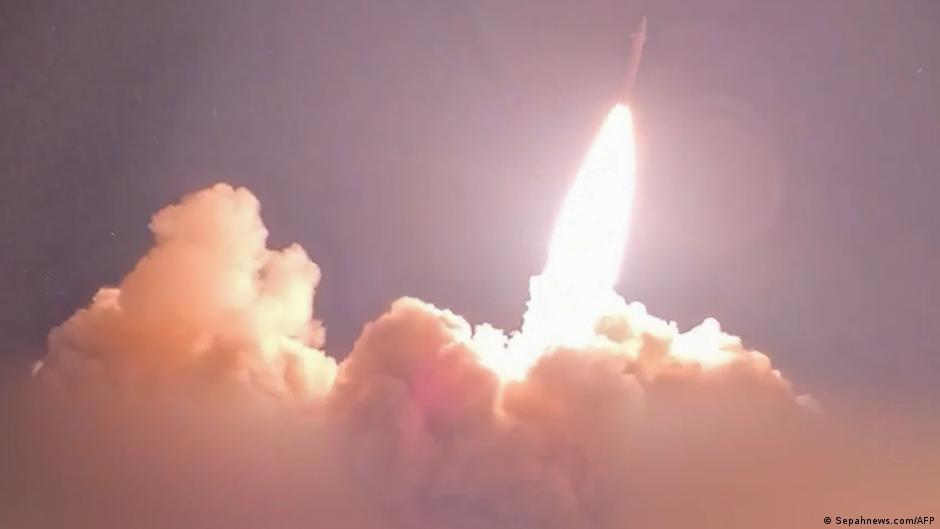
The United States military has reported the interception of multiple ballistic missiles launched from Iranian territory aimed at American forces stationed in the Middle East. This marks a significant escalation after a period during which both sides refrained from mutual attacks.
According to the US Central Command (CENTCOM), the Islamic Revolutionary Guard Corps (IRGC) initiated an "attempted surprise attack" by launching several ballistic missiles targeting US military personnel deployed in the region. The interception of all incoming missiles was confirmed in the early hours of July 29.
"US forces in the region remain vigilant and maintain a high state of combat readiness," CENTCOM stated via a social media post. This message underscores ongoing concerns about regional stability and potential further hostilities.
Context of Recent Hostilities and Strategic Calculations
Earlier reports from American media outlet Axios, citing informed sources, indicated that the missile barrage was directed at a US military base in Jordan, marking the first such Iranian missile attack on an American facility in the region since then-President Donald Trump’s decision to pause strikes against Iran.
Between July 12 and July 24, the United States conducted nocturnal strikes on military targets within Iran. These operations were officially aimed at degrading Iran’s capacity to threaten commercial shipping in the Strait of Hormuz, a critical maritime chokepoint. The IRGC, despite framework agreements intended to ease tensions, had repeatedly attacked tankers in this strategic waterway, and Iran had conducted missile attacks on neighboring countries’ territories with US military bases as presumed targets.
On the night of July 21, President Trump publicly warned Iran of "multiple consequences" in response to threats against US personnel. During the escalation, CENTCOM reported three American military fatalities.
Following July 24, both parties refrained from launching further strikes. According to The New York Times, President Joe Biden convened meetings with senior advisors and key cabinet members on that day, ultimately deciding to delay additional large-scale strikes against Iran. Factors influencing this decision included concerns about depleting interceptor missile inventories—such as those used by Patriot air defense systems—and the potential triggering of a global energy and economic crisis.
"The decision to hold back on further strikes reflects a complex balance between military readiness and broader geopolitical and economic considerations," said a defense analyst familiar with CENTCOM's operational posture.
This recent missile attack and the US response will likely influence strategic deliberations in Washington regarding force posture, resource allocation, and diplomatic engagement with Iran. The risk of supply shortages for critical defensive systems in the region adds a layer of complexity to military planning and executive decision-making.
As tensions persist, the US administration faces the challenge of balancing assertive defense of its forces with the avoidance of a wider conflict that could destabilize global energy markets and international economic conditions.