Israeli Airstrikes on Iran Escalate Amidst US-Iran Peace Negotiations
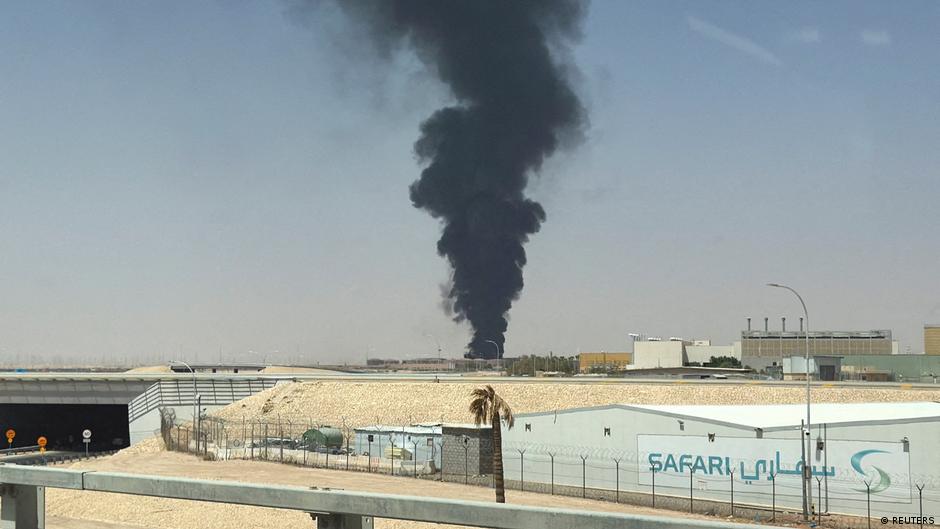
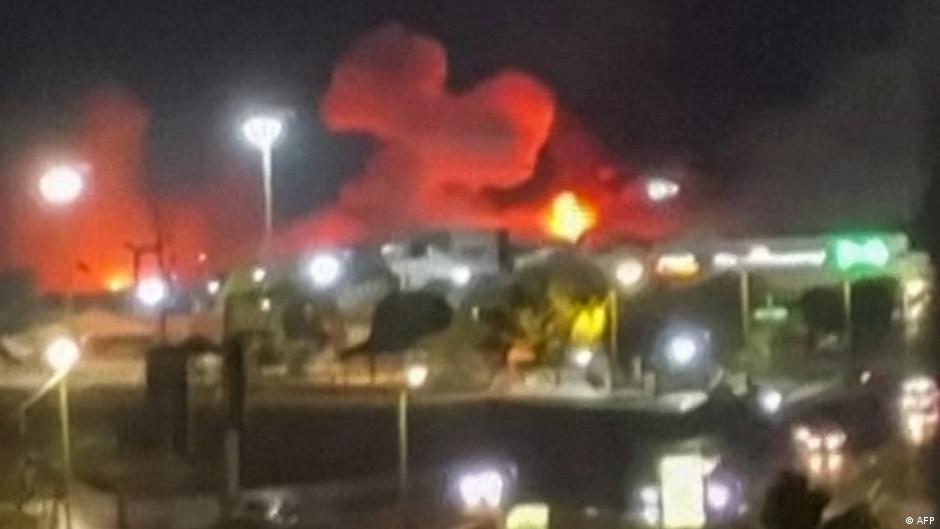
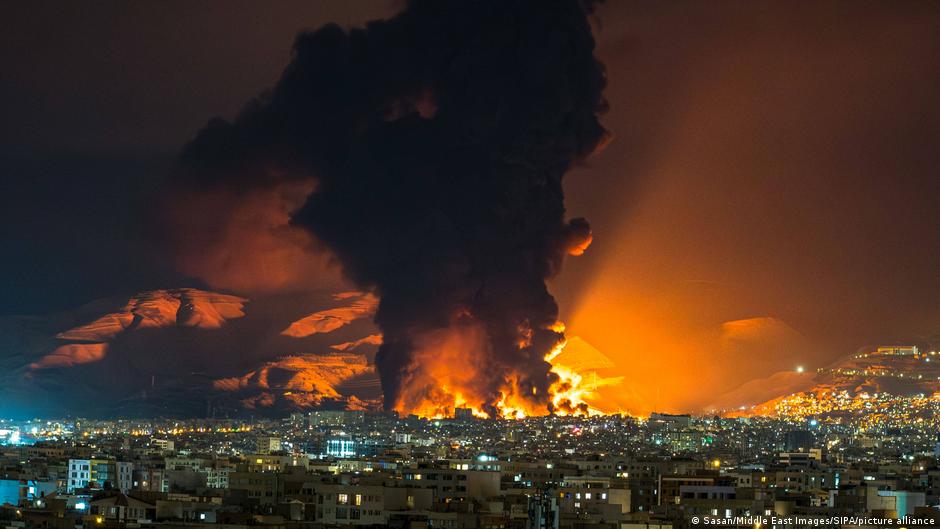
Israel's airstrikes on Iran escalate tensions amid US-led efforts to negotiate a peace deal, posing strategic challenges for businesses tied to the Middle East.

Israel's airstrikes on Iran escalate tensions amid US-led efforts to negotiate a peace deal, posing strategic challenges for businesses tied to the Middle East.

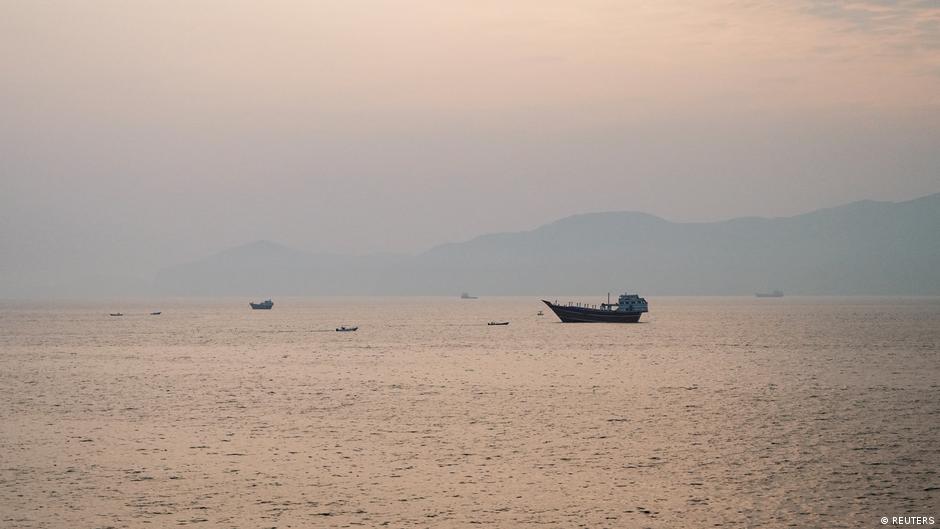
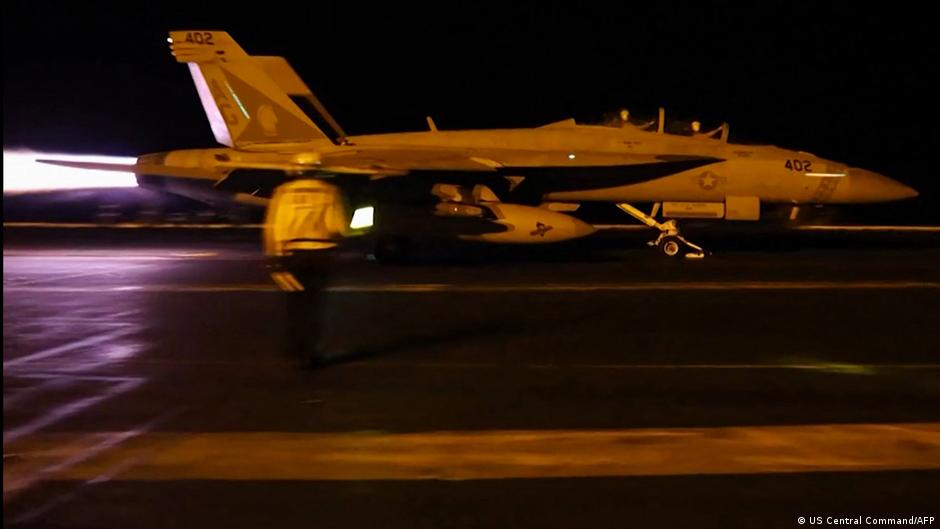
US forces shot down four Iranian drones threatening the Strait of Hormuz and struck Iranian radar stations, underscoring escalating regional tensions affecting global energy routes.

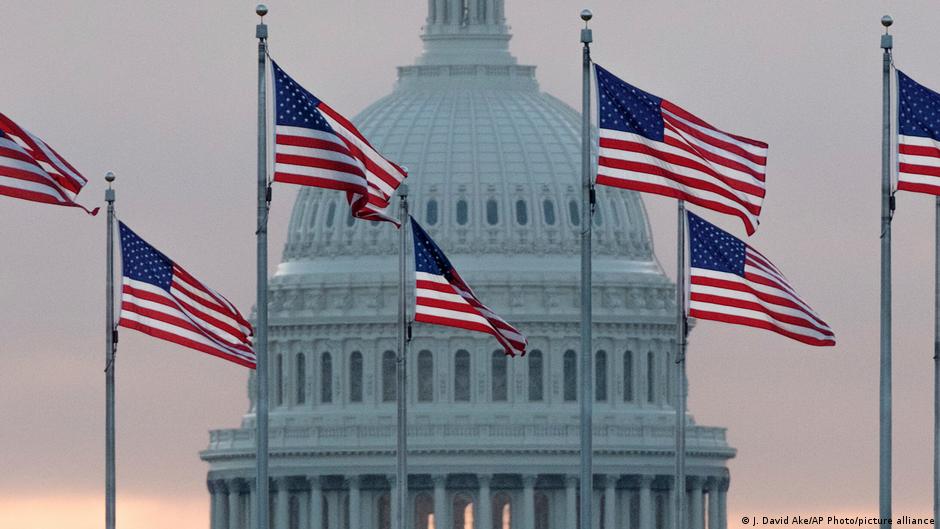
The U.S. House has passed a resolution restricting President Trump’s authority to wage war on Iran without Congress approval, signaling bipartisan congressional oversight amid ongoing conflict.

The US brokered a ceasefire between Israel and Lebanon, requiring Hezbollah’s disarmament and withdrawal, providing a critical pause in regional conflict with business and geopolitical implications.
Former President Trump rebuked Israeli PM Netanyahu for Lebanon strikes, warning of increased civilian casualties and risks of Israel's international isolation amid ongoing Middle East tensions.
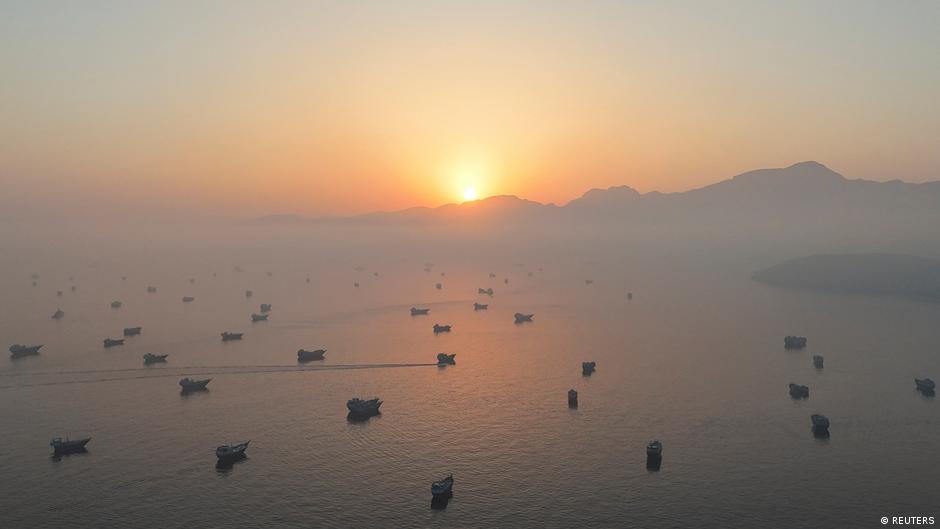
CENTCOM covertly aided around 70 commercial ships through the Iran-blockaded Strait of Hormuz, balancing maritime commerce flow with regional security risks amid ongoing U.S.-Iran tensions.

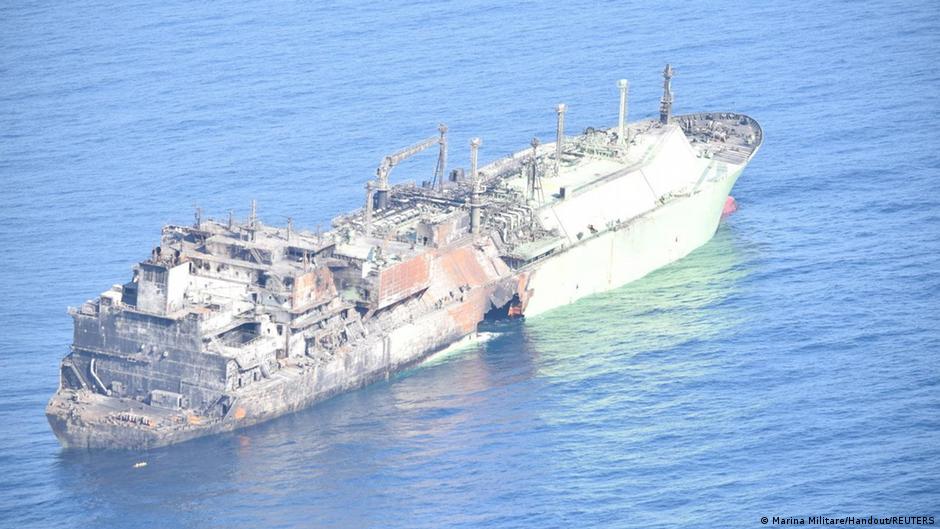
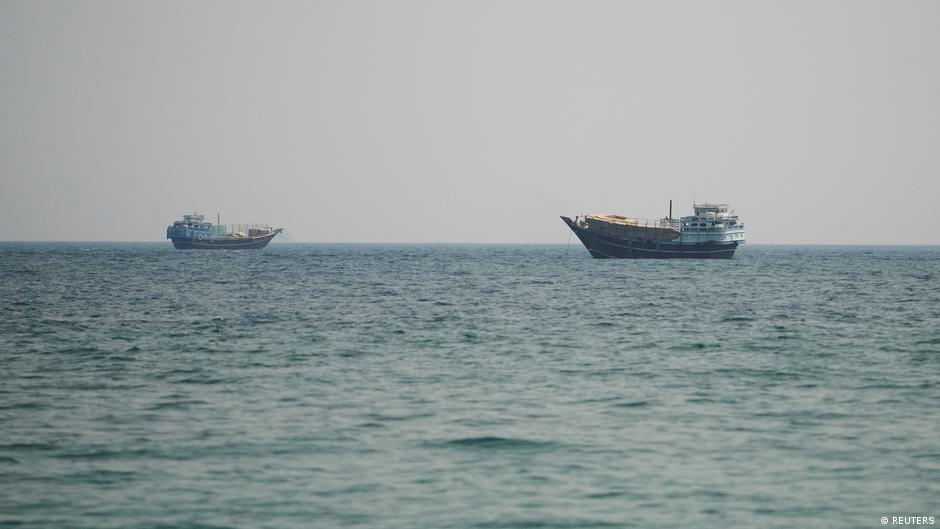
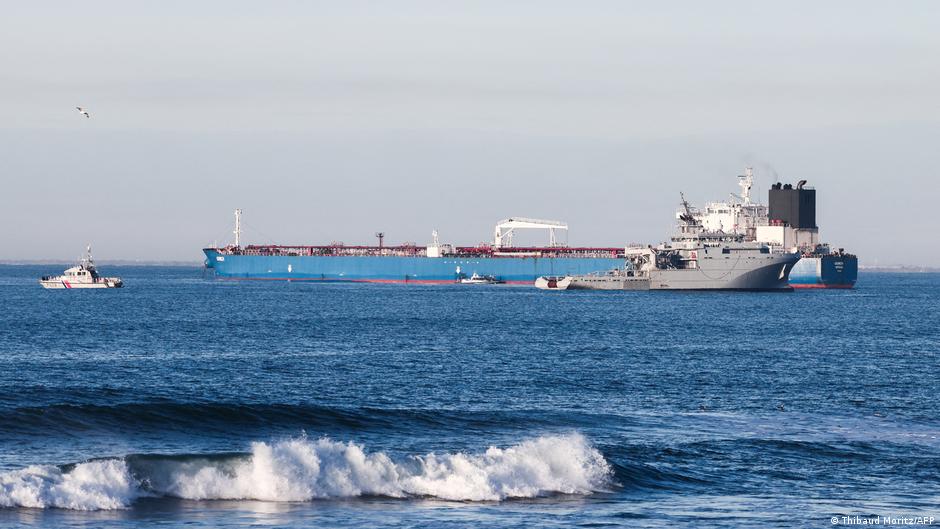
The U.S. disabled a Gambian-flagged ship en route to Iran amid intense enforcement of the Strait of Hormuz blockade, highlighting rising risks for maritime and defense sectors.

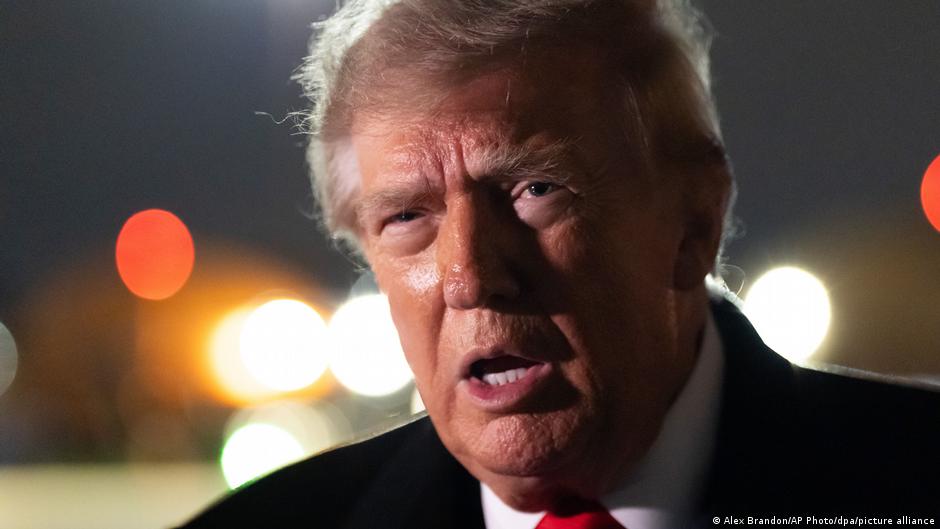
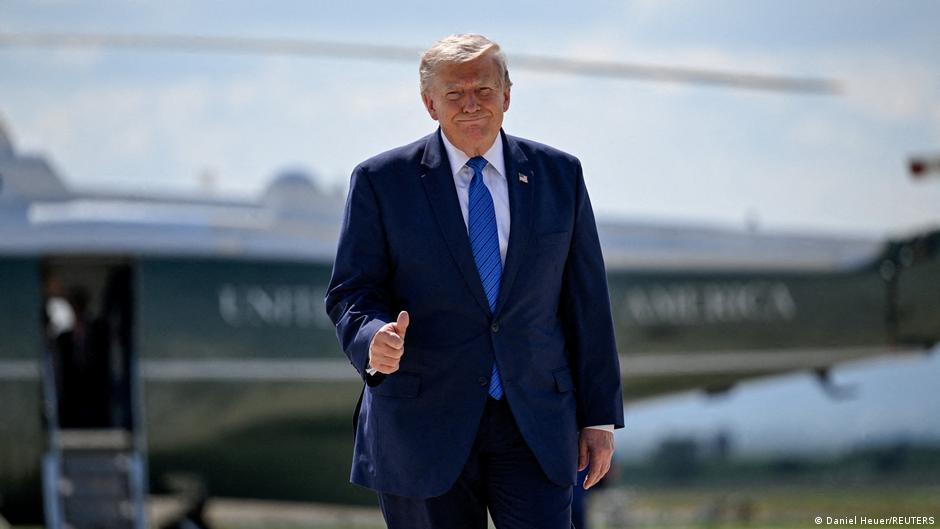
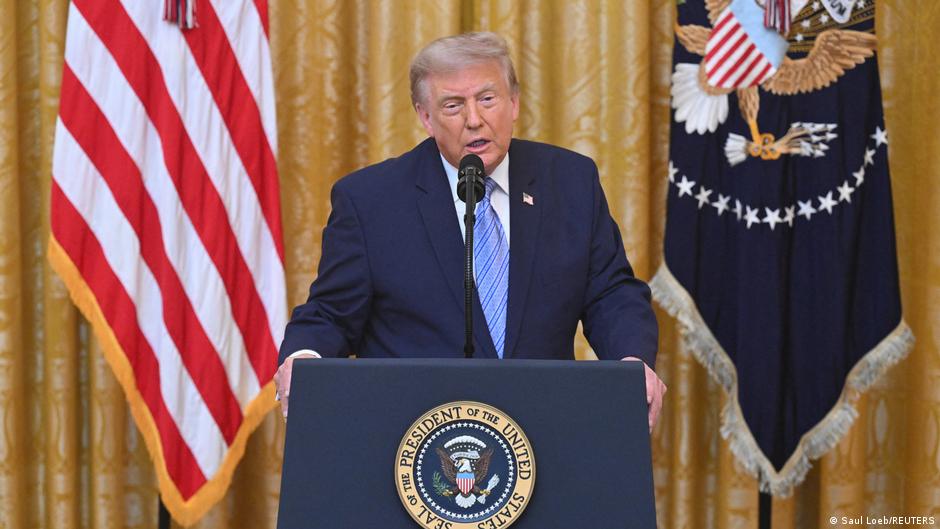
President Trump demands Iran adhere to strict 'red lines,' including never obtaining nuclear weapons, before agreeing to a deal amidst ongoing high-level consultations.

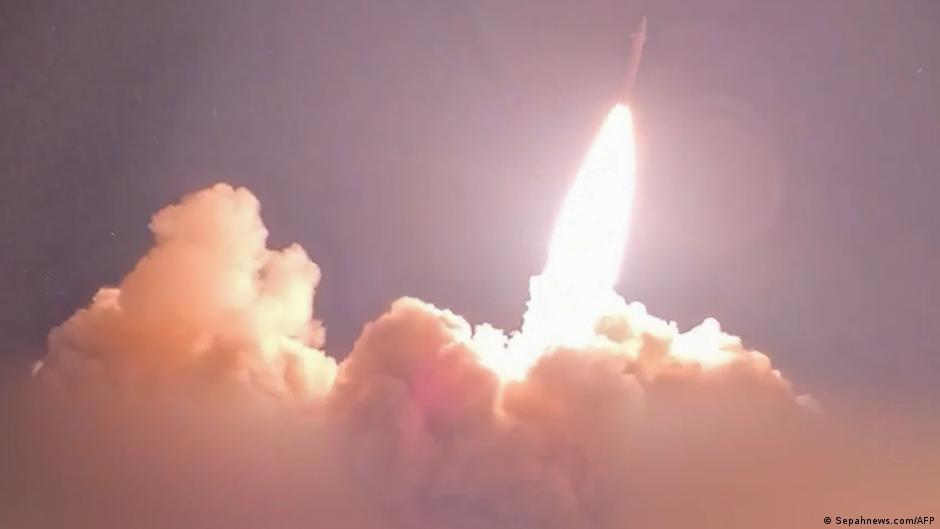
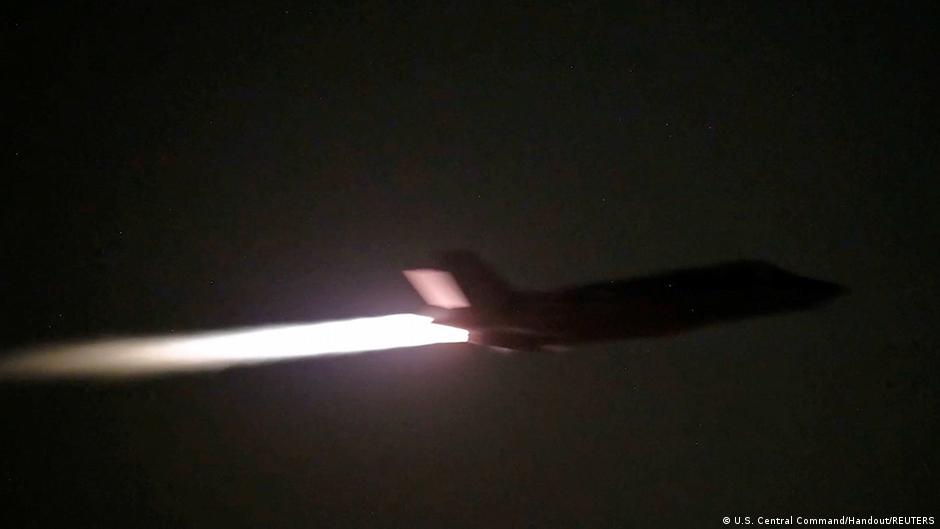
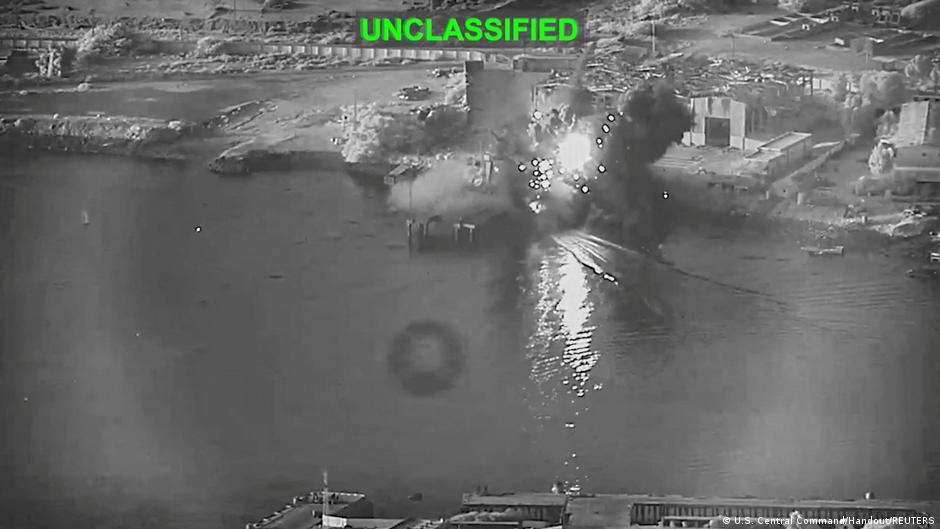
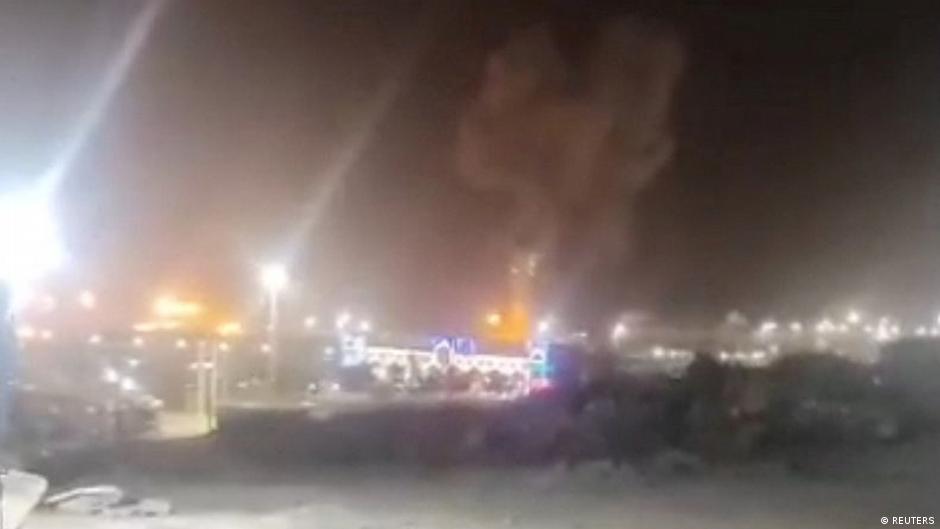
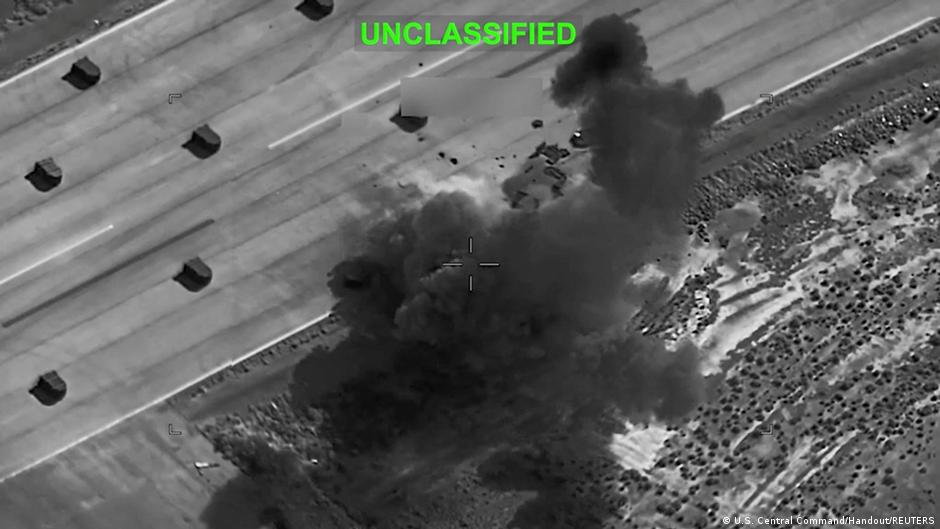
The US military conducted defensive strikes on missile sites and mining vessels in southern Iran, reinforcing protection of American forces amid an active ceasefire and complex diplomatic negotiations.

Donald Trump demands Iran’s enriched uranium be destroyed either in the US or on-site under IAEA supervision to prevent nuclear weapons development.

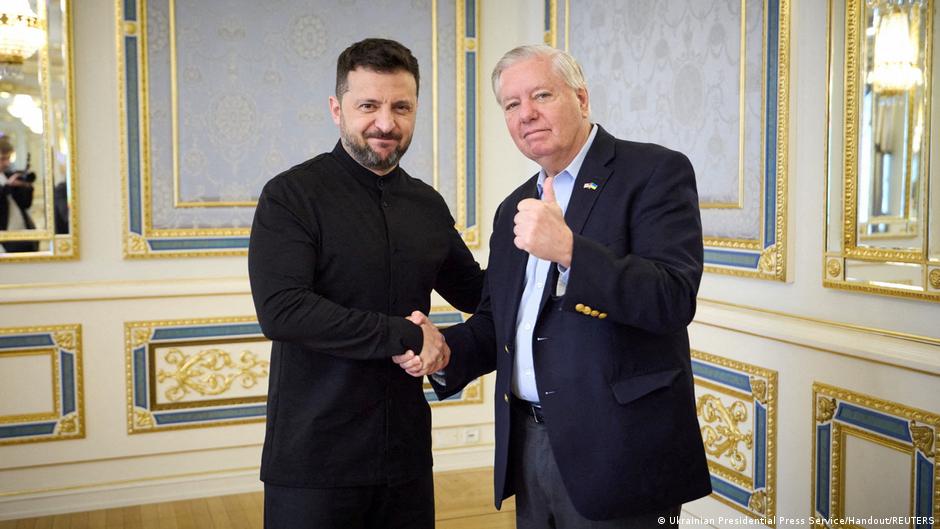
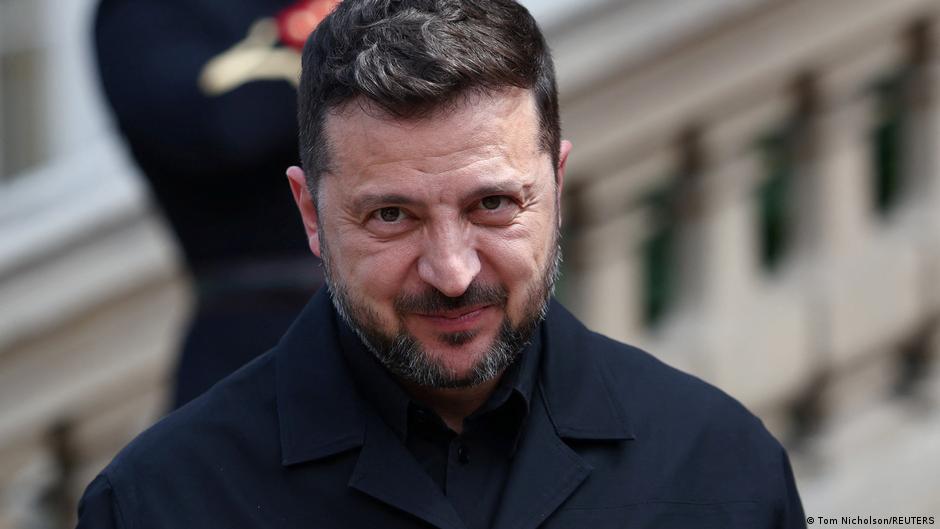
European leaders and Ukraine's president convened virtually to strategize renewed diplomatic efforts and enhance Europe's role in ending the war against Russian aggression.

President Trump announces deployment of an additional 5,000 U.S. troops to Poland, reaffirming U.S. commitment amid ongoing military realignments in Europe.

NATO confirms continued US missile deliveries to Ukraine under PURL, highlighting sustained Western support amid evolving European defense dynamics and addressing Russian claims.

The UK has issued an indefinite license permitting imports of diesel and kerosene derived from Russian oil via third countries, signaling a strategic shift amid global energy challenges.

The US Senate advanced a resolution requiring President Trump to obtain congressional approval for further military actions against Iran, challenging executive war powers.

President Trump delayed a planned military strike on Iran following diplomatic appeals from Gulf leaders and ongoing negotiations aiming for a nuclear agreement.

The US Treasury has ended its temporary waiver on sanctions for Russian oil shipments, prompting strategic reassessments among energy sector executives and boards.

The UK government plans to increase its defense budget by £18 billion amid political challenges, impacting defense firms and strategic corporate decision-making.

Donald Trump reveals China’s renewed interest in buying U.S. oil and soybeans, hinting at shifting trade dynamics and potential influence on Iran amid recent talks with Xi Jinping.

US President Donald Trump and Chinese President Xi Jinping held a ceremonial meeting in Beijing to discuss Iran, Taiwan, and trade relations, signaling efforts to strengthen bilateral ties.

US intelligence reveals Iran retains about 70% of its missile capabilities, challenging official claims of Tehran's military defeat and raising strategic and logistical concerns for US defense.

The UAE has covertly launched strikes against Iran, marking a strategic shift amid escalating drone attacks and economic disruption in the Gulf region.

US President Trump indicates a possible redeployment of 5,000 troops from Germany to Poland amid US-Germany tensions and Poland's readiness to host forces.

EU leaders prepare strategies for potential negotiations with Russia amid uncertain signals from Moscow and shifting geopolitical dynamics.

Iran mandates detailed vessel information declaration for tankers passing through the Strait of Hormuz amid escalating US-Iran tensions and potential transit fees.

President Trump announces promising US-Iran negotiations with potential nuclear agreement; businesses should monitor evolving sanctions and geopolitical risks.

Global oil stocks fell by a record 200 million barrels in April despite declining demand, driven by Middle East conflicts and supply disruptions, signaling rising prices ahead.

Iran launched a significant missile and drone attack on UAE targets, breaking a month-long ceasefire and prompting strong international condemnation and strategic reassessments.

Iran has delivered a 14-point peace proposal to the U.S., demanding troop withdrawals, sanctions relief, and reparations, while Washington remains doubtful about its acceptance.

President Trump announces a significant reduction of US troops in Germany, exceeding previous plans and signaling a strategic shift in US-European military relations.

Germany risks recession in 2026 if the EU retaliates against U.S. auto tariffs, warns Munich's ifo Institute amid escalating trade tensions.

The Pentagon orders a reduction of 5,000 US troops from Germany within a year, reflecting strategic shifts in American military posture in Europe amid transatlantic tensions.

The US notifies European allies of significant arms shipment delays as it prioritizes replenishing military stockpiles depleted by conflict with Iran, impacting NATO partners and Ukraine.

Oxfam reports a 56% rise in CEO pay among Germany’s DAX 40 companies since 2019, while average worker wages remain below pre-pandemic levels, intensifying income inequality.

Trump’s threats against Iran have pushed Brent and WTI oil prices sharply higher, underscoring the impact of geopolitical tensions on global energy markets and corporate strategies.

King Charles III visits the U.S. to repair strained UK-US ties amid tensions over Iran conflict and differing defense policies, marking a significant diplomatic moment.

President Trump ends US negotiators’ travel to Pakistan, citing America’s superior position and secure remote communication lines in ongoing Iran talks.

The US Treasury announced it will not extend temporary sanctions waivers allowing purchases of Russian and Iranian oil shipments, signaling a strategic enforcement shift with broad implications for global energy markets.

US President Trump announced a three-week extension of the Israel-Lebanon ceasefire following historic US-facilitated talks aimed at advancing peace and countering Hezbollah.

Turkey is actively facilitating renewed peace talks between Russia and Ukraine, aiming to end the ongoing conflict amid broader geopolitical tensions impacting global business landscapes.

Lufthansa will cancel 20,000 flights through October 2026 to save over 40,000 tons of jet fuel amid rising energy costs and geopolitical instability affecting aviation fuel supplies.

Iran accuses the U.S. of ceasefire violations after American forces seized an Iranian cargo ship in the Gulf of Oman, complicating diplomatic negotiations and regional stability.

Global airlines reduce flight capacity by 3% in May due to jet fuel shortages caused by Middle East conflicts and the Strait of Hormuz blockade.

Donald Trump declined NATO's offer to assist in the Strait of Hormuz security mission, calling the alliance ineffective, while European leaders plan a multinational peacekeeping operation.

Germany's Bundeswehr Military Museum in Koblenz restricts entry for Uzbek and several Central Asian nationals, citing new security legislation affecting access to military exhibits.

The US Senate rejected a resolution aimed at ending military operations against Iran, upholding presidential authority over war decisions despite Democratic opposition.

Germany authorized multimillion-euro arms exports to Israel amid war, balancing solidarity, political tensions, and complex export regulations affecting corporate strategy.

Russia's Deputy Foreign Minister says the UN proposal to monitor the Strait of Hormuz lacks support from key parties and its future is uncertain.