Saudi Pipeline Outage Threatens 4% Hit to Global Oil Supplies
A prolonged shutdown of the East-West pipeline would test Riyadh’s export strategy and raise fresh questions for energy markets.
A prolonged halt on Saudi Arabia’s East-West oil pipeline could reduce global oil supplies by 4 percent if Riyadh is unable to restore operations in the coming days, according to Reuters, which cited informed sources in the oil market. The uncertainty leaves one of the world’s most important crude exporters facing a potentially serious operational and strategic setback at a moment when alternative export routes have become central to its market position.
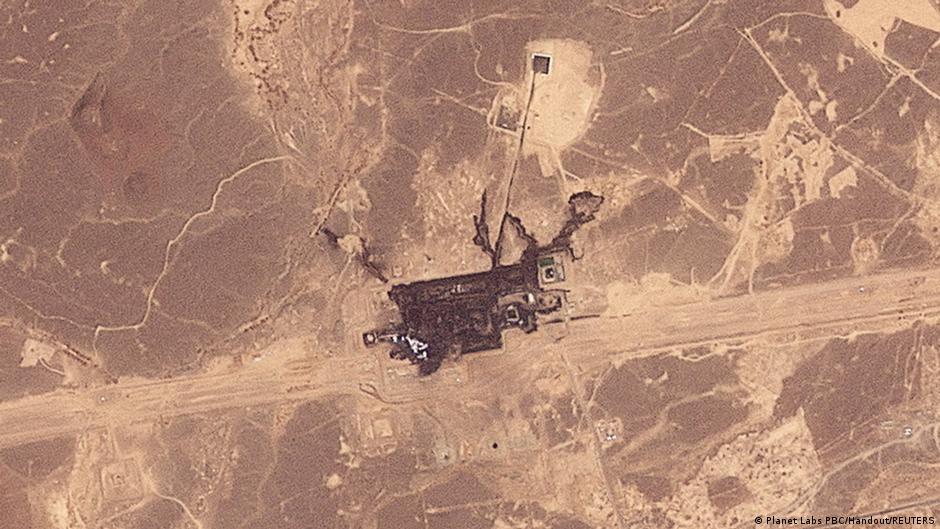
The pipeline was stopped after a Houthi drone attack, and it remains unclear how long repairs will take. Saudi authorities have not provided full information on the extent of the damage to the pipeline or on the timeline for resuming oil flows. For executives, traders and policymakers watching the kingdom’s energy system, that lack of disclosure is itself significant: the asset is not a marginal piece of infrastructure, but a core part of Saudi Arabia’s ability to move crude to global buyers while avoiding chokepoints in the Gulf.
Saudi Arabia’s energy ministry said the pipeline was halted on September 11 as a “precautionary measure” after drone strikes from Iraqi territory hit the Riyadh and Medina provinces. The official framing suggests a decision intended to manage risk rather than confirm catastrophic damage. But market sources cited by Reuters described a wider concern: if the outage continues, Riyadh may run short of oil stocks available for export.
Saudi authorities have not provided full information on the scale of the pipeline damage or on when pumping operations may resume.
One Reuters source said repairs could take five to six weeks. Another said the work might be completed more quickly, and that oil pumping could restart even before repairs are fully finished. For corporate planners and refinery buyers, the gap between those scenarios is substantial. A restart within days would likely be treated as a disruption to be managed. A repair cycle lasting more than a month would amount to a supply shock with implications for contracts, freight, inventories and pricing assumptions.
A Strategic Route Under Pressure
The East-West pipeline runs 1,200 kilometers across Saudi Arabia, linking the country’s main oil fields in the east with the Red Sea port of Yanbu. Its value lies not only in capacity but in geography. The route enables Riyadh to ship millions of barrels of crude per day without using the Strait of Hormuz, where traffic has been restricted by Iran.
That strategic function has become more important since the start of the war against Iran. Saudi Arabia significantly increased use of the pipeline, and by June exports through the route had reached nearly 8 million barrels per day, according to an estimate by the International Energy Agency. That level underscored the pipeline’s role as a central pillar of Saudi export logistics rather than a backup option.
For Saudi Aramco and the kingdom’s energy leadership, the current shutdown therefore raises questions that go beyond technical repair work. The boardroom issue is resilience: how much of Saudi Arabia’s export strategy can be concentrated through a route that is increasingly exposed to drone and maritime security risks? The answer matters to customers, insurers, shipowners and governments that depend on Saudi crude flows to stabilize global supply.
In recent weeks, the route’s capacity had already been reduced because of Houthi attacks on Saudi tankers in the Red Sea. In August, about 2.5 million barrels per day were shipped through Yanbu, the lowest level since 2013, according to the IEA’s latest monthly report. That figure shows the pipeline was under strain before the September 11 halt, and that the latest disruption lands on a system already operating below its recent peak.
Boardroom Implications for Energy Markets
The immediate business risk is the possibility of a 4 percent decline in global oil supply. Such a reduction would place pressure on refiners and trading desks to reassess supply availability, particularly if the repair timeline extends toward the five- to six-week estimate described by one market source. Even without new numbers from Saudi authorities, the market will be forced to price uncertainty around one of the few export routes capable of moving large volumes while bypassing Hormuz.
For Riyadh, the corporate and policy calculus is unusually compressed. Restoring the pipeline quickly would support confidence in Saudi Aramco’s operational reliability, particularly after an earlier April attack on the East-West pipeline, when the national oil company rapidly returned the route to service. A prolonged outage, by contrast, would invite tougher scrutiny of infrastructure protection, redundancy and crisis communication.
The lack of a clear official timeline also leaves customers with limited visibility. In energy markets, uncertainty can be nearly as disruptive as confirmed lost barrels, because buyers must make shipping, inventory and refinery decisions before repairs are complete. That makes Saudi communication strategy part of the business response, not a secondary public-relations matter.
The East-West pipeline’s purpose has always been strategic flexibility: it gives Saudi Arabia a way to move crude westward to the Red Sea and avoid reliance on the Strait of Hormuz. But the latest attack highlights a difficult reality for energy executives. Alternative routes reduce one set of risks while creating exposure to another. As Red Sea security concerns mount and drone attacks reach key infrastructure, the kingdom’s export system faces a test not just of engineering, but of corporate governance, contingency planning and geopolitical risk management.
For now, the market is waiting for two pieces of information Saudi authorities have not fully supplied: the scale of the damage and the date when pumping can resume. Until those are clear, a pipeline built to insulate Saudi exports from one strategic chokepoint has become the center of a new supply risk.