Zaporizhstal Damage Deemed Critical After Third Russian Missile Strike
The Metinvest-owned steelmaker, already shut since August, faces mounting operational, workforce and supply-chain risks after another attack.
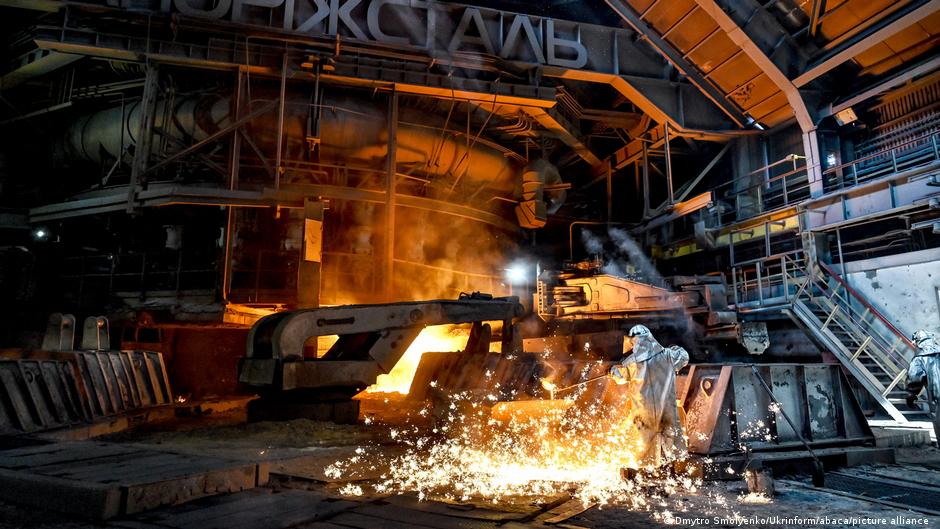
Zaporizhstal, one of Ukraine’s largest steel plants and a major industrial employer in the Zaporizhzhia region, has sustained what the company preliminarily described as critical damage after a third Russian missile strike on the enterprise in a month. The attack has sharpened the business and strategic consequences for Metinvest, the group that owns the plant, as management confronts repeated disruption to production assets, energy systems and logistics infrastructure.
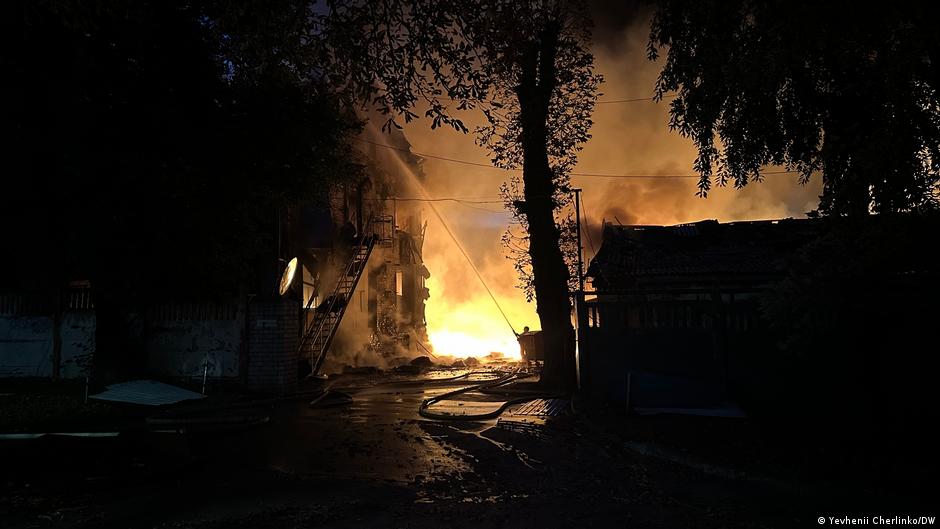
The latest strike took place overnight into Saturday, September 12, when four ballistic missiles hit the production site in the Ukrainian city of Zaporizhzhia, according to a company press release published the same day. The plant had already fully stopped operating after earlier attacks on August 11 and August 27, but at least four employees were on site during the September strike and were injured. Three of them required hospitalization.
The company said equipment in the blast furnace and open-hearth shops was damaged, along with the plant’s energy system and logistics infrastructure. For an industrial facility whose economics depend on continuous heavy production, those categories of damage point to risks extending well beyond a temporary suspension. They affect the ability to restart safely, move inputs and finished products, and maintain the energy-intensive systems required by steelmaking operations.
“The scale of destruction is growing with each strike. It is still impossible to assess it definitively, but preliminarily we qualify the damage as critical,” said Oleksandr Myronenko, chief operating officer of Metinvest Group.
Work is continuing at the plant to deal with the consequences of the strike and to examine damaged facilities in order to clarify the nature and scale of the destruction, the company said. For Metinvest’s management, the immediate task is damage assessment. The broader boardroom issue is how to plan capital allocation, workforce continuity and customer obligations around an asset that has now been hit three times in one month.
A Strategic Asset Under Repeated Attack
The first major missile attack on Zaporizhstal occurred overnight on August 11. Eight plant employees were killed and another 26 were injured. The equipment damage from that strike was serious enough for the steelworks to stop completely, while other production sites shifted to reduced capacity.
A second major attack followed on August 27. Zaporizhstal said five missiles hit the plant. No one was killed or injured in that strike, but the blast furnace shop, energy and transport infrastructure, and open areas of the enterprise were damaged. At the time, Myronenko said restart timelines existed only in theory, because another strike occurred just as crews had cleared debris from the previous one.
The September attack has therefore compounded damage at a plant that was already offline. From a corporate strategy perspective, this changes the nature of the problem. Management is not dealing with a single interruption and a linear recovery schedule. It is facing recurring attacks that make ordinary restart planning unreliable and require repeated reassessment of safety, engineering integrity and logistics capacity.
That uncertainty matters because Zaporizhstal is not a marginal facility in Ukraine’s industrial base. According to Zaporizhstal, the plant produced almost 3.568 million tonnes of pig iron and 3.212 tonnes of steel in 2025. Industry association Ukrmetallurgprom calculated that Ukrainian enterprises overall cast 7.884 million tonnes of pig iron and 7.409 million tonnes of steel that year. On those figures, the Zaporizhzhia plant accounted for more than 45 percent of all pig iron produced in the country and more than 42 percent of Ukrainian steel.
Those shares underline why the damage carries implications for supply chains and industrial policy as well as for Metinvest’s own operations. A prolonged outage at a facility of that scale can affect upstream suppliers, transport flows, downstream buyers and regional employment. It also places pressure on any other production sites operating at reduced capacity after the earlier attacks.
Workforce, Tax and Governance Stakes
Zaporizhstal also has an outsized role as an employer. In May 2026, the company said it topped the list of the largest employers in the Zaporizhzhia region, citing the annual ranking by Opendatabot, a service that provides access to Ukrainian state data on individuals and legal entities. At that time, the enterprise employed more than 8,000 people.
The company’s fiscal contribution further raises the stakes for local and national authorities. In 2025, the plant paid almost 2.7 billion hryvnias, or 52.34 million euros, in taxes to budgets at all levels. The interruption of such an enterprise therefore reverberates through public finances as well as through corporate accounts.
For executives and directors, the operational questions are now inseparable from governance obligations. The plant has suffered employee deaths and injuries, repeated physical damage and total production stoppage. Each new assessment will likely have to weigh employee safety, repair feasibility, insurance and financing considerations, and the practical limits of restoring heavy industrial operations under repeated missile attack.
The company has not provided a firm estimate of when production could resume. Based on its current statements, the central fact is that the damage from the latest strike is still being assessed, while the preliminary corporate view is that it is critical. For a steelmaker that represented a large share of Ukraine’s 2025 output and employed thousands in Zaporizhzhia, that assessment marks a serious escalation in both operational disruption and strategic uncertainty.