Russian Strikes Hit Ukrainian Logistics, Warehouses and Power Assets
Attacks across Odesa, Kyiv and Mykolaiv regions damaged delivery, storage and energy infrastructure, underscoring operational risks for Ukrainian businesses.
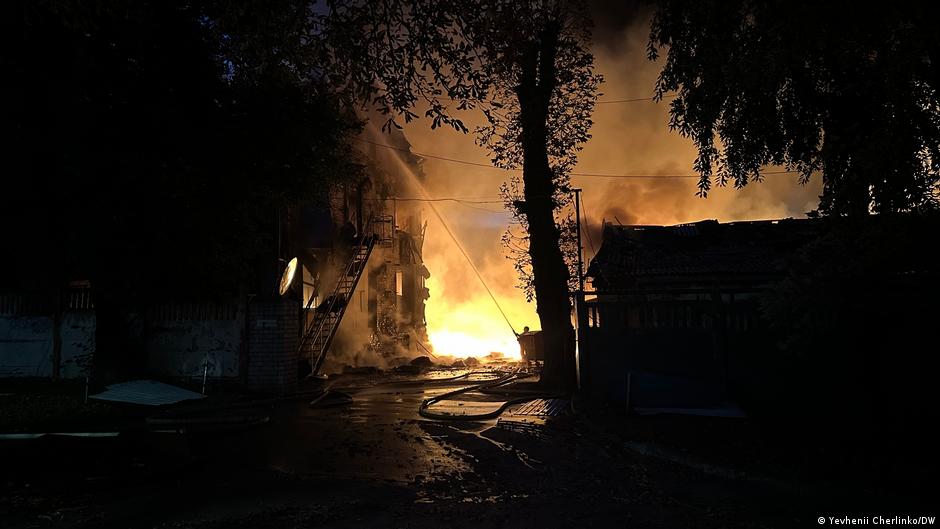
Russian forces attacked Ukraine’s Kyiv and Odesa regions, as well as the city of Mykolaiv, on the evening of September 12 and overnight into September 13, striking targets that included a Nova Poshta branch, warehouses, residential buildings and energy infrastructure. The reported damage offers a concentrated view of how the war continues to disrupt the physical systems that underpin commerce: logistics networks, storage capacity, housing stock and power supply.
In the Odesa region, two people were injured after a drone attack hit a Nova Poshta branch, according to regional officials and emergency services. The strike damaged the building’s facade, glazing and a cargo vehicle, said Odesa regional military administration head Oleh Kiper. For a company built around parcel delivery and freight movement, such damage is not merely a local property loss. It points to the wider exposure of last-mile and regional distribution assets in a wartime economy where civilian-facing logistics infrastructure remains vulnerable.
“The facade of the building, glazing and a cargo vehicle were damaged,” Kiper said.
The attack on Odesa also damaged a multi-story residential building, according to Serhiy Lysak, head of the city military administration. It was the second hit on an apartment building in the city within a single day. While the immediate significance is humanitarian, repeated damage to housing also has economic consequences: displacement, repair costs, municipal response burdens and pressure on local services all feed into the operating environment for employers, insurers, construction firms and public agencies.
Logistics And Storage Under Pressure
The damage reported in the Kyiv region centered on warehouse and storage facilities, another area of direct business relevance. According to the Kyiv regional military administration, strikes in the Boryspil district on the evening of September 12 damaged warehouse premises and caused a fire. In the Brovary district, a warehouse and a private home were damaged. No information about deaths or injuries was reported.
For companies operating in Ukraine, warehouses are more than passive real estate. They are part of inventory strategy, procurement planning, distribution timing and business continuity. Damage to such facilities can affect supply availability, insurance assessments, employee safety procedures and customer delivery commitments. Even when casualties are avoided, a fire at a storage site can force operators to reroute goods, delay shipments or relocate stock, especially in regions that serve major urban markets.
The Boryspil and Brovary districts are significant because they sit within the broader commercial orbit of Kyiv. Any disruption to storage and transport infrastructure around the capital can carry knock-on effects for retailers, manufacturers, distributors and service businesses that depend on predictable movement of goods. In boardroom terms, these incidents reinforce the need for redundancy: dispersed inventory, alternative routing, resilient vendor networks and clear contingency plans for staff and assets.
Kyiv Mayor Vitali Klitschko reported that air defense systems were operating and urged residents to remain in shelters. The Kyiv regional military administration also reported air alerts in different parts of the region overnight through its Telegram channel. For companies, repeated alerts are themselves a productivity and continuity challenge. They interrupt shifts, delay transport, complicate staffing and require employers to maintain shelter protocols for workers who may be on-site during attacks.
Energy Infrastructure Adds Another Layer Of Risk
In Mykolaiv, an evening attack on energy infrastructure partially cut power to several districts of the regional center, according to Heorhii Reshetilov, head of the local regional military administration. He said energy workers would begin restoring electricity as soon as the security situation allowed work to start. Reshetilov later wrote that the alert had ended, and then reported that an air alert had resumed.
For business leaders, the Mykolaiv power disruption highlights a familiar but persistent problem: energy infrastructure remains a critical vulnerability. Partial outages can affect manufacturing, refrigeration, payment systems, communications, transport coordination and municipal services. Companies with generators, backup connectivity and flexible scheduling may be better positioned, but each incident adds cost and complexity. For smaller businesses, even short interruptions can be material.
The sequence described by officials in Mykolaiv also illustrates the operational uncertainty created by repeated alerts. Repair crews cannot safely restore service until conditions permit. That means restoration timelines can be shaped as much by security conditions as by technical damage. For executives, investors and lenders assessing Ukrainian exposure, that distinction matters. The risk is not limited to damaged equipment; it includes delays in access, constrained repairs and recurring interruptions.
Across the affected regions, the pattern of damage shows how military attacks intersect with civilian and commercial systems. A parcel branch, cargo vehicle, warehouses, private homes, apartment blocks and power infrastructure are different categories of assets, but together they form the daily architecture of economic activity. Their vulnerability has implications for insurance markets, logistics planning, corporate security budgets and public-private coordination.
The latest reported strikes did not produce confirmed reports of deaths in the Kyiv region, and officials said two people were injured in the Odesa region attack on the Nova Poshta branch. But the absence of larger casualty figures does not eliminate the business impact. In Ukraine’s wartime economy, physical damage, temporary outages and repeated alerts all compound into a standing cost of operations.
For American business readers, the boardroom lesson is straightforward: the war’s commercial risks are highly practical. They involve the location of warehouses, the resilience of delivery fleets, the availability of electricity, the safety of employees and the ability to keep customers supplied under uncertain conditions. Each reported strike adds another data point for companies evaluating whether to maintain, expand, insure or finance operations in Ukraine.