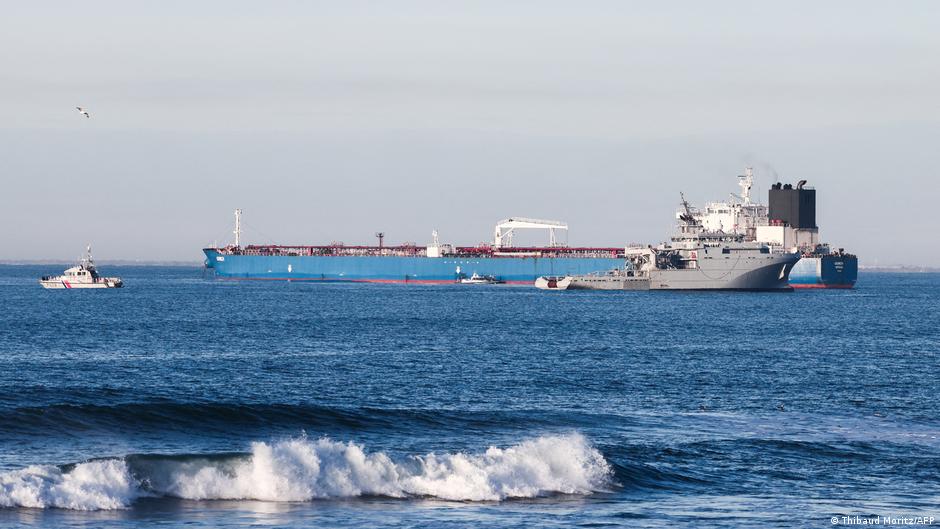
Houthi Capture of Mocha Raises Boardroom Risks Around Red Sea Oil Routes
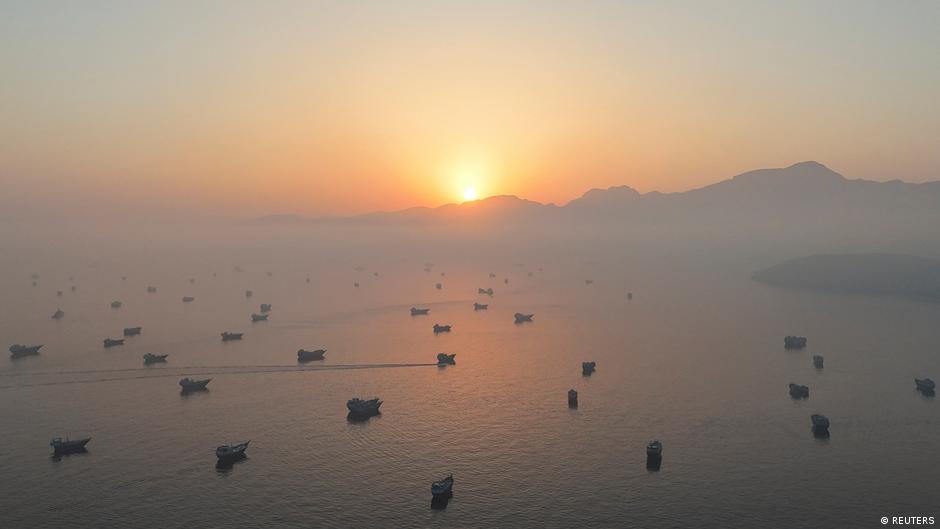
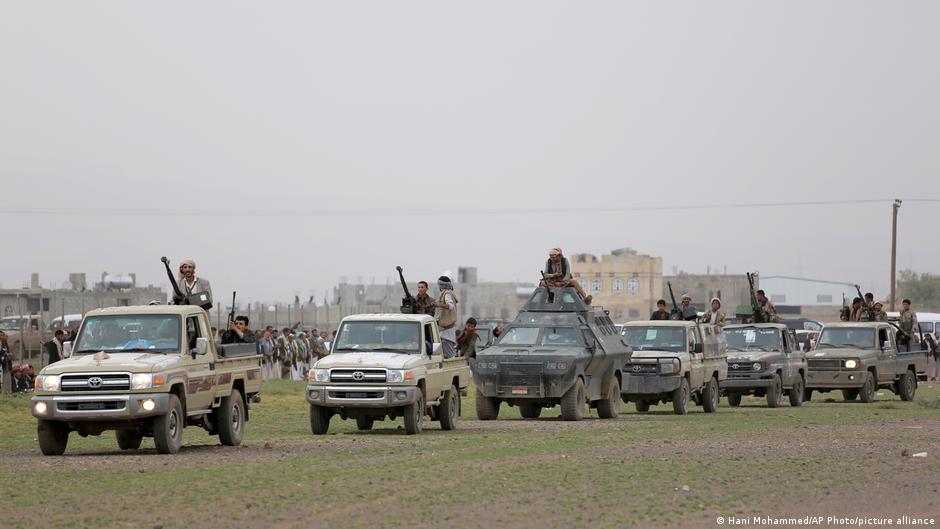
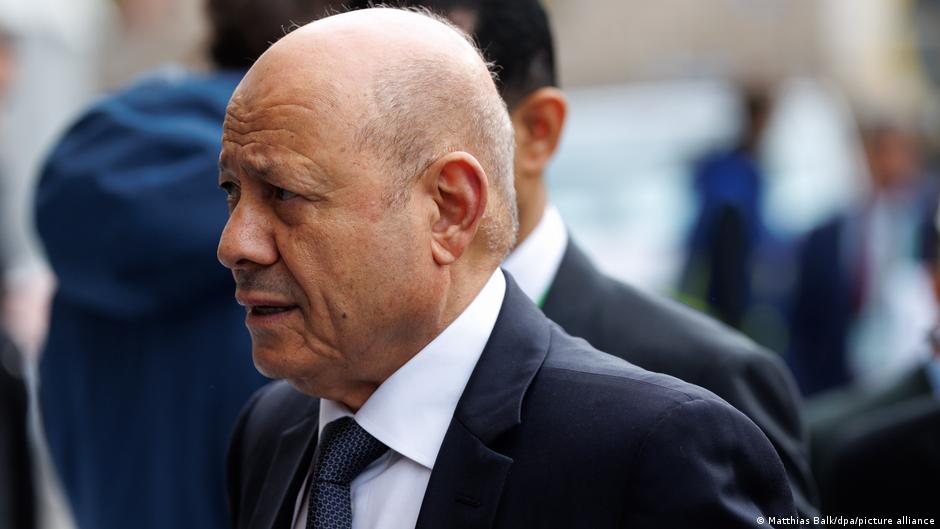
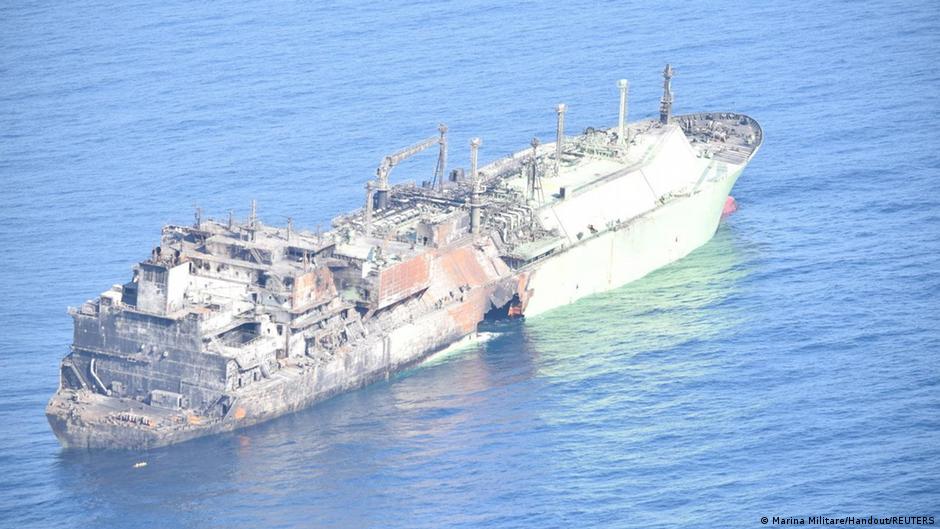
Houthi control of Mocha heightens risks around Bab el-Mandeb, a Red Sea route central to oil supply, shipping decisions and U.S. Iran strategy.

Houthi control of Mocha heightens risks around Bab el-Mandeb, a Red Sea route central to oil supply, shipping decisions and U.S. Iran strategy.

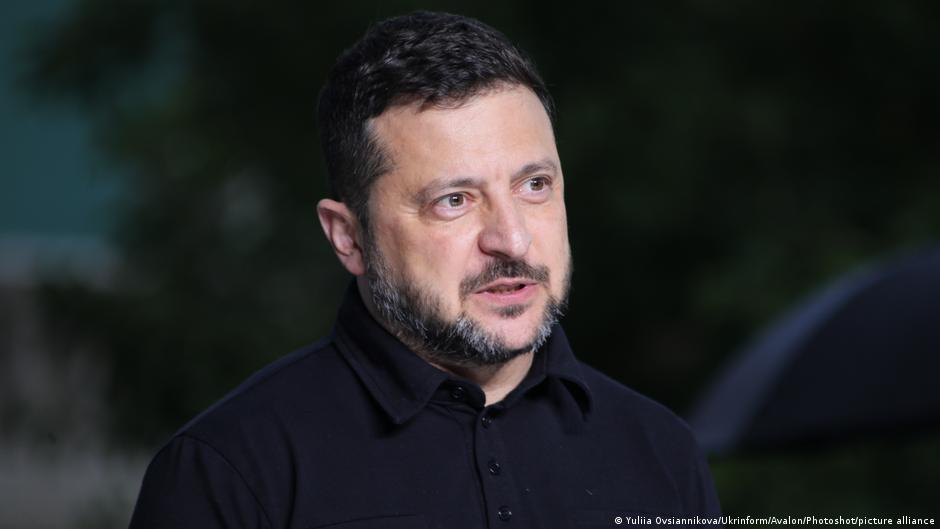
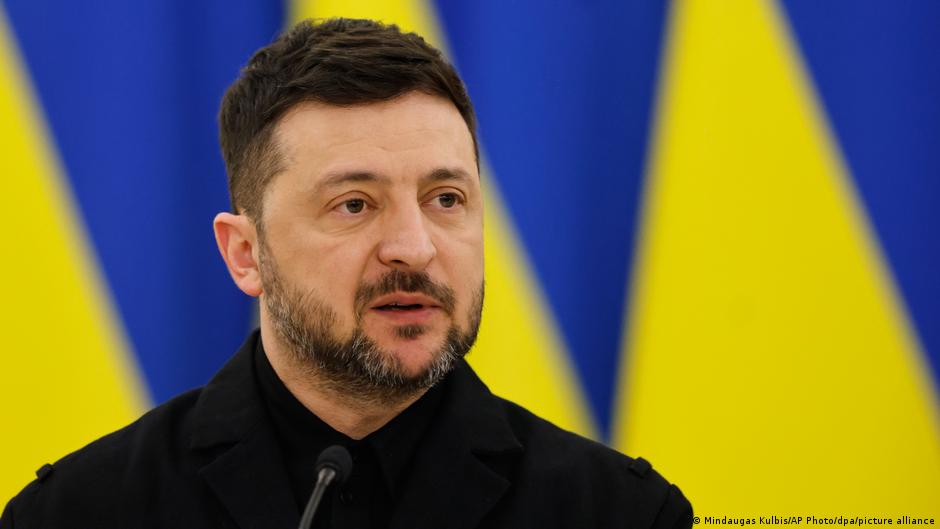
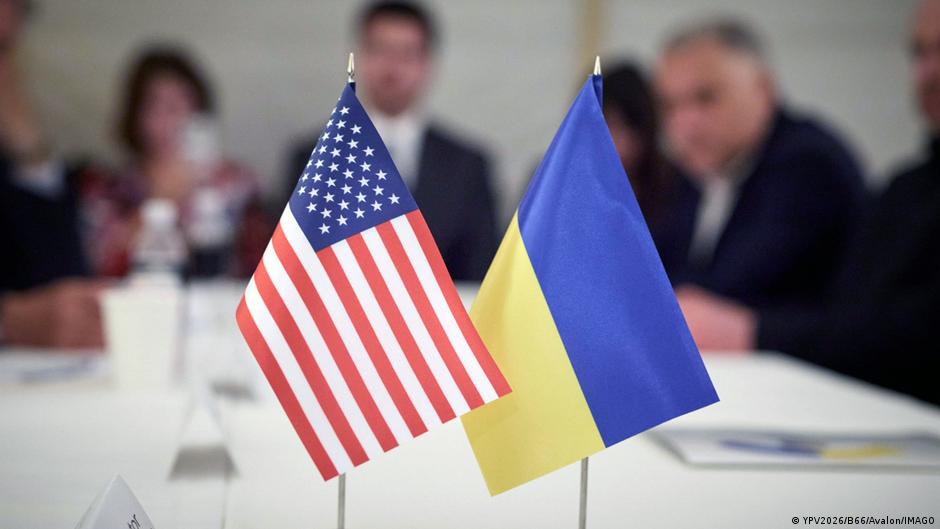
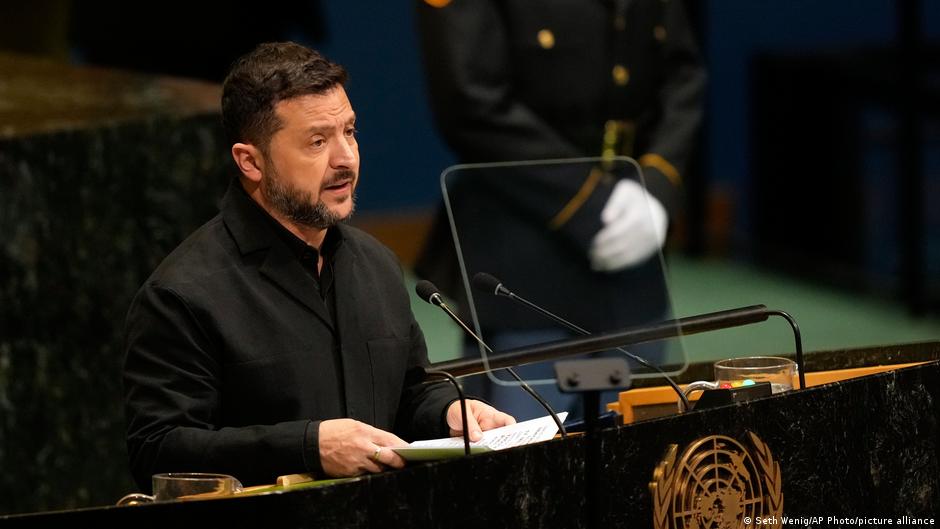
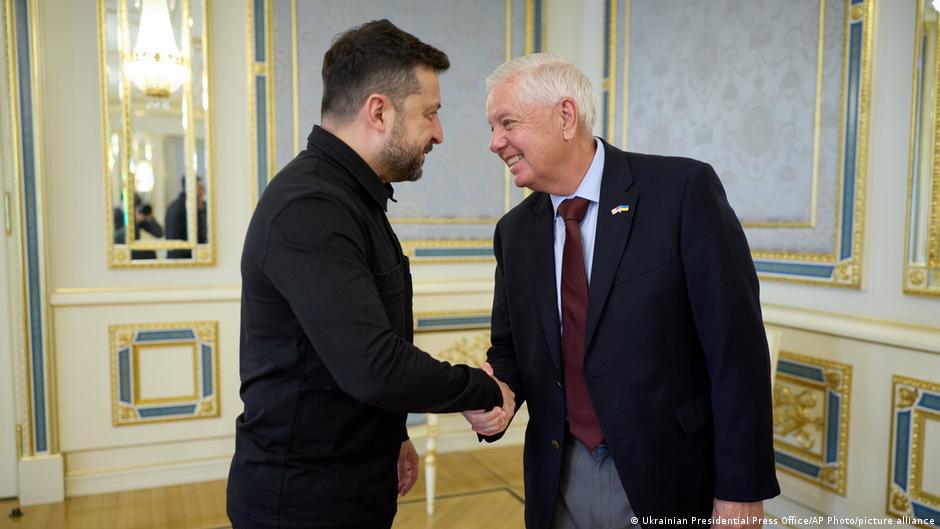
Zelensky expects late-September talks with U.S. officials on energy security, grain exports and Russia’s pressure on Ukraine.
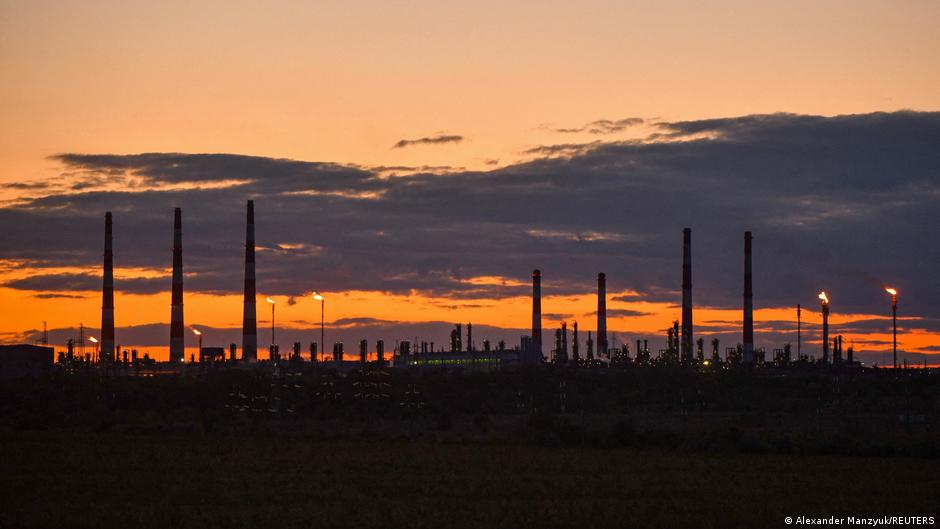
A first reported drone strike on Russia’s Yamal gas region raises new security and strategy questions for energy executives.

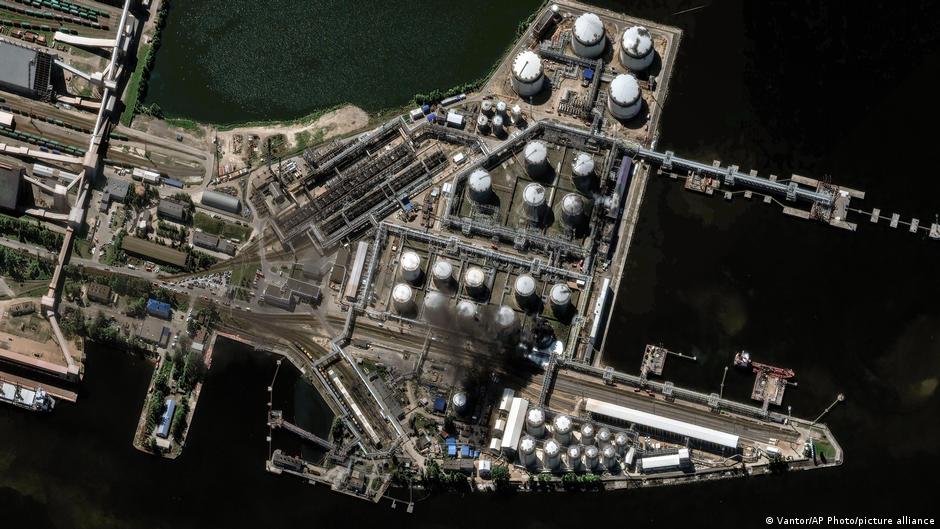
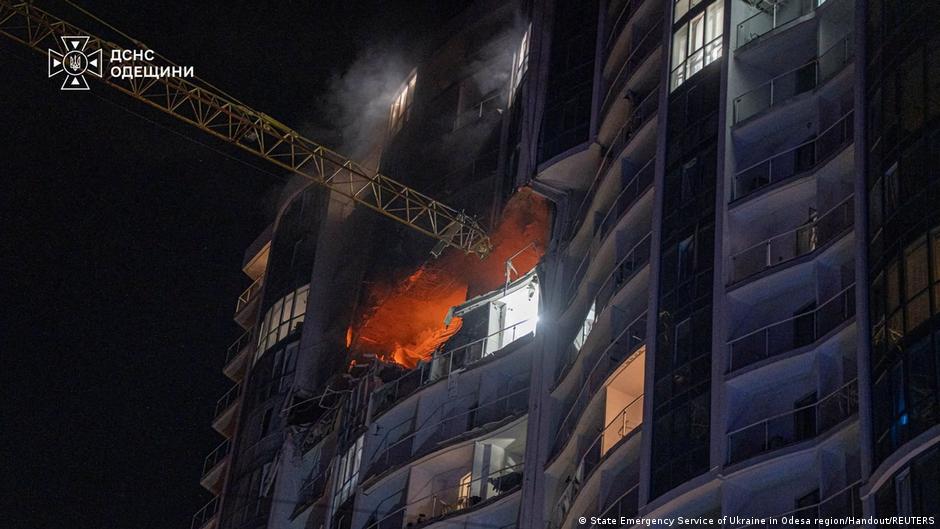
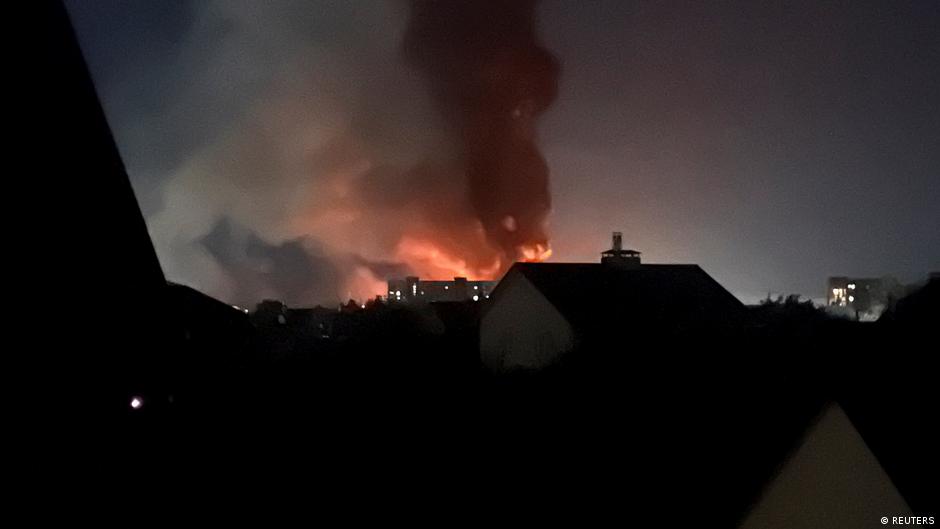
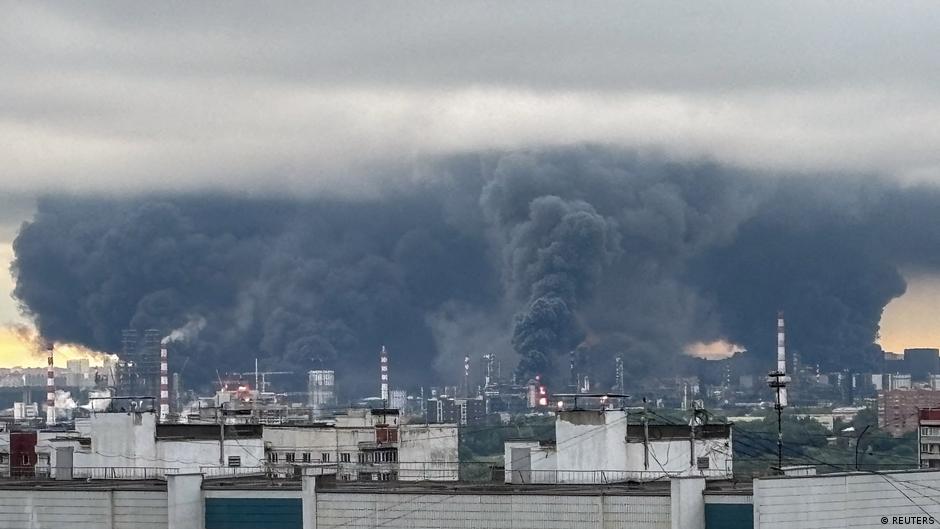
A drone attack on Novorossiysk reportedly caused fires at a fuel oil terminal and residential building, renewing concerns over Russia’s key export hub.

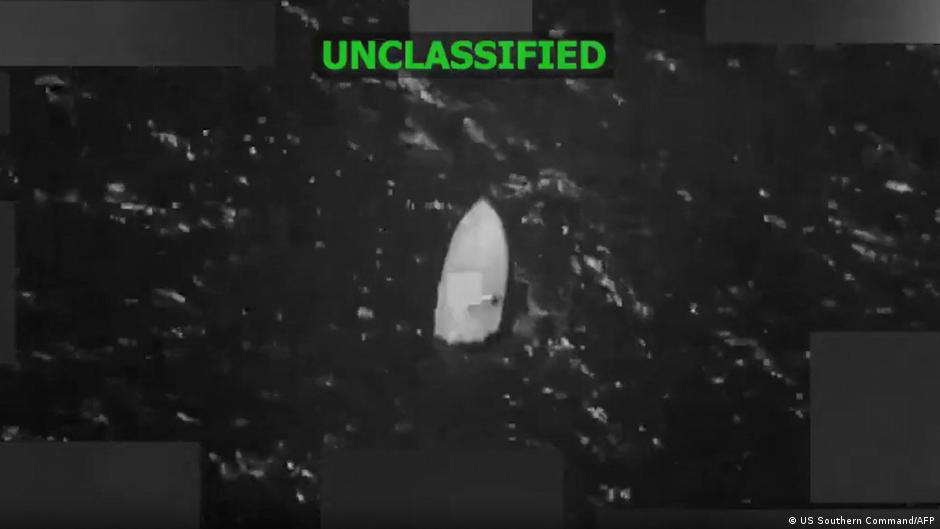
CENTCOM said U.S. forces destroyed five Iranian oil tankers after ballistic missile attacks on a Navy ship, escalating risks around Hormuz.

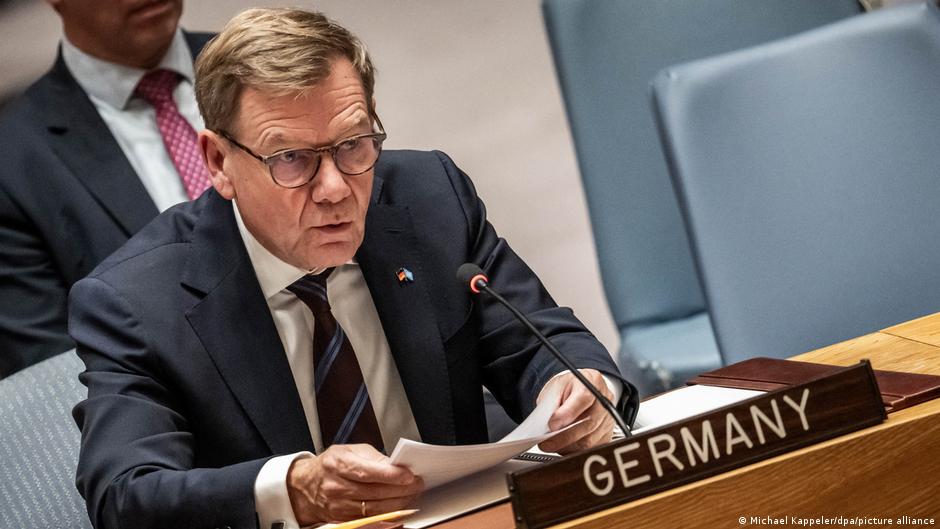
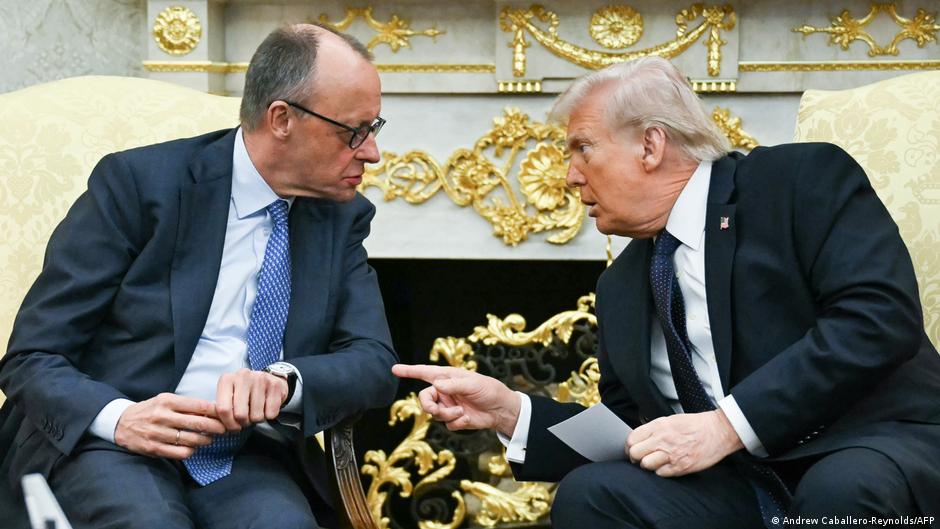
Johann Wadephul said German defense firms should benefit from Berlin’s support for Ukraine and participate in procurement tied to aid.

AfD’s projected win in Saxony-Anhalt drew alarm from Poland and France, praise from Czechia, and new political-risk questions for Europe.

AfD won 43.8% in Saxony-Anhalt, but coalition barriers and BSW leverage leave the German state facing a difficult government formation process.

Germany plans a broad anti-sabotage shield that would enlist critical infrastructure companies in drone and cyber defense.

Latvia says a suspect in the Leipzig airport sabotage case had lived in Russia, as the investigation deepens scrutiny of aviation, logistics and security.

Norway has detained a Russian research vessel in Svalbard as Naftogaz intensifies its campaign to enforce a Hague arbitration award against Russia.

The US has removed Syria from its terrorism sponsor list, signaling a strategic shift with significant implications for business investment and Middle East geopolitics.

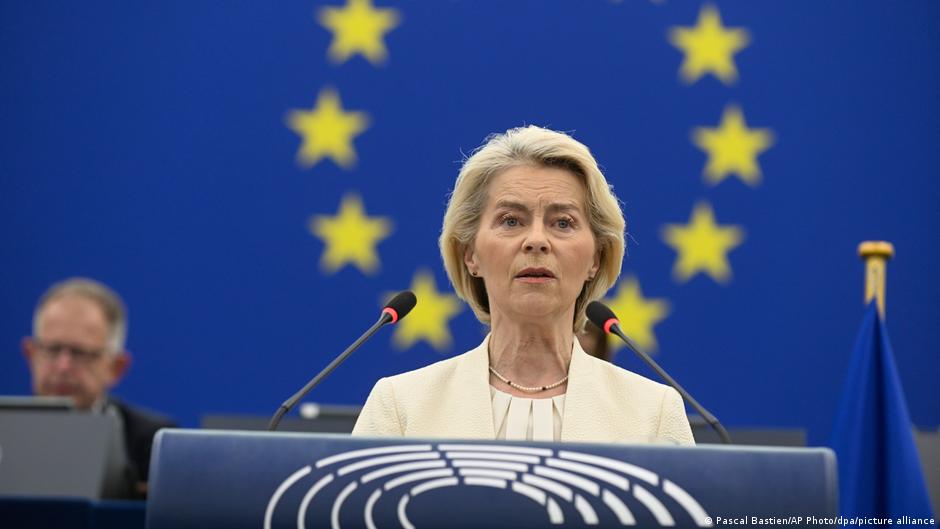
European Council President António Costa reiterates the EU's enduring support for Ukraine, emphasizing sanctions on Russia and Ukraine's future EU integration amid ongoing war and reconstruction.

NATO has reaffirmed its readiness to defend member states after reports of Iranian plans to target military bases in Bulgaria and Cyprus amid escalating regional tensions.

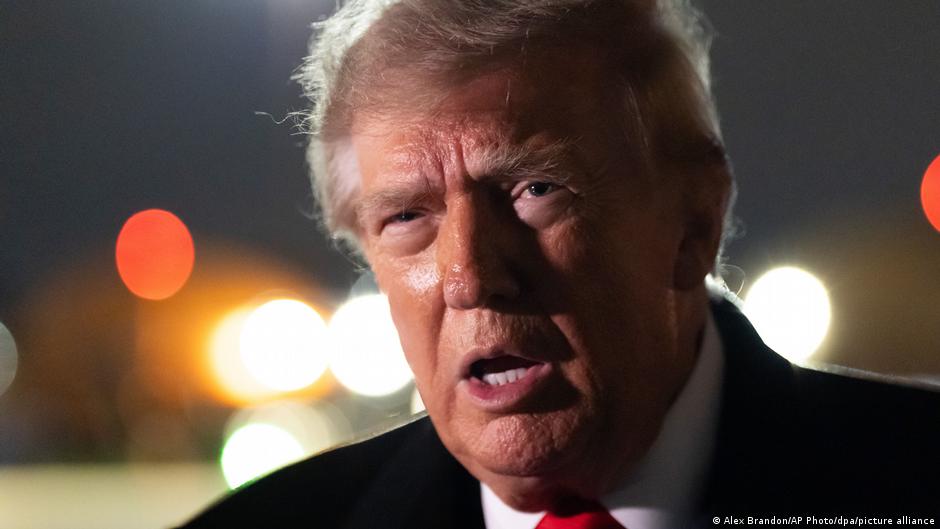
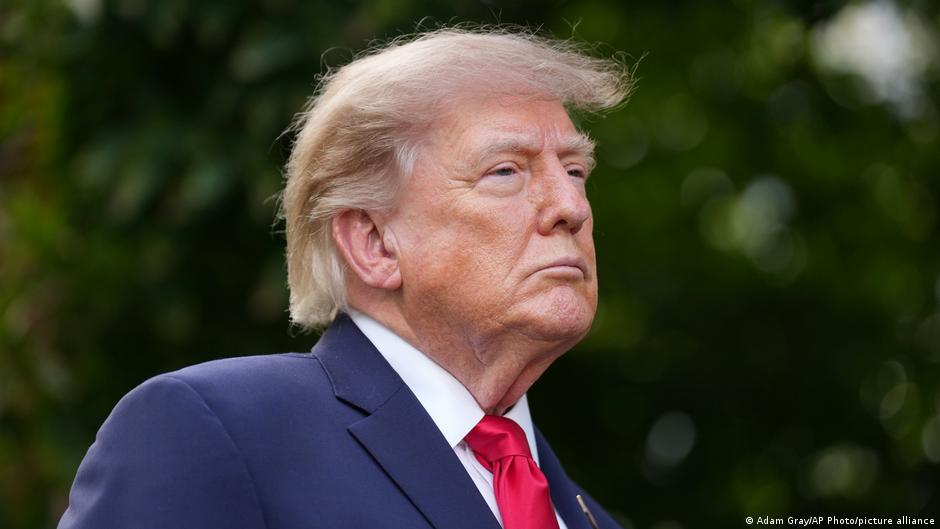
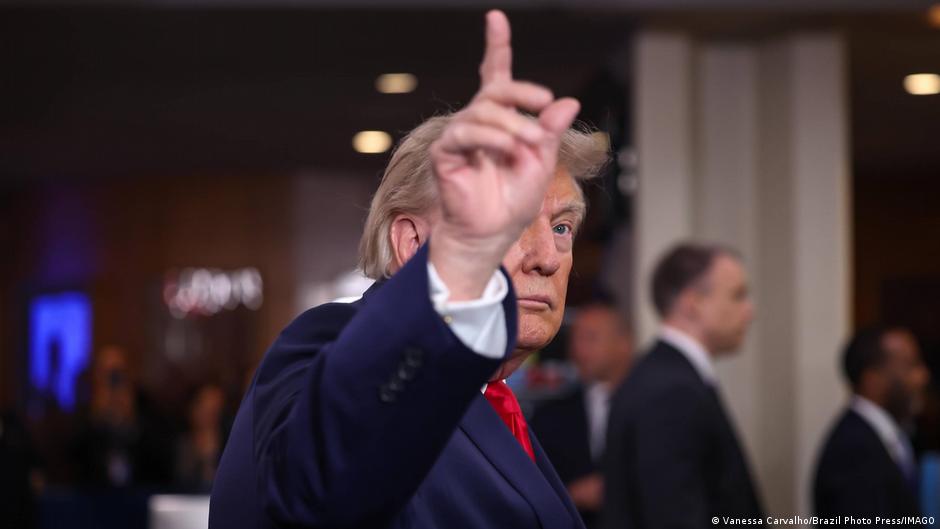
President Trump announces an unprecedented economic sanctions campaign against Iran, threatening massive penalties for any nation supporting Tehran amid heightened geopolitical tensions.

President Trump threatens Oman with bombing if it disrupts US-Iran talks over the Strait of Hormuz, as regional tensions and military actions escalate in the Gulf.

President Trump plans to declare the Strait of Hormuz U.S. territory, signaling indefinite military deployment amid ongoing U.S.-Iran tensions over the strategic waterway.

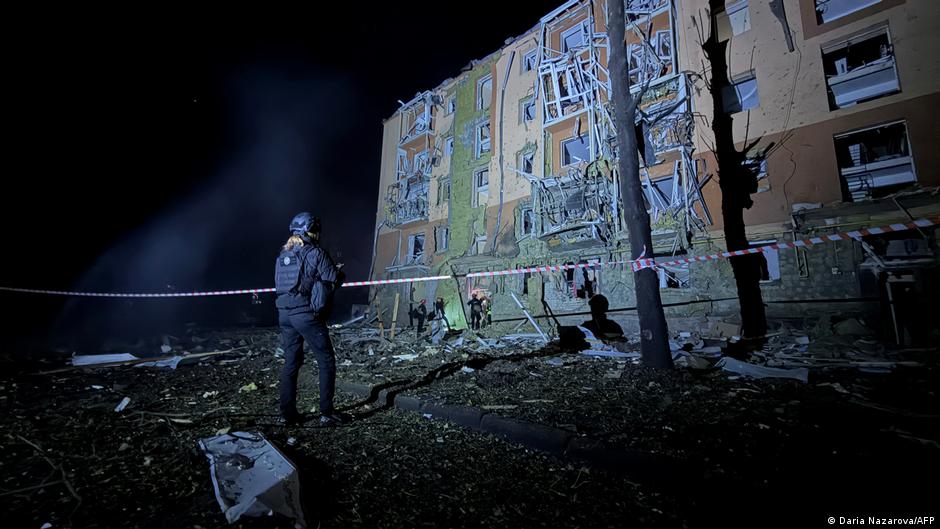
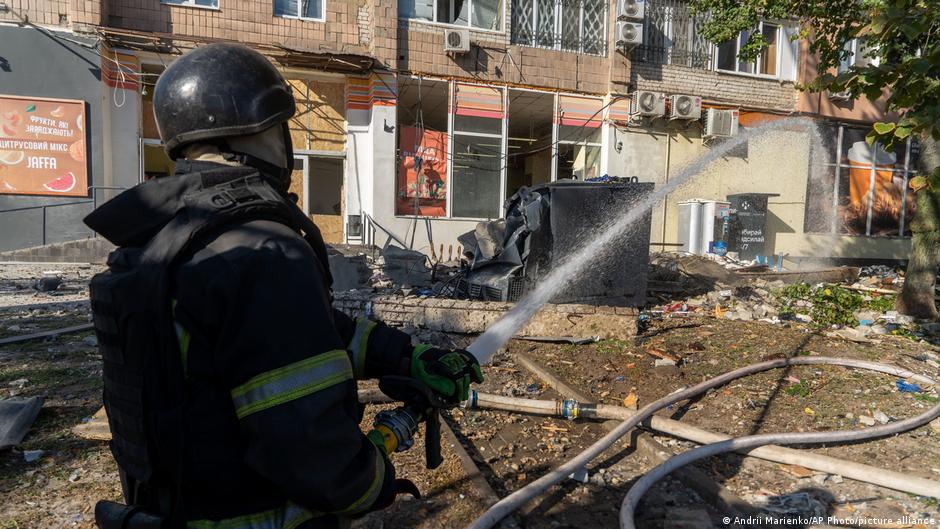
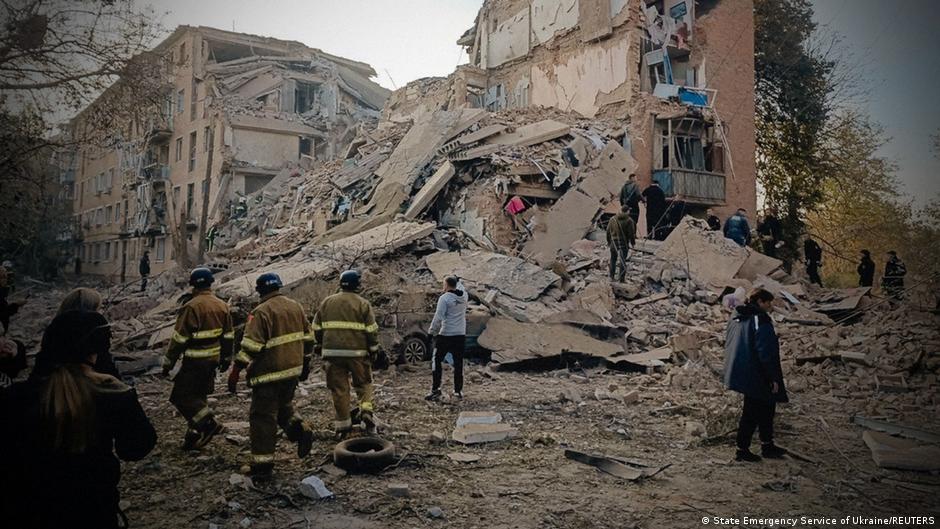
Russian air strikes on Kramatorsk and Bilenkoye resulted in one death and 15 injuries, further destabilizing eastern Ukraine and impacting local business operations.

Caroline Leavitt resigns as White House Press Secretary to devote more time to family, signaling a shift in the administration's communications strategy amid upcoming elections.

Ukrainian forces report damaging four Russian warships and key port facilities in Novorossiysk, impacting Russia's naval capabilities and regional infrastructure.

US forces disabled the steering of a Panamanian-flagged container ship attempting to breach Iran's blockade, reinforcing US control over the Strait of Hormuz amid rising tensions.

A Ukrainian drone attack on Belgorod injured 13 people and damaged residential buildings near the local FSB office and thermal power plant, raising concerns over critical infrastructure security.

The US Senate approves a broad sanctions package targeting Russian officials, energy exports, and financial networks, reinforcing transatlantic efforts amid the Ukraine crisis.

Ukrainian President Zelensky's first post-war visit to Serbia includes talks with President Vucic focused on economic ties, security, and EU relations amid Serbia's complex stance on Russia.

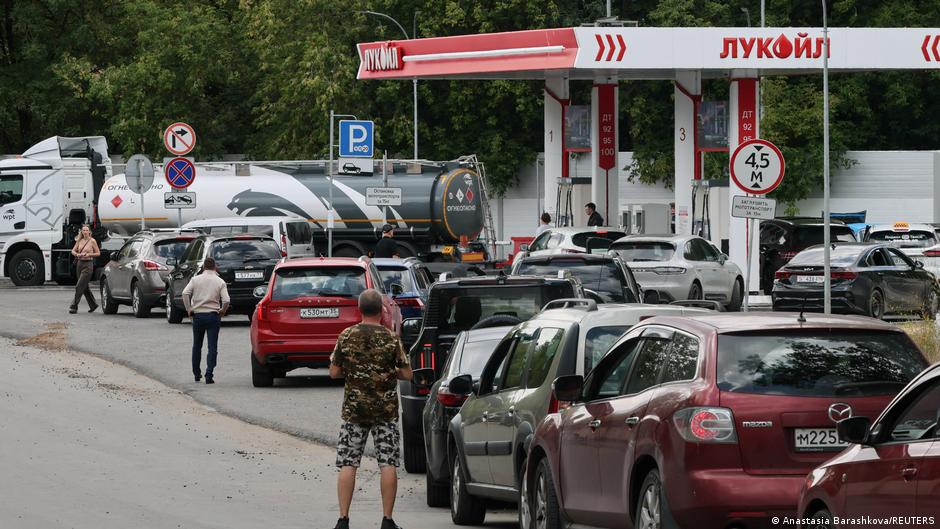
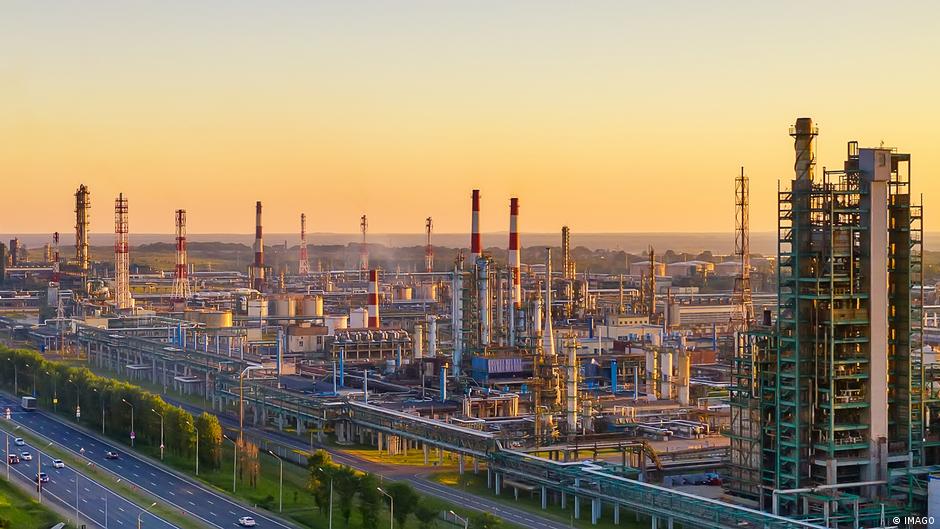
Russia permits sale of lower-grade Euro-2 to Euro-4 fuels until 2027 amid refinery disruptions, balancing fuel availability with environmental concerns.

Ukraine’s Security Service reported a 40-day operation striking over 100 strategic Russian targets, focusing on military and energy infrastructure to pressure Russia toward peace.

Russia redeploys its Northern Fleet's Admiral Levchenko to the Baltic Sea near Germany, reinforcing maritime security for its shadow fleet amid ongoing geopolitical tensions.

President Trump announces new U.S.-Iran negotiations starting August 3, postponing military strikes to focus on diplomatic solutions amid ongoing tensions.

The Zaporizhzhia nuclear plant experienced its 23rd power outage since the conflict began, raising significant safety and strategic concerns for regional energy supply and nuclear operations.

NATO is considering deploying tactical nuclear weapons in Finland, Poland, and Lithuania amid rising security concerns from Russia’s actions in Eastern Europe.

US forces intercepted ballistic missiles launched by Iran targeting Middle East bases, signaling renewed regional tensions amid strategic resource considerations.

The U.S. Senate advances a bipartisan sanctions bill empowering the President to impose steep tariffs on Russia, impacting energy trade and corporate risk strategies.

Austria plans to extend mandatory military service to nine months, enhancing training and pay amid growing security threats and geopolitical tensions in Europe.

Ukraine's Zelensky warns Russia plans to expand military mobilization in fall 2026 and may enlist 30,000 North Korean troops, signaling increased conflict intensity and geopolitical risks.

Drone strikes targeted Russian cities Belgorod and Rostov-on-Don and the Engels military airbase, raising concerns over energy infrastructure and strategic bomber capabilities.

Russia's oil and gas revenues in July may rise 60% year-on-year due to higher global prices, despite ongoing sanctions and a year-to-date revenue decline.

Russia’s oil product production index fell nearly 22% in June amid operational disruptions from conflict-related attacks, impacting supply and pricing dynamics.

Iran’s Revolutionary Guards attack a Greek-owned oil tanker in the Strait of Hormuz, signaling increased maritime risks and strategic shifts affecting global oil transport.

The Russian State Duma amended the fuel dampener and trading rules to enhance domestic fuel supply and price stability amid export restrictions and refinery disruptions.

The US military has conducted its 11th consecutive night of strikes on Iranian military targets to curb threats to commercial shipping in the Strait of Hormuz amid escalating hostilities.

The US military has conducted ten consecutive days of strikes against Iranian targets, escalating tensions in the Persian Gulf as Tehran retaliates with drone and missile attacks.

The US government imposes 50% tariffs on Canadian imports including wine and cement, escalating trade tensions and challenging the USMCA trade framework.

The IMF has approved a $690 million tranche to Ukraine under its four-year EFF program, acknowledging solid macroeconomic management despite delays in structural reforms amid ongoing conflict.

US forces continue nightly strikes against Iran, with Iranian counterattacks targeting US bases and disrupting critical energy shipping routes in the Strait of Hormuz.

The Trump administration is poised to permit Saudi Arabia uranium enrichment without strict IAEA safeguards, potentially enabling Riyadh's pathway to nuclear weapons amid geopolitical tensions.

US military strikes on Iranian infrastructure escalate tensions, prompting Iranian retaliation and regional security alerts, with significant implications for global energy markets.

President Zelensky has nominated Sergey Koretsky as Ukraine's new prime minister, with parliament expected to approve the government reshuffle on July 16, including key defense ministry changes.

The US is negotiating to restore an Iraq-Syria oil pipeline to bypass the Strait of Hormuz, aiming to reduce Iran's influence and secure alternative energy export routes.

The US has launched strikes against Iran to prevent attacks on civilian shipping in the Strait of Hormuz, escalating tensions with significant business and geopolitical implications.

The US launched a third wave of strikes on Iran after the IRGC attacked a civilian container ship in the Strait of Hormuz, leading to the strategic waterway's closure and escalating regional tensions.