Trump Administration Threatens Ukraine Arms Program Amid Refinery Strike Dispute
The reported pressure campaign links U.S. weapons supply decisions to Kyiv’s attacks on Russian refineries and a contested energy truce.
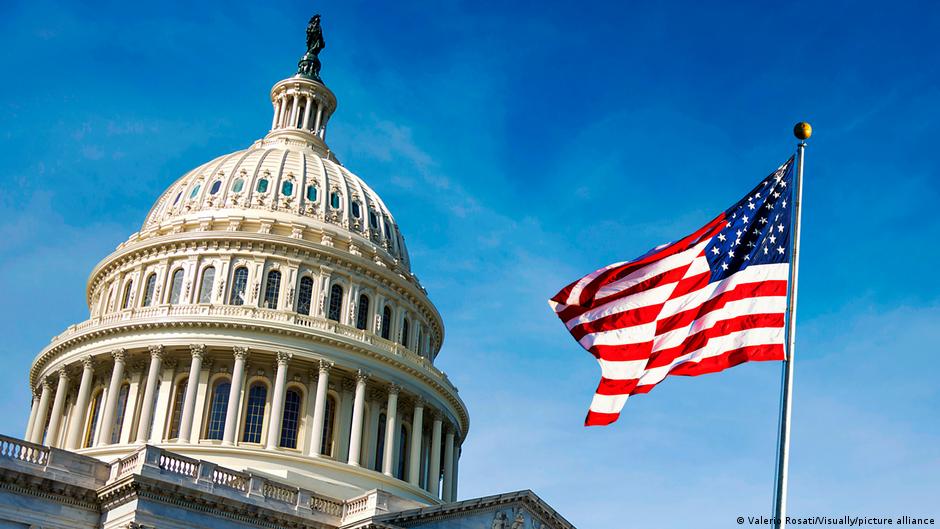
The Trump administration is threatening to block the PURL weapons supply program for Ukraine in an effort to pressure Kyiv into ending strikes on oil refineries inside Russia, according to a report by the Financial Times. The reported move places a core military support mechanism at the center of a broader U.S. push to shape Ukraine’s battlefield conduct and test whether Washington can use arms logistics as leverage in wartime diplomacy.
The program, known as PURL, or the Prioritized Ukraine Requirements List, has become a critical channel for supplying Kyiv with weapons. The threat to halt or obstruct it would therefore carry consequences beyond a single shipment or tactical dispute. For Ukraine’s leadership, it would raise questions about the reliability of U.S. support at a moment when the White House is trying to enforce what President Donald Trump described as an energy ceasefire between Russia and Ukraine.
According to the report, officials from the Trump administration have been calling counterparts in Kyiv and Europe with warnings about the program. One official who said he received such a call from a U.S. Defense Department representative described a broad outreach effort.
“They are calling Kyiv... they are calling everyone,” the official said, referring to contacts in Europe.
One of the people contacted by U.S. officials was Pavlo Palisa, a military adviser to Ukrainian President Volodymyr Zelensky and a former commander of Ukraine’s 93rd Separate Mechanized Brigade, the Financial Times reported. The White House declined to confirm or comment on the information.
Arms Supply as Strategic Leverage
For U.S. policymakers, the reported threat reflects a boardroom-style calculation applied to national security: identify the point of dependency, apply pressure, and seek behavioral change. In this case, the dependency is Ukraine’s access to weapons through PURL. The behavior Washington is reportedly seeking to stop is Kyiv’s targeting of Russian oil refineries, a campaign that has carried military, economic and diplomatic significance.
Ukraine has used strikes on Russian energy infrastructure to impose costs on Moscow and disrupt the systems that support Russia’s war effort. The Trump administration’s reported concern appears to be that such attacks could undermine a limited energy ceasefire that the president says both sides have accepted. That creates a strategic tension for Kyiv’s leadership: the very actions Ukraine views as part of its defensive campaign may now risk complicating its relationship with its most important weapons supplier.
Trump said on October 11 that Russia and Ukraine had agreed to an energy truce. In a post on Truth Social, he wrote that an energy ceasefire in the war between Russia and Ukraine was taking effect and that both sides had agreed to it. He also warned the parties not to violate it.
Zelensky, who has repeatedly called for a mutual ceasefire covering energy targets, initially told a journalist from the news outlet Axios that he knew nothing about the partial truce but would support it if Russia agreed. Later, he said Ukrainian authorities were waiting for details from the American side.
“The Armed Forces of Ukraine have received all orders. We support all steps by partners that can help us. We are waiting for clear details of America’s dialogue with Russia and for Putin to fulfill what President Trump said,” Zelensky later added, referring to Russian President Vladimir Putin.
Uncertainty Inside Kyiv and Washington
The reported pressure campaign has exposed a gap between Trump’s public declaration and what Ukrainian officials say they understand about the arrangement. A senior Ukrainian official close to Zelensky told the Financial Times that nobody had heard of the truce. That lack of clarity matters because ceasefire commitments, even partial ones, require operational definitions. Officials would need to know which facilities are covered, when restrictions begin, how violations are verified, and what consequences would follow.
From a corporate strategy perspective, the dispute resembles a breakdown between principals over execution terms. Trump has announced a deal or understanding; Ukraine is asking for the details; and U.S. officials are reportedly warning that a weapons pipeline could be blocked if Kyiv does not comply with Washington’s expectations. For allied governments in Europe, the reported calls suggest that the White House is also seeking to align external stakeholders around its position, or at least prevent them from undercutting it.
The White House did not respond to journalists when asked whether Trump would listen to Zelensky’s proposal to force Putin to agree to a full 60-day ceasefire so Ukraine could hold elections, according to the report. That unanswered question points to the larger strategic issue now facing Ukraine and its partners: whether Washington’s pressure is aimed at a narrow pause in energy infrastructure attacks or at a broader diplomatic framework that would reshape the war’s next phase.
For Kyiv, the immediate boardroom implication is risk management. Ukrainian officials must weigh the operational value of refinery strikes against the potential cost of jeopardizing a weapons support program. For the Trump administration, the reported threat tests whether coercive leverage over an ally can produce a diplomatic outcome without damaging trust in U.S. commitments. For Europe, the calls described in the report signal that the United States may expect partner governments to support, or at least respect, a new boundary around Ukraine’s military campaign.
The White House’s refusal to confirm or comment leaves key elements unresolved. Still, the reported linkage between PURL and Ukraine’s refinery strikes suggests that Washington is prepared to bring supply-chain pressure into the center of its Ukraine policy. That decision, if carried through, would reverberate through military planning in Kyiv, diplomatic coordination in Europe and the internal calculations of a U.S. administration seeking to claim movement toward a ceasefire.