Zelensky Casts Putin as War’s ‘Patient Zero’ in UN Appeal on Russia Costs
Ukraine’s president used the UN General Assembly to frame Russia’s war as a strategic liability draining Moscow’s oil revenues, manpower and global standing.
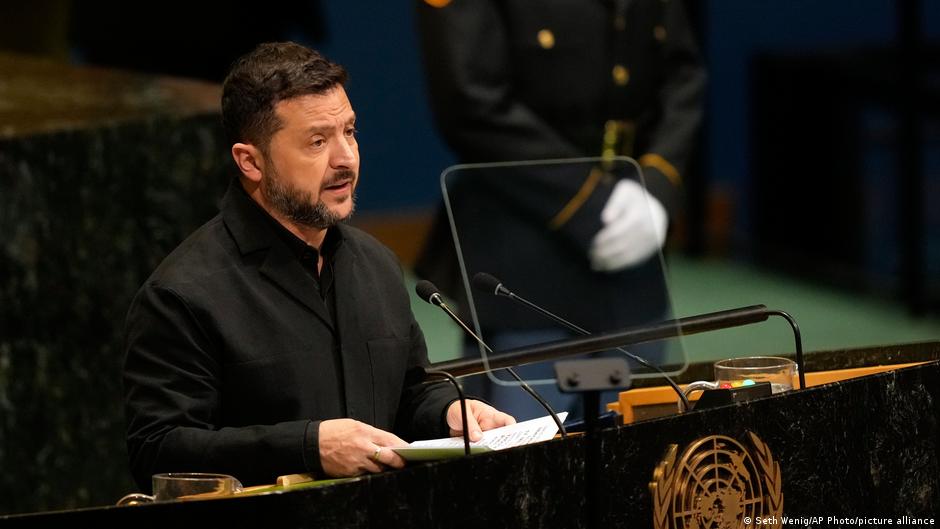
Ukrainian President Volodymyr Zelensky used his address to the United Nations General Assembly in New York on Wednesday, September 23, to sharpen a message aimed not only at diplomats but at the strategic calculations behind Russia’s war: Vladimir Putin, he argued, has become the origin point of an idea that is spreading instability far beyond Ukraine.
Zelensky described the Russian president as “patient zero” for the idea of war, saying that wherever that idea travels it brings “only pain, instability, new risks and, of course, new crises.” The formulation was designed to cast Moscow’s invasion not as a regional conflict but as a contagion with political, economic and security consequences for governments, companies and markets outside the battlefield.
“He needs to be prevented from acting and denied the opportunity to spread this evil further,” Zelensky said, referring to Putin.
For an American business audience, the speech underscored a central theme of Ukraine’s wartime diplomacy: the conflict is increasingly being argued in balance-sheet terms. Zelensky linked battlefield developments, energy infrastructure, oil exports and artificial intelligence to a broader case that Russia’s strategy is imposing mounting costs on its own state capacity while raising risks for the international system.
Oil, War Financing and Strategic Pressure
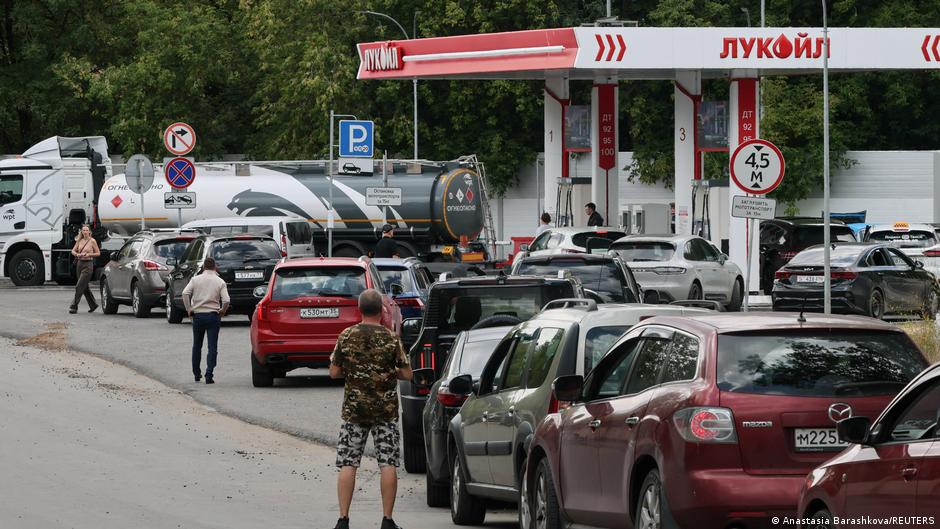
Zelensky said that for the first time in Russia’s history, the country’s “pride,” its oil industry, is operating “on its last legs.” He called it difficult to imagine “a more humiliating defeat” for a country with a permanent seat on the UN Security Council and one that has long taken pride in its oil exports.
The statement went to the heart of Ukraine’s strategic approach toward Russia’s economic base. Zelensky emphasized that oil itself is not Ukraine’s target, nor are gasoline, diesel fuel, plants or ports as standalone assets. Instead, he said, Kyiv’s objective is Russia’s ability to finance the war and prolong it.
That distinction matters for policymakers and executives watching the war’s impact on energy markets, sanctions compliance, logistics, insurance and commodity pricing. Zelensky’s argument positioned pressure on Russian energy infrastructure and revenue streams as part of a wider effort to alter the Kremlin’s incentives, rather than as an isolated campaign against industrial assets.
The remarks also carried boardroom implications for companies exposed to energy volatility or geopolitical risk. Russia’s ability to monetize oil exports has remained a critical factor in its war effort. Zelensky’s framing suggested that Ukraine sees the financial machinery supporting the invasion as a legitimate strategic pressure point, especially if Moscow continues attacks on Ukrainian infrastructure.
Winter Energy Risks and Retaliatory Signals
Zelensky warned that if Russia continues to attack Ukraine’s power system and heating infrastructure, Kyiv will try to ensure that Russia’s “General Frost” switches sides this winter. The phrase referred to the possibility of retaliatory strikes, while invoking the long-standing Russian idea that winter conditions can favor Moscow in war.
The comment was both military and economic. Energy infrastructure remains central to civilian resilience, industrial output and public finances in Ukraine. Repeated attacks on grids and heating systems can disrupt business activity, strain government budgets and increase humanitarian needs. Zelensky’s warning signaled that Ukraine may respond in ways intended to impose reciprocal costs on Russia’s own energy and logistical systems.
For global businesses, winter escalation would deepen uncertainty around energy supplies, shipping routes, sanctions enforcement and political risk across Europe. The conflict has already required companies to reassess exposure to Russia, supply-chain dependencies and compliance programs tied to restricted entities, commodities and financial flows.
Zelensky also cited battlefield casualty figures to argue that Russia’s war is strategically irrational. From January through August, he said, Russian armed forces lost 248,964 people on the battlefield in Ukraine. “Putin pays 248 people for every kilometer. Does anyone still consider him reasonable?” Zelensky asked. He added that citizens of 47 other countries are fighting on Russia’s side and also dying on the battlefield.
The casualty figure was deployed as a governance argument: Zelensky portrayed Putin’s decision-making as detached from rational cost-benefit analysis. In corporate terms, it was an indictment of leadership that continues to allocate enormous human and economic resources to a strategy whose returns are, in Ukraine’s telling, diminishing.
Artificial Intelligence and the Next Phase of War
Zelensky also raised a forward-looking risk that will resonate in sectors far beyond defense: the role of artificial intelligence in battlefield decision-making. He warned that as soon as next year there is a real probability that decisions on the battlefield will begin to be made by artificial intelligence, not only by humans.
“We need peace before we reach that point,” he said.
The warning placed the Ukraine war within a fast-moving technological context. For defense contractors, software companies, regulators and investors, the prospect of AI-assisted or AI-directed combat decisions raises questions about accountability, escalation control, procurement, export controls and legal frameworks. Zelensky’s point was that the longer the war continues, the more likely it becomes a testing ground for systems that could redefine military command and operational tempo.
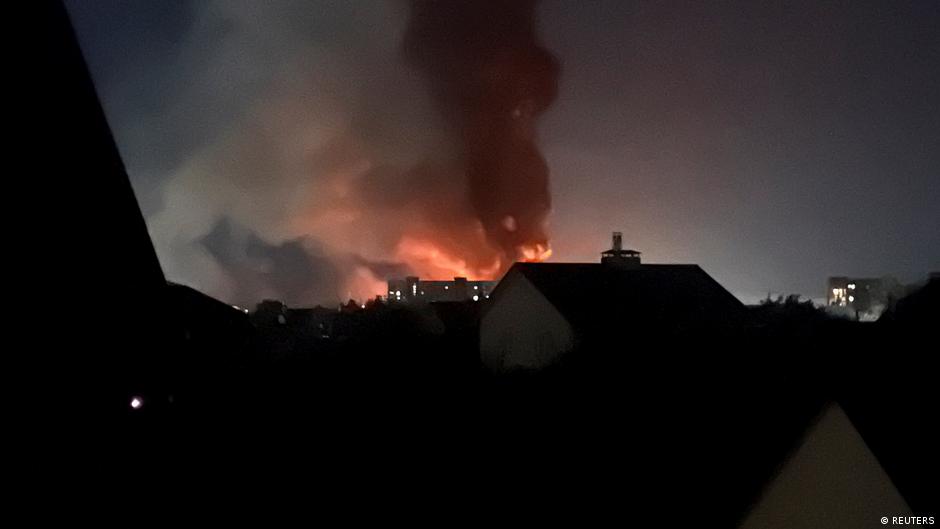
His address came against the backdrop of intensifying Russian strikes. According to an analysis by AFP, the first 18 days of September saw more Russian strikes than any full month since the beginning of the war in Ukraine, with the exception of March 2022. The data point reinforced Zelensky’s argument that the conflict is not winding down and that pressure on Ukraine’s infrastructure and population remains severe.
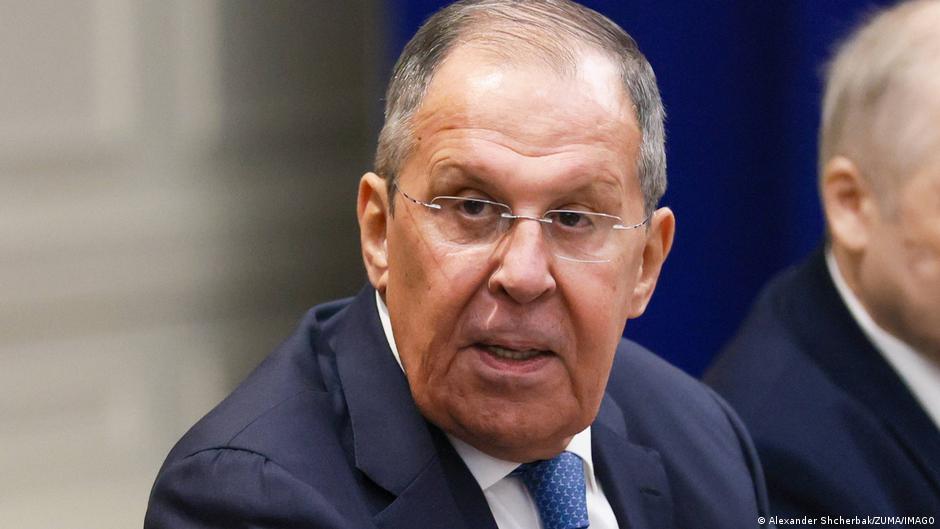
At the same time, Russian Foreign Minister Sergei Lavrov told the UN Security Council that there would be no “pause” in hostilities. That position undercut any near-term expectation of a ceasefire and highlighted the strategic challenge facing Ukraine and its backers: how to raise the cost of continuation for Moscow while managing the risks of escalation.
Zelensky’s speech therefore functioned as more than a wartime appeal. It was a bid to influence the calculations of governments, institutions and economic actors whose decisions shape the resources available to both sides. By tying Russia’s oil revenues, manpower losses, attacks on energy systems and emerging AI risks into one argument, he sought to portray Putin’s war as a failing enterprise that nevertheless remains dangerous because of the damage it can spread.
For Western capitals and multinational companies, the message was clear: Ukraine sees the war’s financial and technological dimensions as inseparable from the battlefield. The decisions made in ministries, corporate boardrooms, sanctions offices and energy markets will help determine whether Russia’s capacity to fund and extend the war grows weaker or survives another winter.