Kyiv Mayor Urges Temporary Departures as Russian Strikes Test City Resilience
Vitaliy Klitschko said Kyiv is not ordering a full evacuation but warned that intensified Russian attacks could trigger severe urban-service disruptions.
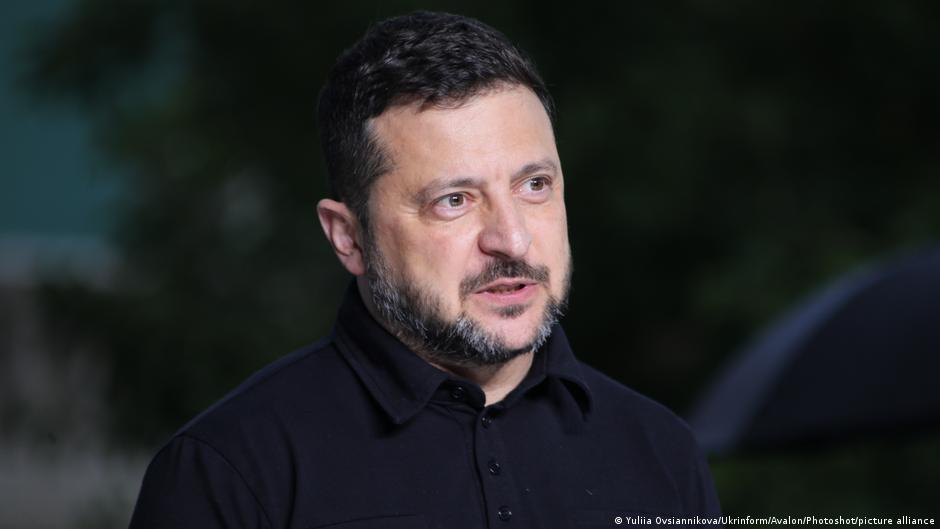
Kyiv Mayor Vitaliy Klitschko has advised residents of the Ukrainian capital who have friends or relatives elsewhere in the country to consider leaving the city temporarily, as intensified Russian attacks place new pressure on municipal services, winter preparations and the capital’s ability to sustain normal life under wartime conditions.
In an interview with AFP published Wednesday, October 8, Klitschko framed the recommendation not as a formal evacuation order, but as a risk-management step for households with practical options outside Kyiv. His comments reflect a governing challenge familiar to executives and crisis managers: how to preserve continuity, protect people and avoid signaling institutional retreat when the operating environment is deteriorating.
“Today, it is about survival,” Klitschko said, according to the source article.
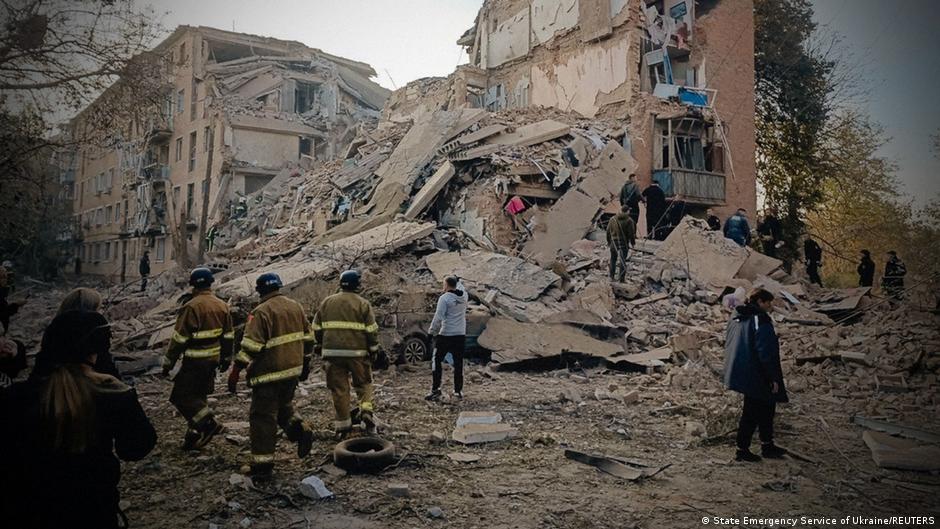
The mayor said daily reports now bring news of damaged buildings, injured civilians and fatalities as shelling of the city intensifies. He warned in particular that if Russian attacks disrupt Kyiv’s water-supply system, the city could face a crisis that he described as “quite large-scale.”
For Kyiv’s municipal leadership, the comments point to a widening risk portfolio. The city is preparing for winter by building reserve heating systems and stockpiling fuel, food and drinking water, Klitschko said. Those preparations resemble the redundancy planning used by companies facing supply-chain shocks: backup systems, inventory buffers and contingency operations. But the mayor also acknowledged a limit that no local authority can fully control. However well Kyiv’s government and residents prepare, he said, “if air defense does not work, we may find ourselves in a bad scenario.”
A Controlled Warning, Not a Full Evacuation
Klitschko emphasized that he is not calling for a complete evacuation of Kyiv. That distinction matters strategically. A broad evacuation order would carry enormous operational, psychological and political consequences, potentially disrupting businesses, public services, hospitals, schools, logistics networks and local administration across a city central to Ukraine’s national life.
The mayor said a mass departure would align with what he described as Russian President Vladimir Putin’s objective. “That is Putin’s goal. The best scenario for him is for all of us to leave and give him our empty cities and the whole country,” Klitschko said.
That statement captures the boardroom-level dilemma confronting Ukrainian officials: how to reduce civilian exposure without creating the appearance or reality of strategic abandonment. For corporate leaders, investors and multinational organizations monitoring Ukraine, the message is also a signal about continuity planning in the capital. Kyiv’s authorities are trying to preserve the city’s functioning while encouraging residents with alternatives to lower demand on critical infrastructure during a period of heightened risk.
The advice is targeted rather than universal. Klitschko’s appeal applies to residents who already have friends or relatives outside Kyiv and can relocate temporarily within Ukraine. That approach could ease pressure on essential services without producing the economic and administrative disruption associated with a mandatory evacuation. It also reflects a practical constraint: not every resident has the financial, family or employment flexibility to leave.
Infrastructure Becomes the Central Business Risk
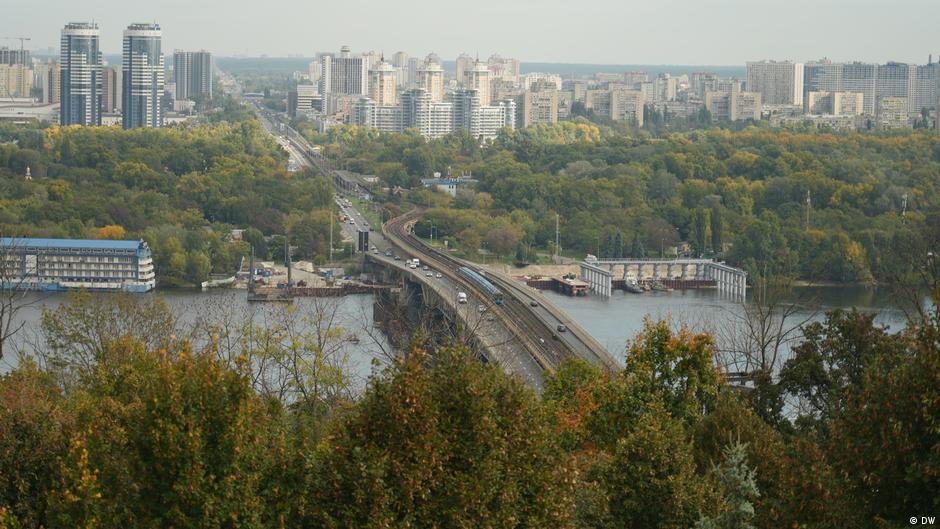
The latest escalation has shifted attention from immediate security threats to the resilience of infrastructure that supports daily life and economic activity. In September, Russia increased attacks on Kyiv. In early October, Russian forces also began striking bridges across the Dnipro River that connect the city’s right-bank and left-bank districts. According to the source article, those bridges had not previously been attacked.
The targets have also included energy and communications facilities, as well as railway infrastructure. For businesses, public agencies and aid organizations operating in or through Kyiv, those categories represent the backbone of continuity: power, connectivity, transport and workforce mobility. Damage to any one of them can create cascading effects. Damage to several at once can turn a security emergency into a broader operational crisis.
Bridges over the Dnipro are especially significant because they connect major parts of the capital. Strikes on those routes could complicate emergency response, commuting, goods movement and the coordination of municipal services across the city. Even when infrastructure remains usable, the risk of attack can alter behavior, raise logistical costs and force institutions to revise staffing, procurement and service-delivery plans.
Energy and communications infrastructure carry similar implications. Disruption to power can affect heating, water pumping, hospitals, data systems and private-sector operations. Damage to communications networks can slow emergency alerts, business coordination and public information campaigns. Railway infrastructure, meanwhile, is central to both civilian movement and national logistics, including the relocation of people and supplies.
Winter Planning Meets Air-Defense Dependence
Klitschko said Kyiv authorities are building reserve heating systems for winter and stockpiling fuel, food and drinking water. These are concrete resilience measures, but they also reveal the scale of the challenge: the city is preparing not merely for isolated attacks, but for a season in which basic utilities may come under sustained pressure.
In corporate terms, Kyiv is trying to strengthen its balance sheet of essential services before the most demanding quarter of the year. Heating capacity, fuel reserves, food stocks and drinking water are the municipal equivalents of liquidity, inventory and backup suppliers. Yet Klitschko’s warning about air defense underscores a critical dependency outside the city’s direct managerial control. Local preparedness can reduce harm, but it cannot fully offset repeated successful strikes on infrastructure.
That reality has implications beyond city hall. Employers may need to consider remote-work options, distributed staffing, backup power, employee relocation support and contingency transport plans. Humanitarian organizations may need to pre-position supplies. Families may need to weigh whether staying in Kyiv is necessary or whether temporary relocation is feasible. The mayor’s message effectively asks residents and institutions to make those decisions before a crisis forces them to do so under worse conditions.
On October 3, Ukrainian President Volodymyr Zelensky said Russia had adopted a new strategy of airstrikes aimed at forcing Ukrainians to leave Kyiv and other large cities. Klitschko’s remarks fit within that broader assessment. The contest is not only over territory, but over whether major urban centers can remain inhabited, governed and economically functional despite repeated attacks.
For American business readers, the episode offers a stark case study in urban resilience under military pressure. Kyiv’s leadership is balancing workforce safety, infrastructure redundancy, public confidence and strategic signaling in real time. The mayor’s advice to some residents to leave temporarily is not a retreat from the capital, but a calculated attempt to reduce vulnerability while keeping the city operating through a more dangerous phase of the war.