Trump Signs Graham Sanctions Law, Expanding White House Tariff Leverage
The measure gives Trump broad discretion over penalties tied to Russian energy flows, with implications for global trade, China and U.S. corporate risk.
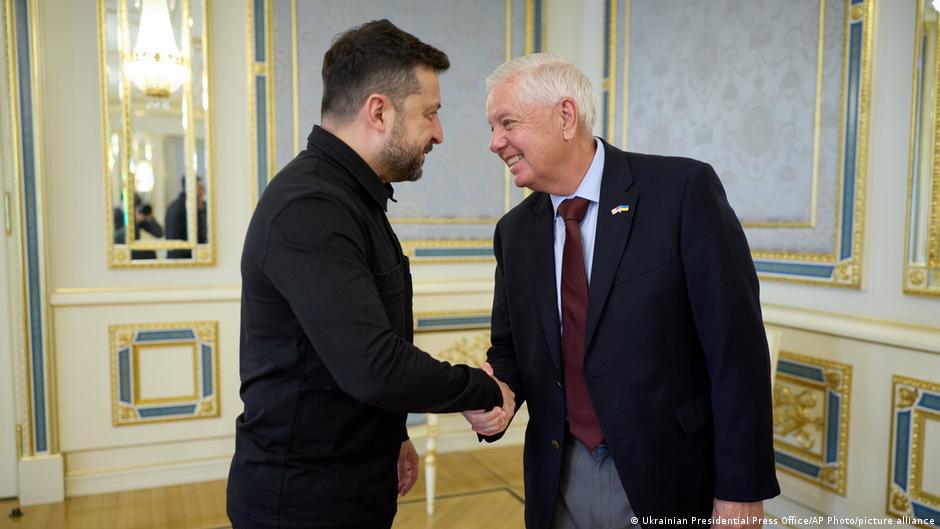
President Donald Trump on Friday, September 18, signed legislation tightening U.S. sanctions on Russia over its continuing war against Ukraine, enacting a measure long associated with the late Republican Senator Lindsey Graham and reshaping a sanctions push into a broader instrument of executive trade power.
The law, known publicly as the Graham sanctions bill, gives the U.S. president authority to impose 100% tariffs on the five largest buyers of Russian oil and gas, as well as on five countries that help Moscow evade energy sanctions. For companies with exposure to energy markets, global shipping, banking, or China-linked supply chains, the central business question is no longer only which entities Congress has targeted, but how aggressively the White House chooses to use the authority now available to it.
The measure also includes exceptions for countries that receive less than 15% of their consumed natural gas from Russia and are taking steps to reduce those imports. That carve-out is likely to be closely watched by governments and energy buyers seeking to maintain access to U.S. markets while managing legacy dependence on Russian supply.
Beyond energy importers, the bill provides for sanctions against Russian officials, banks, business figures and the so-called shadow fleet used to move sanctioned oil and other cargoes. It also extends U.S. sanctions on Iran until 2031, linking two major sanctions regimes in a single legislative vehicle.
Executive Discretion Becomes the Core Feature
The bill’s passage marks the conclusion of an 18-month lobbying effort, but its final form differs significantly from the original proposal. Trump now has the power to decide whether to impose or lift the measures outlined in the legislation. That is a notable departure from the more conventional sanctions process, in which such decisions often require closer coordination with Congress.
For boardrooms, the shift matters. Companies operating across energy, commodities, logistics, insurance, and financial services will have to evaluate not only statutory exposure but also political timing, presidential discretion and the potential for tariffs to be deployed as part of a wider negotiating strategy. Compliance teams may face a moving target if the administration uses the law selectively, either to pressure Moscow directly or to influence countries and companies doing business around Russian energy.
The final version also allows Trump to use the legislation’s provisions in connection with his broader trade confrontation with China. That gives the measure a strategic dimension beyond Russia policy. A sanctions bill initially designed to punish Moscow’s war effort could become a lever in U.S.-China economic competition, especially if Chinese purchases of Russian energy become a focal point for enforcement.
The legislation was introduced in April 2025 by Graham and Democratic Senator Richard Blumenthal. Because Trump preferred to engage with Graham, a fellow Republican, the senator’s name became firmly attached to the sanctions package. Media outlets and the public came to refer to it as the Lindsey Graham law or Graham bill.
Graham did not live to see the law enacted. He died on July 11, 2026, after having helped promote the measure for more than a year.
From “Hellish” Tariffs to a 100% Penalty
The original bill envisioned tariffs of up to 500% on Russian goods while Russia continued its war against Ukraine and refused peace talks. Under that concept, the U.S. president would periodically determine whether Moscow was ready for dialogue and impose sanctions if it was not. The scale of the proposed tariffs led supporters and observers to describe them as “hellish” sanctions.
The early proposal also would have affected products from countries buying Russian oil. Over time, however, the tariff level for importers of Russian oil was reduced to 100%. Even at that lower level, the penalties could have substantial consequences for multinational companies, particularly those sourcing goods through countries that maintain significant Russian energy ties.
Trump’s own position shifted during debate over the Graham-Blumenthal initiative. At different points, he supported the idea of such measures and opposed their adoption. The version he ultimately signed preserves the sanctions architecture while giving the president unusually wide room to decide when and where to apply it.
Ukrainian President Volodymyr Zelensky thanked Trump for signing the legislation and praised lawmakers who supported it, emphasizing the importance of increasing pressure on Moscow to end the war.
“Thank you to President Trump for signing this extremely important law. Thank you to all senators and members of the House of Representatives who supported it,” Zelensky wrote on Telegram.
Zelensky also invoked Graham’s belief that American power could be effective when used properly. According to the Ukrainian president, Graham “never doubted for a moment” that the United States had enough strength to fight dictators and achieve results if it acted in the right way.
Supporters of the bill argue that it sends a strong signal of U.S. support for Ukraine at a time when fighting has intensified. For them, the law is meant to tighten the economic space available to Russia and to warn governments and businesses that continued engagement with Russian energy may bring serious costs.
Opponents, however, have focused on the domestic economic implications of expanding tariff authority. House Democratic Minority Leader Hakeem Jeffries objected to giving the president broad unilateral power to impose new tariffs around the world, warning that such measures could carry negative consequences for Americans already facing high living costs.
“Life in the United States is too expensive. Why should Congress or the House of Representatives give the president unlimited authority to impose new tariffs around the world that will have negative economic consequences for the American people? I cannot do that,” Jeffries said.
The debate now moves from passage to execution. The law creates a powerful sanctions and tariff framework, but its market impact will depend on how the administration defines the largest buyers of Russian energy, how it evaluates sanctions evasion, and whether it uses exemptions to manage allied economies. For corporate leaders, the immediate implication is clear: Russian energy exposure, even through third countries, has become a higher-level strategic risk requiring direct attention from executives and boards.