Merz Says Unconditional Transatlantic Friendship May Be Over for Germany
The German chancellor framed worsening ties with Washington as both a strategic risk and a corporate-style mandate for national renewal.
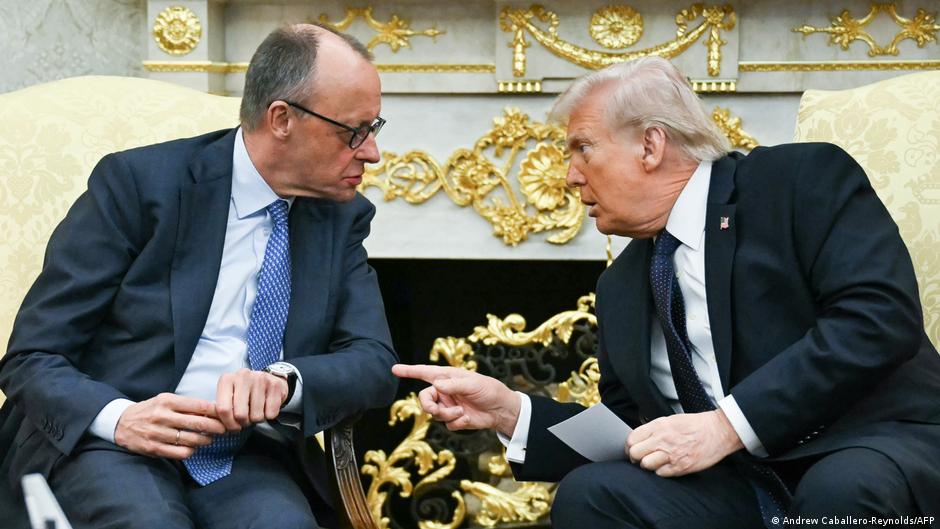
German Chancellor Friedrich Merz has signaled that Berlin can no longer treat its relationship with Washington as an automatic pillar of national strategy, telling a Christian Democratic Union campaign event in Berlin on Thursday, September 17, that the era of “unconditional transatlantic friendship” is likely to remain in the past for a long time.
The remarks amounted to more than a diplomatic complaint. For Germany’s political and business establishment, they underscored a widening strategic reassessment: the country’s largest companies, exporters and defense planners are being asked to operate in a world where the United States is still essential, but less predictable as a partner.
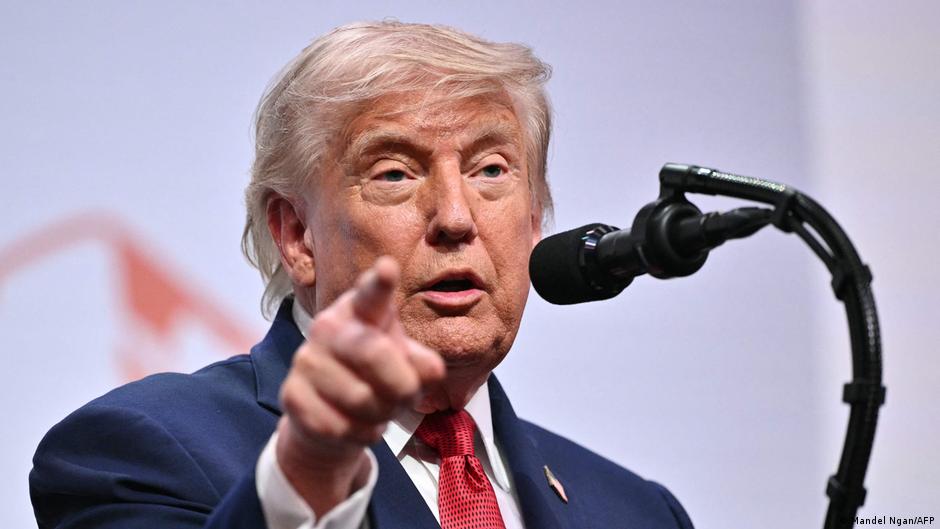
According to the dpa news agency, Merz said Germany was seeing “on the other side of the Atlantic” a change in political approaches and in the assessment of the transatlantic alliance that Berlin may not previously have been able to imagine. His comments came after a sharp deterioration in relations with U.S. President Donald Trump over disagreements surrounding the U.S. and Israeli war against Iran and the trade wars launched by the White House.
At the start of Trump’s second presidential term, the U.S. president was favorably disposed toward Merz. But relations worsened after Merz declined to support the United States in the war with Iran. Trump subsequently began criticizing German authorities, including by attributing false statements to Merz.
“We have emerged from this valley of a shrinking or stagnating economy,” Merz said, while adding that Germany still needs reforms.
A Strategic Reset for Berlin
Merz’s message carried clear implications for boardrooms as well as ministries. Germany’s model has long rested on a dense web of assumptions: U.S. security guarantees, access to global shipping lanes, stable trade relationships and a political consensus around the Western alliance. The chancellor’s remarks suggested that those assumptions now require active management rather than passive reliance.
The latest rupture also reflects Washington’s intervention in German domestic politics. Earlier in September, Trump congratulated the far-right Alternative for Germany on its victory in state elections in Saxony-Anhalt. That gesture marked another instance of support from Washington for German right-wing populists, a pattern that had already drawn criticism in Berlin.
The reaction from German officials was pointed. Metin Hakverdi, the German government’s coordinator for transatlantic cooperation, said Germans were capable of deciding for themselves how to handle migration and whom to elect. “We do not need advice from the White House on this,” he said.
For executives, that political tension is not merely symbolic. It increases uncertainty around regulation, tariffs, supply chains, defense procurement and energy security. If Berlin must assume that future U.S. decisions could conflict more directly with German priorities, companies will be pressed to revisit risk models that once treated the transatlantic relationship as a stabilizing constant.
Defense Spending and Industrial Opportunity
Merz did not present the strain with Washington solely as a setback. He argued that tension between the United States and Europe, including Germany, creates opportunities the country should not miss. Germany, he said, must use the moment to take greater responsibility for its own security and development.
That position aligns with the federal government’s move to significantly increase defense spending. For German industry, the shift could reshape capital allocation and procurement priorities. Defense contractors, advanced manufacturers, cybersecurity providers and logistics companies may all face new demand as Berlin attempts to reduce dependence on U.S. strategic guarantees.
The broader corporate implication is a more interventionist state posture in sectors tied to national resilience. Merz’s framing suggests that defense and economic policy are increasingly intertwined: military readiness, industrial capacity and technological competitiveness are becoming parts of the same strategic conversation.
Merz also pointed to signs of economic recovery after several years of stagnation. He said forecasts indicate that Germany’s economy is expected to grow by about 1.3 percent in 2026. Even so, he stressed that reforms remain necessary, signaling that the government does not view a modest rebound as sufficient to restore German competitiveness.
That combination of recovery and pressure for reform is likely to resonate across corporate Germany. Many executives have warned that high energy costs, sluggish permitting, labor constraints and global trade frictions have weakened the country’s industrial position. Merz’s remarks suggested that the government sees geopolitical pressure as a catalyst for long-delayed domestic changes.
A Delayed Call With Trump
Later on Thursday, German government spokesman Stefan Kornelius said Merz and Trump had held a phone call that Berlin had previously postponed. The call had originally been planned around the anniversary of the September 11, 2001, terrorist attacks, but Germany delayed it indefinitely the day before it was scheduled, without giving a reason.
According to Kornelius, Merz used the conversation with Trump to address “next steps to end” Russia’s war against Ukraine. He also welcomed the U.S. Congress’s adoption of a sanctions package against Russia initiated by Senator Lindsey Graham.
The two leaders also discussed shipping problems in the Strait of Hormuz and the Red Sea caused by the war in Iran. Those waterways are critical to global commerce, energy markets and corporate supply chains. Their inclusion in the call highlighted the extent to which military conflict, trade disruption and alliance management are converging into a single agenda for political leaders and multinational companies.
Merz also recalled the September 11 attacks during the discussion, returning to the occasion for which the call had first been scheduled. But the diplomatic choreography around the call, including its unexplained postponement, reflected the tense atmosphere surrounding German-American relations.
The backdrop was Trump’s praise for Alternative for Germany after the party’s strong victory in the Saxony-Anhalt state parliament election. Berlin reacted with irritation to those statements, viewing them as improper U.S. commentary on German domestic politics.
Merz’s central point was that Germany cannot afford to wait for a return to older certainties. The transatlantic relationship remains important, but the chancellor’s language marked a shift from sentiment to contingency planning. For Germany’s corporate leadership, that means the next phase of strategy may be defined by a harder question: how to grow, invest and defend supply chains when the country’s most important ally is also a source of political and economic volatility.