Drone Strikes Force Yaroslavl Refinery Halt, Deepening Russia Fuel Strain
Damage to key processing units at the Slavneft YANOS refinery has halted crude runs and fuel shipments, raising new supply and strategy risks.
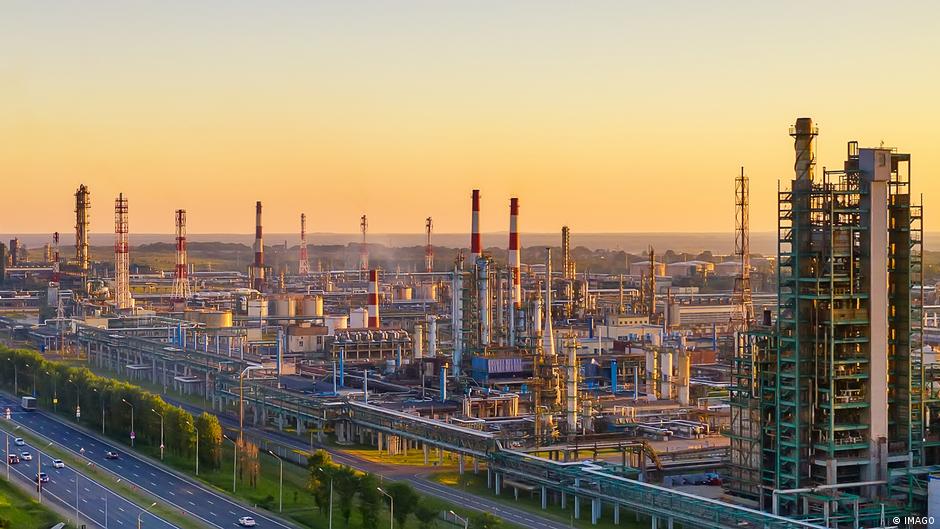
The Slavneft-Yaroslavnefteorgsintez refinery, known as YANOS, has stopped processing crude oil and halted fuel shipments after another Ukrainian drone attack damaged core production equipment at the site in Yaroslavl, according to Reuters. The plant, one of Russia’s largest refineries and a supplier of fuel to the Moscow region, has now become a focal point in a widening operational challenge for Russia’s downstream oil sector.
Reuters reported on Thursday, September 17, citing four industry sources, that the refinery suspended crude processing and fuel dispatches after the latest strike. The incident occurred overnight on September 17 and damaged the AVT-3 crude processing unit, which accounted for 40 percent of the refinery’s capacity, according to the sources cited in the Russian-language report.
Yaroslavl region Governor Mikhail Yevrayev confirmed that the refinery had sustained damage and that a fire broke out at the facility. Firefighters spent several hours extinguishing the blaze. For refinery management, the immediate issue is not only repair work but the loss of major processing capacity at a facility whose role extends beyond a single regional market.
YANOS has halted crude processing and fuel shipments after damage to major units, according to industry sources cited by Reuters.
Operational Risk Moves Into the Boardroom
For Russian refinery operators, the Yaroslavl shutdown illustrates how drone strikes have moved from episodic security events into a strategic business problem. The refinery is described as one of the top 10 refineries in Russia and is also cited among the five largest Russian refining enterprises by crude throughput. Its declared annual capacity is 15 million tons of oil.
The loss of AVT-3 follows earlier damage at the same site. Media reports cited in the source article said another unit, AVT-4, was disabled during an overnight strike on August 28. That unit provided about 33 percent of YANOS capacity and had not resumed operations. With AVT-3 and AVT-4 both out of service, the refinery’s ability to maintain normal output and contractual supply flows has been sharply reduced.
Before the disruptions, the AVT-3 unit alone could process about 17,000 metric tons of feedstock per day. On an annual basis, the Yaroslavl refinery supplied more than 2.6 million tons of gasoline and 4 million tons of diesel to markets, including fuel deliveries to the Moscow region. Those volumes make the shutdown material not only for plant-level economics but also for supply planning across retail and wholesale fuel channels.
After the attacks, YANOS stopped exchange-traded fuel shipments, according to the source report. That matters for pricing transparency and market liquidity, because exchange supplies help shape benchmarks for buyers and traders. For executives and boards overseeing fuel distribution, logistics, and procurement, such interruptions can force rapid adjustments in sourcing, storage, and regional allocation.
A Regional Refining Cluster Under Pressure
YANOS is the second major refinery in the broader region to suspend operations in September because of the consequences of drone attacks. Since September 6, Rosneft’s refinery in Ryazan, which has capacity of 17 million tons of oil per year, has not been shipping fuel. Together, the Yaroslavl and Ryazan disruptions affect large assets that play significant roles in Russia’s refining system.
The Yaroslavl plant has been targeted repeatedly by Ukrainian drones since Russia launched its full-scale war against Ukraine. In 2026, fires occurred at the enterprise at least eight times, according to the source article. The repeated nature of the incidents raises questions for corporate leadership about the durability of existing risk controls, the cost of hardening assets, and the financial implications of extended downtime.
For companies operating critical energy infrastructure, the boardroom implications are increasingly direct. Management teams must weigh repair schedules, spare equipment availability, insurance and liability exposure, and whether fuel shipment commitments can be met from alternative facilities. The concentration of damage in primary crude processing units also points to a vulnerability that can quickly cascade through product output, logistics, and revenue.
The strikes on Russian refining facilities contributed to a fuel crisis in Russia over the summer. The Kremlin and President Vladimir Putin have been reluctant to acknowledge the scale of the problem. Putin has said fuel difficulties are “temporary” and that attacks on refineries are not capable of influencing events at the front.
Market indicators cited in the source article suggest the pressure has nevertheless been visible to consumers. According to Gdebenzin, a service that aggregates websites and services related to the search for fuel in Russia, gasoline grades AI-92 and AI-95 were unavailable at roughly half of the country’s filling stations in mid-September. Those figures fluctuated day to day, but a chart cited by Novaya Gazeta Europe showed that an acute fuel shortage in Russia has continued since mid-August.
The political context is also shifting. In mid-September, Kremlin spokesman Dmitry Peskov spoke positively about U.S. President Donald Trump’s idea of an “energy truce,” which would involve halting Ukrainian attacks on Russian refineries. Asked whether Russia would in response stop strikes on Ukrainian infrastructure, Peskov did not answer.
For business leaders watching Russia’s energy sector, the Yaroslavl shutdown is a case study in how military pressure can translate into refining outages, constrained product availability, and strategic uncertainty. The immediate story is damage to two processing units. The broader issue is whether refinery operators can maintain output and market confidence when repeated attacks turn major fixed assets into persistent operational liabilities.