Germany Identifies 410 Islamist Threat Individuals Amid Rising Radicalization Concerns
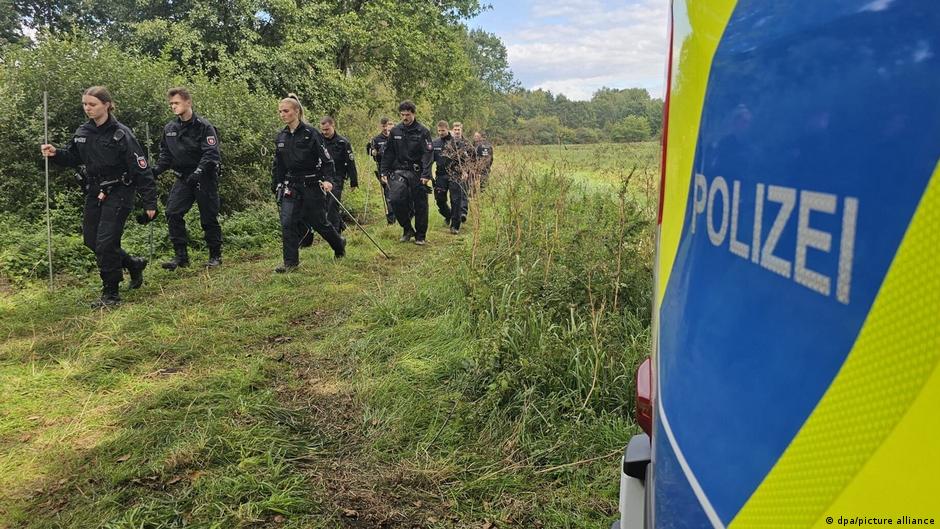
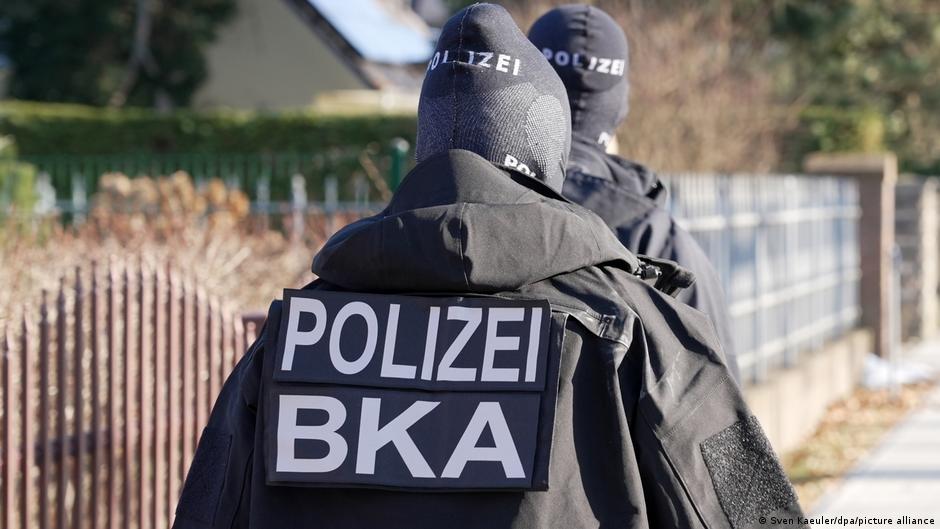
Germany reports 410 individuals posing Islamist-related threats, underscoring urgent needs to enhance counter-radicalization and law enforcement frameworks.

Germany reports 410 individuals posing Islamist-related threats, underscoring urgent needs to enhance counter-radicalization and law enforcement frameworks.

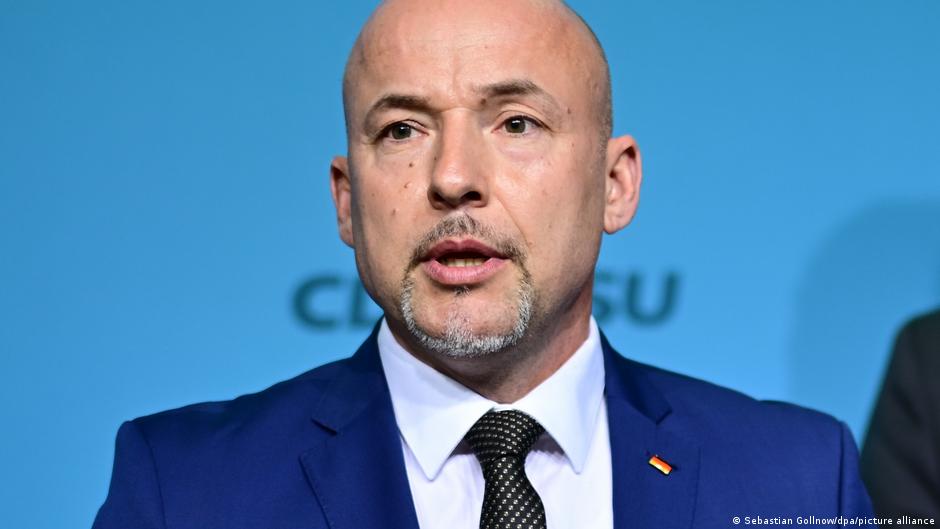
Germany’s Transport Minister Patrick Schnieder resigns amid internal CDU tensions; Chancellor Friedrich Merz to nominate Steffen Bilger as successor.

A Kremlin-linked bot network is spreading fabricated news to influence voter sentiment in key German state elections, targeting mainstream politicians with false accusations.
Alexander Hoffmann urges Germany to secure Ukrainian drone tech via an intergovernmental deal, boosting Bundeswehr's defense and production capabilities.

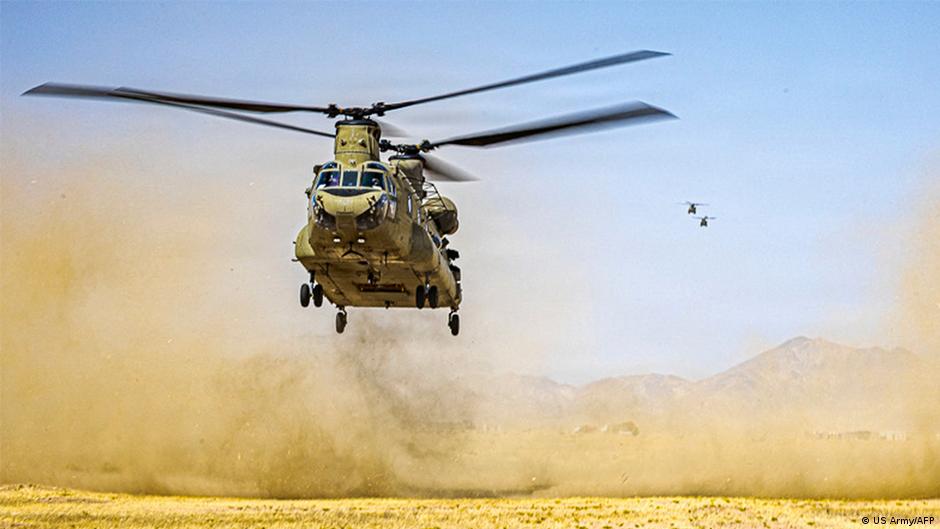
US military casualties in the Iran conflict have risen to 17, with recent fatalities occurring during explosive ordnance disposal in Iraq amid escalating retaliatory strikes.

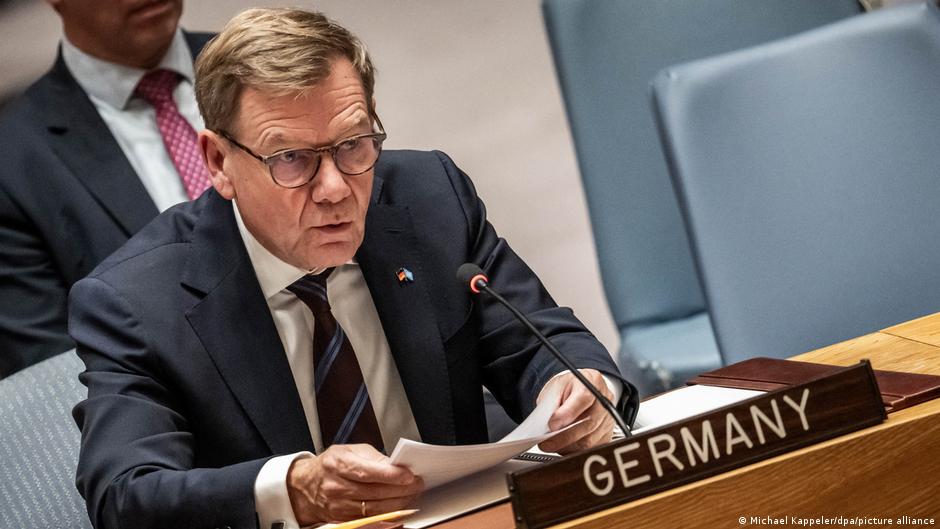
German Foreign Minister Johann Wadephul defends the International Criminal Court against U.S. claims of sovereignty threats amid a U.S. campaign targeting the tribunal’s authority.

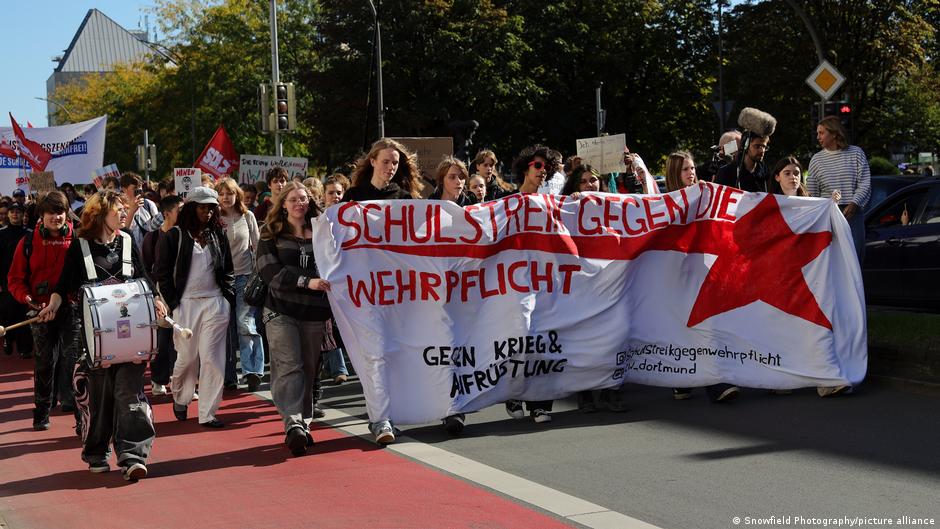
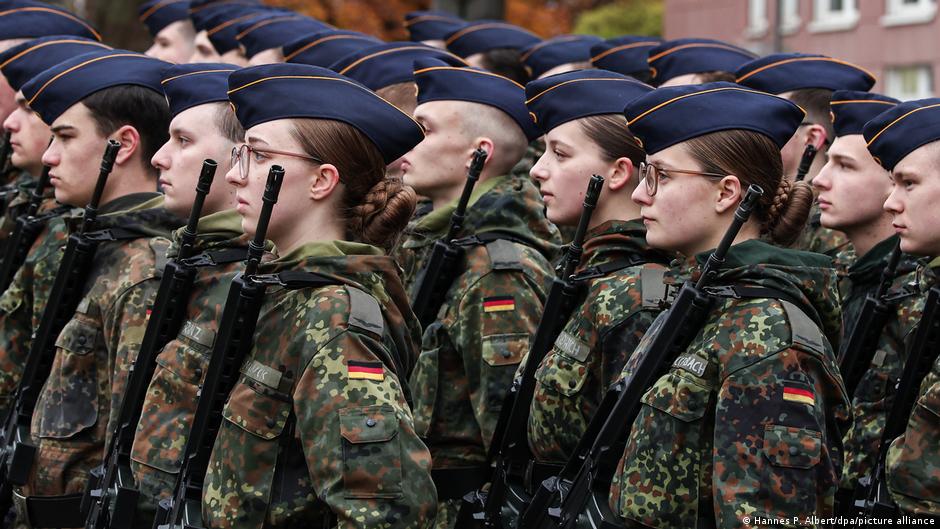
Germany reports a sharp rise in military service refusal applications amid security concerns and new conscription reforms, potentially impacting defense recruitment.

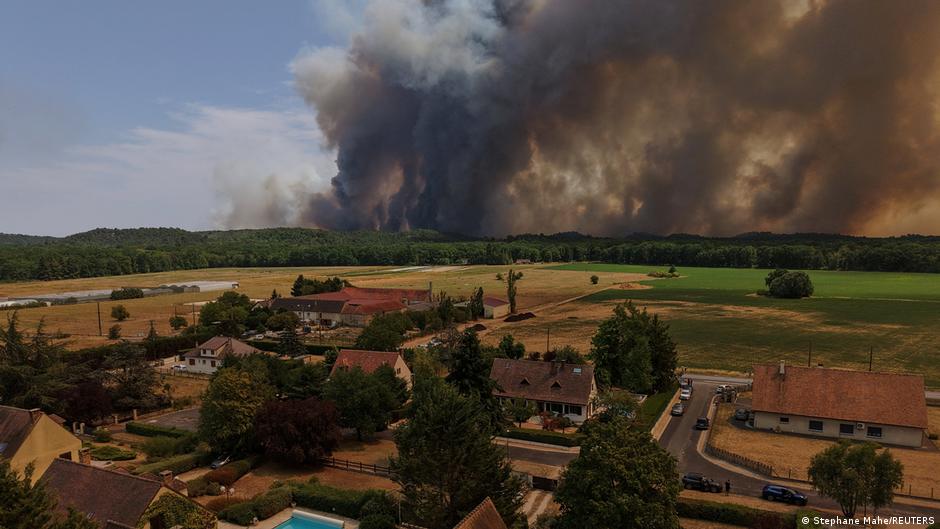
Two suspects were arrested for arson after a major wildfire burned over 1,300 hectares near Paris, amid France's ongoing heatwave and rising wildfire risks.

German President Steinmeier urges Europe to respond to the 'ruthless' policies of Russia and the US, emphasizing international law, pragmatic US relations, and social reforms amid rising far-right influence.

Germany will boost its defense budget to a record €124.7 billion in 2026, increasing its NATO commitments amid broader European military spending shifts.

Germany's 2027 budget plans a 6% spending increase with record defense funding and higher borrowing, sparking industry concerns over economic growth and fiscal discipline.

Germany welcomes Canada’s decision to purchase TKMS submarines, signaling enhanced NATO defense cooperation and a major industrial contract worth up to €100 billion.

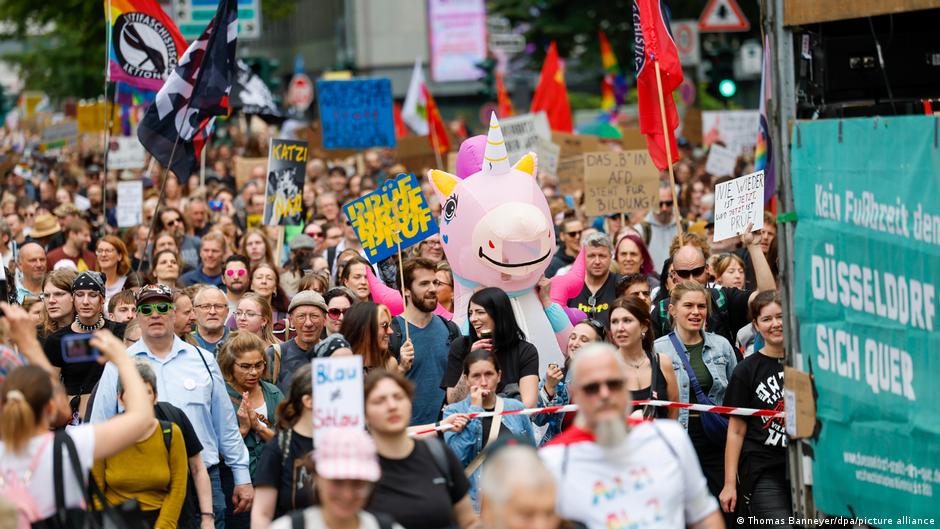
A new poll shows 45% of Germans oppose banning the far-right AfD, which leads the CDU/CSU by eight points as it claims political leadership.

A DGB study finds 40% of German workers doubt they can work until retirement due to high physical and psychological job demands, urging policy and workplace reforms.

Latvian President Edgars Rinkēvičs calls on NATO to prepare for potential escalation with Russia, highlighting the need for enhanced military capabilities and stronger transatlantic defense cooperation.

Two brothers in Germany admitted to illegally exporting industrial machinery parts to Russia via shell companies, violating EU sanctions and facing prison sentences.

The EU has cut its duty-free steel import quota by 47%, imposing a 50% tariff on excess imports to protect domestic producers amid global overcapacity concerns.

German and US foreign ministers met in Washington to reinforce their partnership, discuss NATO contributions, support for Ukraine, and regional cooperation ahead of key international summits.

German authorities have granted asylum to Russian anti-war activist Ilya Shkolny after a three-year legal battle marked by refusals and advocacy efforts.

Former US President Trump praises Zelensky’s resilience in the Russia-Ukraine war while criticizing Europe's stance, highlighting strategic challenges for US foreign policy.

Belgium granted one-day visas to five Taliban representatives for an EU meeting on Afghan deportations, raising complex security and migration policy issues within Europe.

A Russian drone strike hit a Kharkiv residential tower causing a fire, while a missile attack in Odessa resulted in casualties and damage to an agricultural enterprise.

Germany's Economy Minister urges Turkey to exclude Russian gas from future EU energy deals, highlighting geopolitical and business strategy shifts amid ongoing conflicts.

The EU has initiated confidential talks with Kremlin officials to prepare for potential peace negotiations in Ukraine, reflecting strategic diplomatic efforts amid ongoing conflict.

G7 leaders commit to new sanctions on Russian energy and expand military aid to Ukraine, aiming to intensify economic pressure and support Ukraine's defense capabilities.

Germany's labor force deficit is projected to rise by 4.3 million by 2036 due to baby boomer retirements and declining migration, challenging corporate workforce strategies.

European leaders back the US-Iran agreement, stressing swift action, nonproliferation, and restoring navigation through the strategic Strait of Hormuz to stabilize markets.

Twenty-two countries, including the US and European states, publicly condemned Iran for orchestrating attacks targeting dissidents and Jewish communities on their soil.

Germany increases funding by €300 million to support Czech-led ammunition supplies to Ukraine, securing 50,000 additional rounds and reinforcing its role as the largest donor.

The UN faces insolvency as US and China delay payments covering 42% of its budget, prompting major cost cuts and operational changes.

Western governesses teach Putin’s alleged children foreign languages under strict confidentiality, with hiring managed by Kabaeva’s relatives and high security protocols in place.

Sources close to Chancellor Friedrich Merz deny rumors of his early replacement amid internal CDU discussions and declining public approval ratings.

The EU postpones appointing a special envoy to negotiate with Russia, focusing on developing a clear strategy and leveraging sanctions first.

President Trump announces deployment of an additional 5,000 U.S. troops to Poland, reaffirming U.S. commitment amid ongoing military realignments in Europe.

The EU and US condemned Israel after a video of detained pro-Palestinian activists was posted by Israel’s National Security Minister, prompting diplomatic protests and internal government criticism.

NATO confirms continued US missile deliveries to Ukraine under PURL, highlighting sustained Western support amid evolving European defense dynamics and addressing Russian claims.

Russia has approved Clemens von Goetze as Germany's new ambassador amid ongoing diplomatic tensions with Germany following the Ukraine conflict.

President Zelensky met German officials to accelerate air defense support and drone cooperation as Ukraine faces intensified Russian missile strikes.

Serbia hosts its first joint military exercises with NATO under its neutrality policy, signaling a nuanced shift in regional defense cooperation.

Ukraine offers NATO long-range drones and missiles to address strategic gaps following U.S. missile withdrawals from Germany, enhancing the alliance's precision strike capabilities.

Germany considers President Steinmeier alongside Schröder to represent the EU in peace talks with Russia, amid doubts about relying solely on Schröder's mediation role.

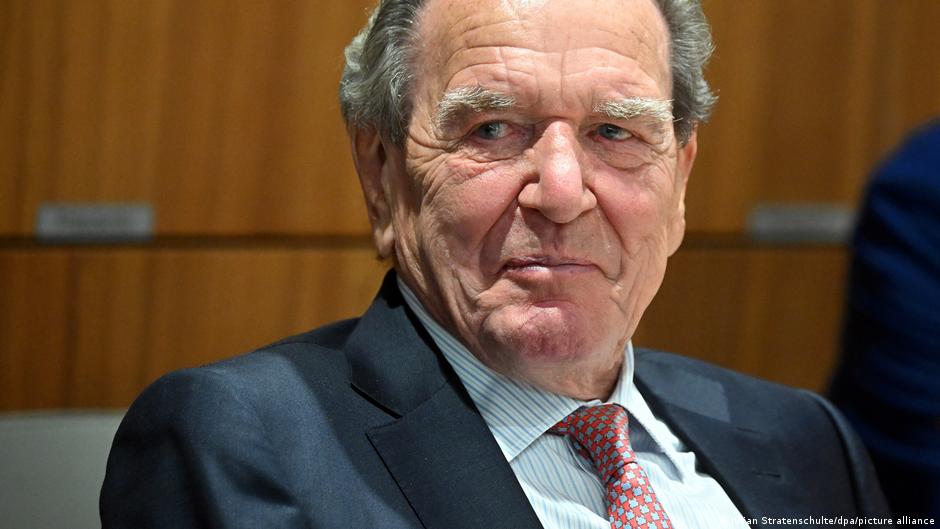
Putin names former German Chancellor Gerhard Schröder as his preferred EU negotiator for Ukraine peace talks, highlighting strategic business and political dimensions amid stalled diplomacy.

US President Trump indicates a possible redeployment of 5,000 troops from Germany to Poland amid US-Germany tensions and Poland's readiness to host forces.

Germany is fast-tracking its own long-range missile systems after the U.S. declined to deploy Tomahawk missiles, aiming to counter Russian Iskander threats and reinforce European deterrence.

Iran launched a significant missile and drone attack on UAE targets, breaking a month-long ceasefire and prompting strong international condemnation and strategic reassessments.

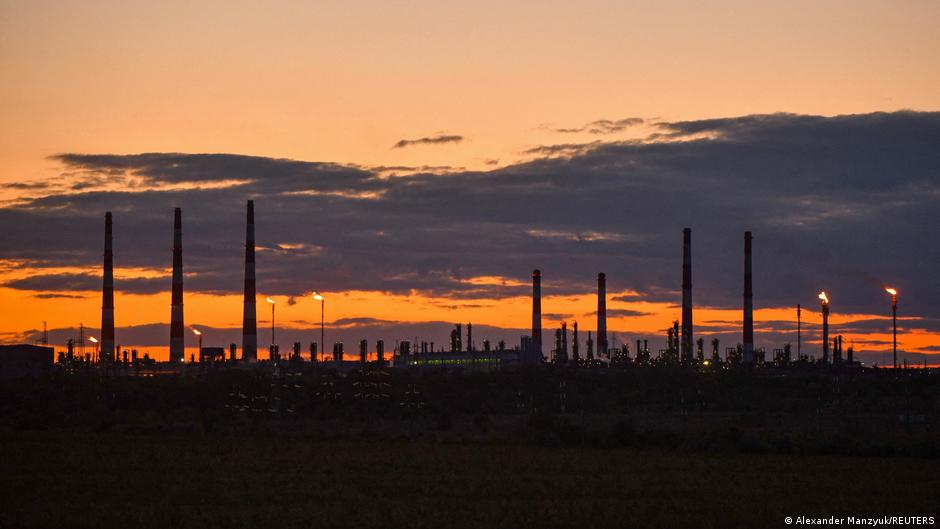
Germany will transfer the gas-fired power plant that served the Nord Stream pipeline to Ukraine on self-pickup terms, supporting Ukraine’s energy infrastructure amid ongoing conflict.

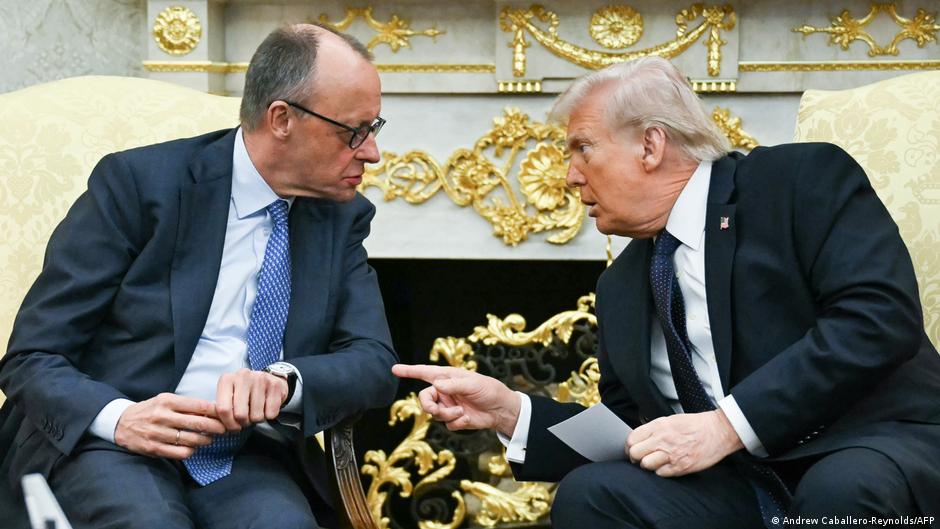
President Trump announces a significant reduction of US troops in Germany, exceeding previous plans and signaling a strategic shift in US-European military relations.

Germany risks recession in 2026 if the EU retaliates against U.S. auto tariffs, warns Munich's ifo Institute amid escalating trade tensions.

The Pentagon orders a reduction of 5,000 US troops from Germany within a year, reflecting strategic shifts in American military posture in Europe amid transatlantic tensions.

The EU and Mercosur initiate a provisional free trade agreement, presenting growth opportunities and regulatory challenges for European industries, especially in Germany.