EU Leaders Delay Seven-Year Budget Deal as Spending Divisions Persist
Fiscal restraint advocates and supporters of a larger EU budget will resume negotiations in December after contentious talks in Brussels.
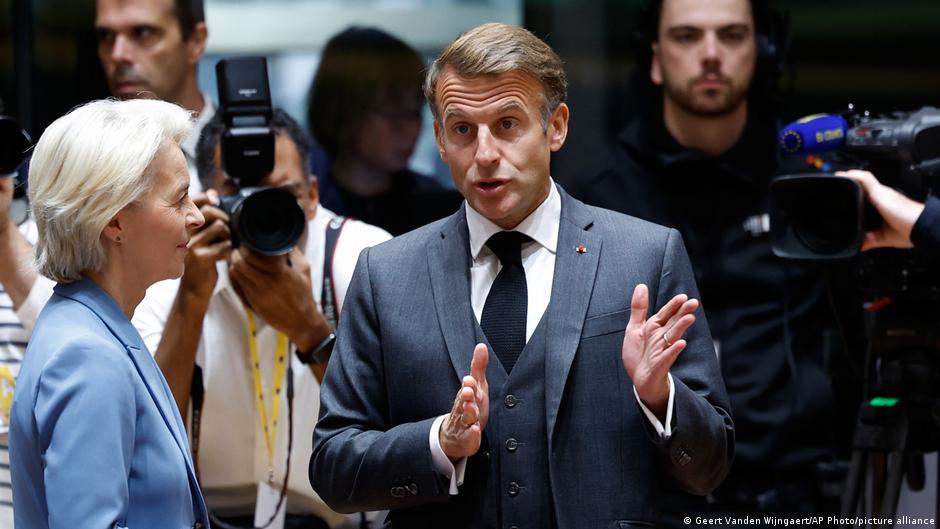
European Union leaders ended the first day of their Brussels summit without an agreement on the bloc’s budget for the next seven years, leaving major questions about spending priorities, new revenue sources and the timing of a final deal unresolved.
Negotiations failed to produce a breakthrough and will continue in December, AFP reported on Friday, October 16, citing sources in Germany’s federal government. The sources described the summit discussions among EU heads of state and government as contentious, reflecting divisions that had been evident before the leaders entered the negotiating room.
At the center of the dispute is a strategic question familiar to corporate boards: whether to constrain overall spending in a difficult political environment or invest more heavily in capabilities intended to improve long-term competitiveness and resilience. Germany, Austria, Sweden, Denmark, the Netherlands and Finland are calling for savings. France, Spain and Poland are among the countries supporting a larger EU budget.
A €2 Trillion Proposal Meets Demands for Restraint
The European Commission presented a draft long-term budget worth almost €2 trillion during the summer. Ireland, which holds the rotating presidency of the Council of the EU, subsequently proposed reducing the package by €140 billion, or approximately 8%.
The Irish proposal would cut EU expenditure in several areas with direct significance for companies and investors: competitiveness, scientific research, defense and foreign policy. Those categories affect the broader operating environment for European businesses, from innovation and industrial capacity to security and the bloc’s ability to pursue external priorities.
The debate therefore extends beyond the headline size of the budget. For executives assessing European investment plans, the eventual allocation of funds could influence which industries receive policy support and how aggressively the EU pursues research, defense and competitiveness objectives. A smaller settlement would require leaders to make sharper choices among those priorities, while a larger package would intensify the dispute over how it should be financed.
German Chancellor Friedrich Merz entered the talks demanding a “substantial” reduction in the Commission’s proposed budget. He also categorically rejected providing additional funds for two traditionally large areas of EU expenditure: agriculture and cohesion policy.
Germany and several northern European governments are pressing for savings, while France, Spain and Poland support an expansion of the EU’s seven-year spending plan.
Merz’s position underscores the difficulty of reallocating capital within a framework shaped by longstanding national interests. Agriculture and cohesion funding have traditionally commanded substantial resources, but the proposed reductions identified by Ireland would also touch areas tied to newer strategic priorities. The competing demands leave leaders confronting both the overall spending ceiling and the internal composition of the package.
France Promotes New EU-Wide Revenue Streams
France used the summit to advocate new EU-wide levies that could increase the budget without raising direct contributions from member states. The options under discussion include charges on digital services, crypto assets and online gambling.
From a corporate perspective, that proposal shifts part of the budget debate toward sectors that could face new costs. Digital platforms, crypto businesses and online gambling operators would need to monitor not only whether the levies are accepted, but also how they might be structured and implemented across the single market. The source article did not provide proposed rates or expected revenue figures.
France’s approach also illustrates the political trade-off facing EU leaders. New common revenue streams could reduce pressure on national contributions, but they would place the financing burden more directly on selected commercial activities. For corporate decision-makers, the outcome could affect pricing, compliance planning and investment calculations in the targeted sectors.
Election Calendar Raises Pressure for a December Deal
The next EU summit is scheduled for December, and many of the bloc’s 27 member states want the long-term budget approved before the end of the year. Their urgency is driven partly by the political calendar: elections in several countries in 2027 could bring eurosceptic and populist forces to power, potentially making a compromise more difficult.
In France, far-right politician Marine Le Pen could win the presidential election. President Emmanuel Macron has already warned that reaching an EU budget agreement would be “difficult” under that scenario, according to AFP.
The possibility of political change gives the December negotiations the character of a closing window for consensus. Governments must reconcile disagreements over the total budget, traditional spending programs, strategic investment and new taxes before domestic electoral pressures further complicate the process.
Even that timetable is not assured. Austrian Chancellor Christian Stocker said the negotiations could drag on into next year. For businesses, an extended process would prolong uncertainty over the EU’s future spending mix and potential sector-specific levies. The first day of the summit made clear that leaders remain divided not simply over how much Europe should spend, but over which priorities should prevail and who should ultimately pay for them.