Kyiv Power Disruptions Put Business Continuity Plans Under Pressure
Damage to Ukrainian energy infrastructure disrupted electricity and water services, confronting corporate leaders with renewed operational risks.
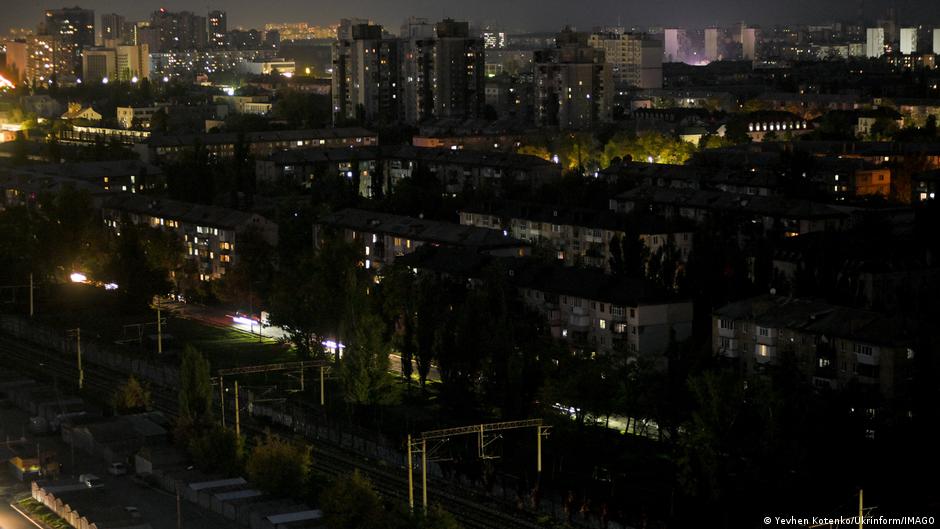
Electricity outages and water-supply problems affected parts of Kyiv and the surrounding region on Thursday evening after Russian forces struck an energy infrastructure facility, Ukrainian officials said. The disruption puts business continuity, employee safety and critical-service resilience back at the center of executive decision-making as Ukraine faces the prospect of a broader campaign against its power system.
Ukraine’s Energy Ministry and Kyiv Mayor Vitali Klitschko reported the outages on Oct. 15. According to Klitschko, damage to energy facilities in the Kyiv region also reduced water pressure in some districts of the capital.
“As soon as security conditions permit, crews will immediately begin restoring the electricity supply. Energy workers are doing everything possible to restore power as quickly as possible,” the Energy Ministry said.
The timing of repair work remains dependent on security conditions, creating uncertainty for companies attempting to estimate when normal operations can resume. Even temporary electricity and water interruptions can force executives to decide which sites and processes receive backup resources, whether employees can work safely and how customer-facing services should be maintained.
Infrastructure Risk Extends Beyond the Capital
Volyn region in western Ukraine was also attacked on the evening of Oct. 15. Debris from drones intercepted by Ukrainian air defenses damaged transmission lines, causing interruptions to electricity and water supplies in Lutsk, the regional capital, according to Roman Romaniuk, head of the regional military administration.
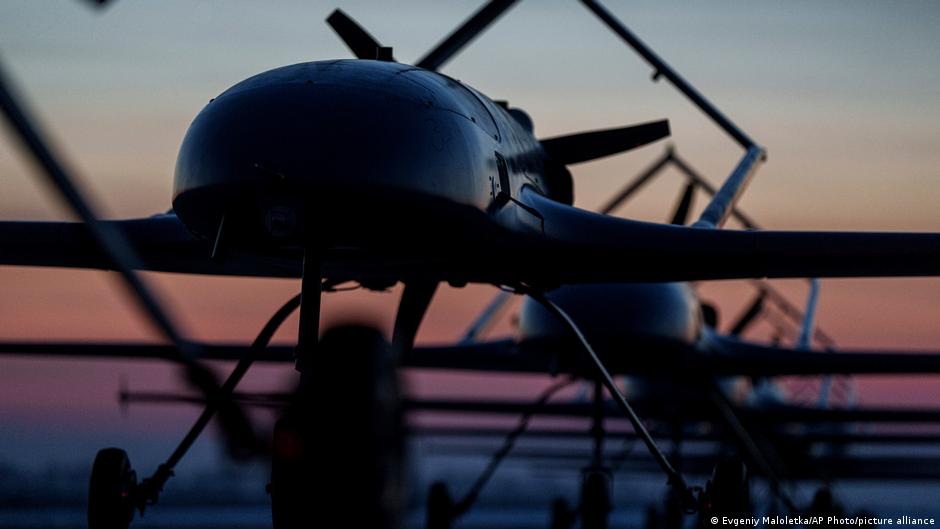
Romaniuk said three jet-powered drones entered Volyn’s airspace during the evening air alerts and were shot down by air-defense forces. The resulting damage illustrates that operational risk does not end when an incoming weapon is intercepted: falling debris can still affect transmission networks and disrupt municipal services on which offices, factories, retailers and logistics operators depend.
For corporate leaders, simultaneous problems in Kyiv and Lutsk underscore the geographic reach of infrastructure exposure. Companies with operations spread across Ukraine may need to treat electricity, water and communications resilience as enterprise-wide concerns rather than challenges confined to eastern or frontline regions. Boards overseeing Ukrainian operations are likely to focus on whether management has tested backup-power arrangements, mapped dependencies on municipal water systems and established clear authority for suspending activity when essential services fail.
Threat of a Coordinated Energy Campaign
The immediate outages come amid reporting about a possible Russian plan intended to disable Ukraine’s energy system and cut Kyiv, Kharkiv and Odesa off from electricity, water and heating. The New York Times reported that Ukraine presented an intercepted Russian attack plan to European officials in early autumn.
The newspaper estimated that carrying out the plan would require about 70 ballistic missiles, 720 long-range drones and 150 guided bombs. Under that scenario, Kyiv, Kharkiv and Odesa would lose roughly 90% of their electricity-generation capacity, heating supplies would fall by 90%, and water and sewer systems would experience severe disruption, according to the report.
Those projections describe a scenario rather than the confirmed outcome of Thursday’s attacks. Nevertheless, the scale of the figures has direct implications for boardroom risk assessments. Executives cannot assume that generators alone would sustain operations through a prolonged, systemwide failure. Fuel availability, equipment maintenance, secure employee transport and the continued operation of suppliers would all become material constraints if several major cities lost essential services at the same time.
Businesses providing food, medicine, telecommunications, financial services or logistics would face especially consequential allocation decisions. Management teams could be required to prioritize limited power among critical facilities while boards assess whether contingency spending, alternative locations and redundant suppliers are adequate for an extended disruption. Employers would also have to balance commercial obligations against the safety and basic needs of workers and their families.
The reported plan also highlights the relationship between national air-defense capacity and private-sector continuity. Sources cited by the newspaper said Russia could seek to exploit shortages in Ukraine’s air-defense resources, particularly interceptor missiles for Patriot systems. For companies, that vulnerability is an external risk that cannot be resolved through ordinary corporate controls, increasing the importance of scenario planning and coordination with public authorities.
Board Oversight Moves From Preparedness to Endurance
The latest interruptions offer a near-term test of restoration capacity, but the larger strategic question is how long businesses can function if attacks become sustained. Directors may need more frequent reporting on backup-power duration, water reserves, cybersecurity exposure during grid instability and the financial impact of repeated shutdowns.
Corporate strategy may also have to account for overlapping failures rather than isolated outages. Electricity loss can reduce water pressure, interrupt heating and impair digital connectivity, producing cascading effects across a company’s workforce and supply chain. The disruptions reported in Kyiv and Lutsk show how damage to energy infrastructure can quickly spread into other essential services.
Restoration crews are expected to act when conditions are safe, but the threat described in the intercepted plan points to a longer contest over infrastructure resilience. For executives and boards, the central issue is no longer simply whether operations can survive one outage. It is whether the organization can continue serving customers, protecting employees and preserving essential assets through repeated and potentially coordinated disruptions.