ECB Clears UniCredit Path to Take Control of Germany’s Commerzbank
The regulatory approval gives UniCredit room to cross the 30% ownership threshold, escalating a takeover opposed by Berlin and Commerzbank.
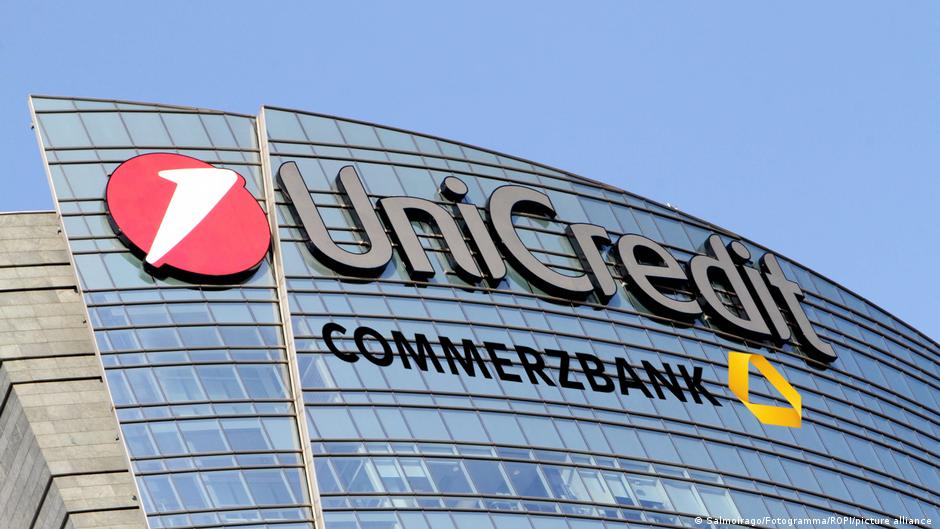
The European Central Bank has approved UniCredit’s acquisition of stakes in Commerzbank, removing a pivotal regulatory obstacle from the Italian lender’s effort to secure control of Germany’s second-most important commercial bank.
UniCredit representatives announced the decision on Thursday, October 15. According to the German news agency dpa, the authorization allows UniCredit to exceed the 30% ownership threshold in Commerzbank and subsequently increase its holding without further limits. In practical terms, that gives the Milan-based bank a route to absorb one of Germany’s two largest private-sector lenders.
The ECB’s decision shifts the transaction from a contested strategic initiative to a question of execution. UniCredit must still take the deal through supervisory procedures, which are expected to be completed by the end of the current year. By that point, dpa reported, the Italian group is expected to control half of the voting rights in Commerzbank’s shareholder governance structure, enabling it to establish control over the bank.
UniCredit said the ECB’s approval demonstrated confidence in the bank’s “strong position in the European banking sector.”
Share Exchange Put Control Within Reach
UniCredit’s advance was built around an offer made to Commerzbank shareholders in May. Under the proposal, investors could exchange each Commerzbank share for 0.485 UniCredit shares. The structure gave the Italian bank access to nearly half of the German company’s stock, but completing the exchange required the ECB’s consent.
That made the central bank’s review the defining checkpoint in the transaction. The approval was not considered unexpected. The ECB has repeatedly indicated that it supports bank mergers within the eurozone, viewing consolidation as a way to reinforce the European Union’s single internal market.
For UniCredit executives, the ruling expands their strategic options. Crossing the 30% threshold and gaining half of the voting rights would provide the leverage needed to shape Commerzbank’s direction, even as the transaction continues through the remaining supervisory process. Decisions concerning governance, operating structure and the future scope of Commerzbank’s activities are therefore likely to move closer to the center of the corporate debate.
The regulatory clearance does not, however, resolve the political and institutional resistance surrounding the takeover. Commerzbank’s management and employees have opposed UniCredit’s plans, as have German authorities. Their concerns place the Italian bank’s consolidation strategy against Germany’s interest in preserving a major nationally based commercial lender.
Berlin Focuses on Jobs, Headquarters and Small Businesses
The German government owns slightly more than 13% of Commerzbank, giving Berlin a significant economic interest in the outcome even though the ECB’s authorization strengthens UniCredit’s formal path toward control. The government wants to prevent job cuts that could follow efficiency and optimization measures after an acquisition.
German officials also want Commerzbank to remain a publicly listed company headquartered in Frankfurt am Main. In addition, they are seeking assurances that the lender will continue developing services for Germany’s small and medium-sized businesses, a customer segment central to the country’s corporate economy.
Those priorities point to the issues that will define the next stage of the transaction. UniCredit can now pursue ownership beyond the threshold that previously constrained its position, but it faces demands to protect employment, preserve Commerzbank’s Frankfurt base and maintain its role as a financial partner to German companies. How the Italian group addresses those concerns will shape the response from employees, management and the German state.
The dispute also carries broader implications for European banking strategy. The ECB’s stance favors cross-border consolidation as a tool for strengthening the eurozone’s integrated market. Germany’s opposition highlights the national consequences that can accompany that policy, particularly when a large domestic institution could be controlled from abroad and subjected to post-deal cost reductions.
For the boards and senior executives involved, the central question is no longer whether UniCredit has a regulatory route to expand its stake. The ECB has provided that route. The focus now turns to whether UniCredit can convert its prospective voting power into durable control while managing political pressure and defining Commerzbank’s future corporate identity.
Completion of the supervisory process by year-end would mark the next major milestone. If UniCredit reaches half of the voting rights as expected, the Italian lender would be positioned to direct Commerzbank despite resistance from stakeholders who want the German bank to retain its public listing, Frankfurt headquarters, workforce and strategic emphasis on small and medium-sized enterprises.