Germany Identifies 410 Islamist Threat Individuals Amid Rising Radicalization Concerns
Federal agencies report 410 persons pose Islamist-related threats in Germany, highlighting challenges in counter-radicalization and law enforcement strategies.
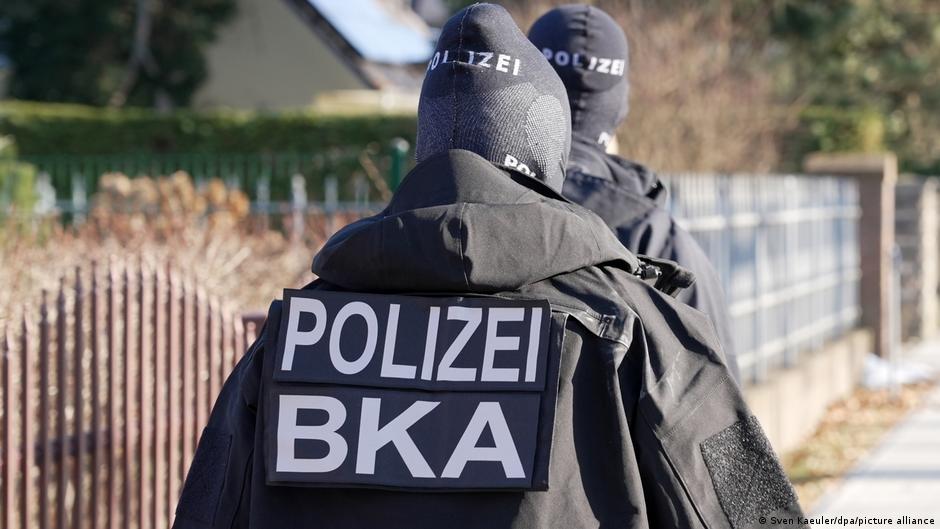
Germany’s Federal Criminal Police Office (Bundeskriminalamt, BKA) has identified 410 individuals who pose a threat due to Islamist activities as of July 1, 2026, underscoring ongoing challenges in managing radicalization and security risks within the country.
Rising Islamist Threats and Law Enforcement Responses
The BKA classifies these individuals as capable of committing serious violent crimes, including terrorist attacks. Alongside Islamist threats, the BKA also monitors 65 potential right-wing extremists and 17 potential left-wing extremists, reflecting a multifaceted approach to internal security.
Responsibility for confirming or removing individuals from threat lists lies with Germany’s federal states, leading to fluctuations in the number of persons monitored. A BKA representative emphasized that decisions to include or exclude individuals are made on a case-by-case basis.
"The causes for inclusion in or exclusion from the threat lists are diverse and reviewed individually,” highlighted the BKA spokesperson.
Parallel to threat assessments, the Federal Office for Migration and Refugees (BAMF) in Nuremberg operates a Radicalization Consultation Center, which recorded 165 consultations in the first half of 2026. The demand for advice regarding Islamist radicalization remains high, mirroring 2023 figures where 374 consultations were logged for the entire year.
More than half of these consultations in 2025 originated from official institutions such as schools, while nearly 43 percent came from the families of individuals suspected of radicalization. Parents were the largest group seeking guidance, with the average age of those potentially radicalized just under 19 years.
Impact of Terrorist Incidents on Public and Institutional Vigilance
The terrorist attack by the Palestinian Islamist group Hamas on Israel on October 7, 2023, marked a turning point, heightening public sensitivity to radicalization and prompting more consultations.
The Radicalization Consultation Center refers urgent cases to regional agencies, including the Violence Prevention Network (VPN). This network maintained contact with Abdul B., the suspect in the July 25, 2026 attack on Berlin's LGBT Pride parade, which left one dead and 29 injured.
Abdul B., a German citizen with Lebanese roots, was recently freed from a youth detention center where he faced charges related to planning a terrorist attack. Previously, authorities detained him at Berlin Brandenburg Airport after his return from Lebanon, suspecting he attempted to join ISIS in Syria.
Following the Berlin attack, German Interior Minister Alexander Dobrindt labeled it an Islamist terrorist act. The incident exposed gaps in monitoring and intervention strategies.
Calls for Enhanced Monitoring and Deradicalization Measures
Dirk Peglow, head of the German Criminal Police Union (BDK), criticized current practices, emphasizing that releasing high-risk individuals should not end state supervision.
"For a person with such a high level of potential threat, release from custody cannot mean cessation of state oversight," Peglow stated in an interview with Handelsblatt.
Peglow advocated for comprehensive deradicalization programs beginning during detention and continuing post-release to mitigate risks.
Bavarian Interior Minister Joachim Herrmann deemed the Berlin court's conditional sentencing of Abdul B. — one year and ten months suspended for preparing a serious violent crime against the state — a "catastrophe." The leniency raised concerns about judicial handling of suspected terrorists.
The Berlin Pride Attack: A Case Study in Security Failures
The July 25 incident involved Abdul B. driving a white van into the crowd near Brandenburg Gate during the Christopher Street Day (CSD) celebration. After the vehicle attack, he assaulted attendees with a sharp weapon.
This attack, which resulted in a fatality and multiple injuries, starkly illustrates the complex challenges faced by German authorities balancing civil liberties, policing, and counterterrorism in the context of evolving extremist threats.
As Germany continues to grapple with Islamist radicalization, the case highlights the critical need for cohesive strategies involving federal and state agencies, judicial reforms, and community-based prevention efforts to address emerging security threats effectively.