German and Austrian Businessmen Searched in Russia Auto Sanctions Probe
Investigators allege the executives routed cars and trucks through third countries, exposing renewed compliance risks for European auto trade.
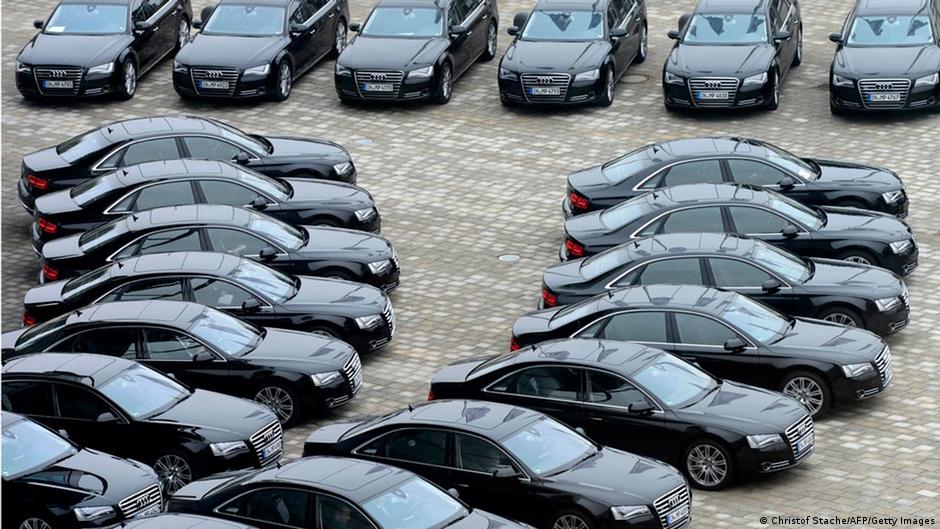
Authorities in Germany and Austria have searched properties linked to two businessmen suspected of exporting vehicles to Russia through third countries in violation of European Union sanctions, in a case that underscores the mounting legal and commercial risks around post-invasion trade with Moscow.
The public prosecutor’s office in Kaiserslautern said on Tuesday, September 29, that investigators suspect the two entrepreneurs of arranging the shipment of 53 passenger cars and six semi-trailer trucks to Russia between autumn 2022 and the end of 2024. Prosecutors allege the exports breached the EU sanctions regime and were concealed through intermediary markets, including Belarus, Kyrgyzstan and Georgia.
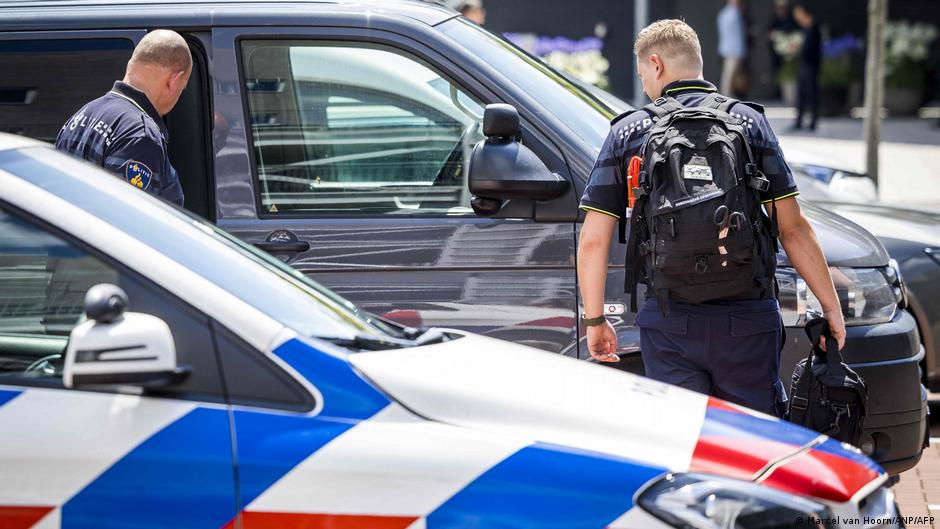
German and Austrian authorities searched residential and commercial premises connected to the businessmen on September 8 in Neustadt an der Weinstrasse, in the German state of Rhineland-Palatinate, and in Vienna. Law enforcement agencies from Germany, Austria and Belgium took part in the operation.
At the request of prosecutors, the Kaiserslautern district court authorized the seizure of assets worth approximately 7 million euros, described as the suspected proceeds from the alleged illegal exports. During the searches, authorities seized two vehicles in Germany, a Porsche and a Mercedes-Benz. In Austria, investigators seized 85,000 euros in cash. A further 278,000 euros was frozen in bank accounts in Germany, Austria and Belgium.
Prosecutors said both suspects have so far exercised their right to remain silent, and the investigation is continuing.
The searches also produced a separate legal issue for one of the suspects. Investigators found three hunting rifles and ammunition at the businessman’s premises in Neustadt, prompting an additional investigation into a possible violation of weapons legislation.
Compliance Pressure Moves Deeper Into the Auto Trade
The case adds to a widening pattern of enforcement actions involving European car dealers and intermediaries accused of helping vehicles reach Russia despite sanctions imposed after Moscow’s full-scale invasion of Ukraine. For business leaders, the allegations point to a familiar but increasingly costly exposure: transactions that appear to involve customers in third countries may still draw scrutiny if prosecutors believe Russia was the intended destination.
The corporate implications are significant for dealerships, logistics firms, exporters and financial institutions that process payments connected to vehicle sales. The alleged use of countries such as Belarus, Kyrgyzstan and Georgia illustrates how sanctions enforcement is now focused not only on direct exports, but also on routing, documentation and end-use controls. The freezing and seizure of assets across three countries also shows how prosecutors can coordinate financial measures well beyond the location of a seller or a single shipment.
European sanctions compliance has become a boardroom issue for companies whose products can be resold or redirected. Passenger vehicles, luxury cars and trucks may move through networks of dealers, brokers and logistics providers, creating risks for management teams that lack visibility into final buyers. Executives are under pressure to show that they have robust checks in place, particularly when transactions involve high-value vehicles, unusual routing, cash payments or counterparties in jurisdictions associated with re-export channels.
The Kaiserslautern investigation follows earlier German criminal cases involving luxury car exports to Russia. In March, a court in Würzburg sentenced a car dealer from Bavaria to six years in prison for supplying 111 luxury vehicles to Russia in violation of sanctions. According to investigators in that case, the vehicles reached employees of the FSB, the Federal Protective Service, Rosneft and the Russian presidential administration.
In July 2025, an employee of a car dealership in Hesse received a five-year prison sentence for selling 71 luxury vehicles to Russia, also allegedly through sanctions evasion channels. Those prison terms indicate that German courts are treating illegal vehicle exports as serious sanctions offenses rather than technical trade violations.
Third-Country Routes Raise Boardroom Stakes
The current investigation also comes against a broader enforcement backdrop. In May 2025, it was reported that German prosecutors were investigating more than 40 cases related to the supply of expensive cars to Russia. Media reports described a pursuit by German justice authorities of dishonest car dealers, while experts noted that only a small portion of shadow deliveries was being stopped.
That gap between suspected trade flows and enforcement outcomes is a strategic concern for legitimate businesses. If illegal shipments continue at scale, companies that maintain formal compliance programs may face reputational risk from association with the wider sector, while regulators may respond with tougher reporting expectations, deeper audits and more aggressive investigations.
Reuters reported in February that tens of thousands of cars, including German luxury vehicles, were being exported to Russia in circumvention of sanctions through China. Some of the vehicles are produced in China by foreign companies, while others are imported into China from abroad. According to that reporting, new vehicles are documented as used cars, a practice that allows sellers to avoid obtaining manufacturers’ authorization for sales to Russia.
For automakers and dealer networks, that kind of relabeling presents a difficult governance challenge. Manufacturers may be removed from the final transaction, yet their brands can still appear in sanctioned or politically sensitive markets. Dealers and brokers, meanwhile, may face criminal exposure if prosecutors conclude that they knowingly structured sales around sanctions restrictions.
The latest searches in Germany and Austria therefore carry implications beyond the two suspects. They show that European investigators are tracking vehicle flows across borders, following money through multiple banking systems and using asset freezes to target suspected profits. As the investigation continues, the case is likely to reinforce the message to executives across the auto sector: sanctions compliance is no longer a back-office formality, but a core business risk with personal, financial and criminal consequences.