German Foreign Minister Defends International Criminal Court Amid U.S. Opposition
Germany supports the International Criminal Court’s role despite U.S. campaigns challenging its jurisdiction and authority.
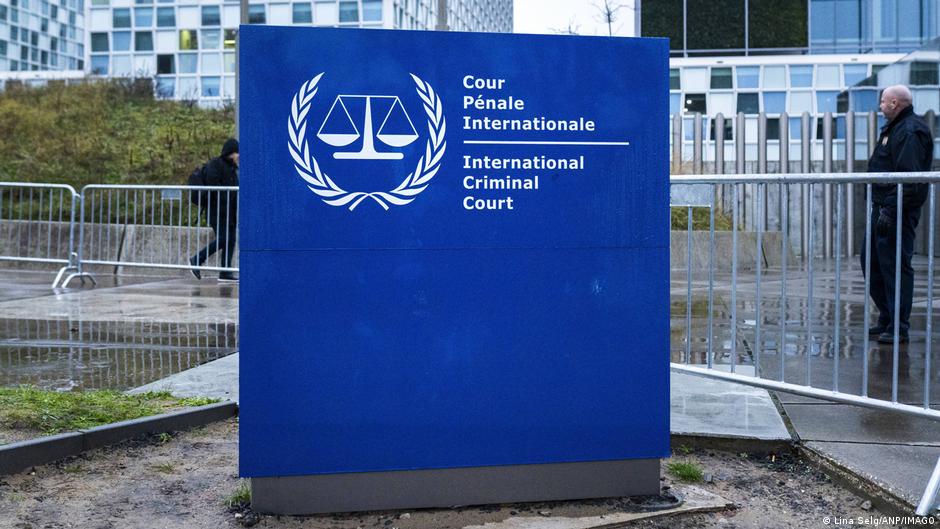
The German Foreign Minister Johann Wadephul has publicly defended the International Criminal Court (ICC) following announcements by the United States of a broad campaign against the Hague-based tribunal. Wadephul emphasized the ICC’s pivotal role in advancing global justice and security, countering U.S. criticisms that the court threatens American sovereignty.
Diplomatic Tensions Over ICC Jurisdiction
In an interview with the German media group Redaktionsnetzwerk Deutschland (RND), Wadephul stated, "The International Criminal Court makes the world safer and more just." He highlighted the ICC’s work in prosecuting some of the gravest crimes against humanity, such as the recruitment of child soldiers, and holding perpetrators accountable. According to Wadephul, perceived shortcomings in the court’s operations do not justify questioning its existence or undermining its achievements.
Wadephul underscored the importance of preserving the ICC as an independent institution. Berlin remains committed to supporting the system of international courts and the rule-based international order.
Meanwhile, Anwar Al-Anooni, spokesperson for the European Commission, rejected claims by the Trump administration that the ICC poses a threat to U.S. sovereignty. He stated, "Attacks or threats directed at the court, its elected officials, staff, or cooperating persons are simply unacceptable." Al-Anooni also reminded that the ICC does not target sovereign states and does not undermine their sovereignty.
This diplomatic defense comes amid escalating tensions between Washington and the ICC. On July 13, the U.S. Department of State accused the court of creating an "unacceptable threat to U.S. sovereignty" and threatened new sanctions. The U.S. claims the ICC unlawfully seeks to prosecute American military personnel and officials acting in the country’s interests, despite the fact that the U.S. never ratified the Rome Statute establishing the court.
"The ICC and its allies wage war against our country—not with bullets or rockets, but through legal norms, international agreements, and the force of so-called international law," said U.S. Secretary of State Marco Rubio in a video statement.
The U.S. campaign against the ICC includes a broad range of measures such as diplomatic efforts to persuade other nations to recognize alleged ICC abuses, calls for countries to withdraw from the court, and efforts to prevent ICC prosecutions of U.S. personnel. Additional contemplated actions include travel bans on ICC employees and intensified sanctions against the institution.
Washington’s objective is to systematically restrict the ICC’s ability to operate, prosecute U.S. individuals, or otherwise challenge American sovereignty. The Obama, Trump, and Biden administrations have all grappled with the ICC’s role, with Trump’s administration imposing sanctions on the court and its personnel. President Biden reversed some of these sanctions in 2021 but the broader tensions persist.
For multinational corporations and international investors, these developments signal ongoing geopolitical risks affecting the global legal framework governing war crimes and international accountability. The U.S. opposition to the ICC raises questions about the future of international justice institutions and their influence on cross-border legal compliance and corporate governance.