Russia Deploys Admiral Levchenko Anti-Submarine Ship Near German Waters Amid Shadow Fleet Protection
Moscow repositions a key Northern Fleet vessel to the Baltic Sea, signaling strategic maritime security priorities related to its shadow fleet operations.
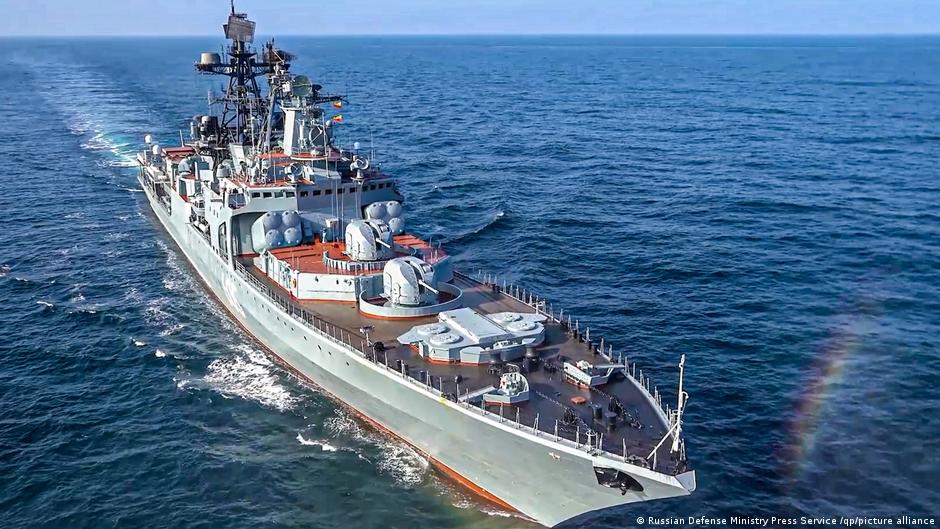
Russian naval strategy has taken a notable turn with the redeployment of the large anti-submarine ship Admiral Levchenko from the Barents Sea to the Baltic Sea near German waters. The move, observed near the German island of Fehmarn, reflects Moscow's evolving maritime posture aimed at safeguarding Russia’s shadow fleet vessels transporting oil through European shipping lanes.
Strategic Redeployment Reflects Maritime Security Emphasis
Admiral Levchenko, one of the Northern Fleet's largest anti-submarine ships, was photographed passing Fehmarn on July 31, marking its first public sighting in the Baltic. According to industry sources, the ship replaced Severomorsk, a vessel previously tasked with patrolling the Fehmarn Belt strait between Denmark and Germany. Severomorsk withdrew from this position at the end of June, with official statements citing completion of its long-distance mission.
Notably, Russian authorities have not publicly disclosed the redeployment or its operational objectives, fueling speculation that Admiral Levchenko will continue the maritime security role of its predecessor. This includes the protection of Russia's so-called "shadow fleet"—cargo vessels involved in covert transportation of Russian oil, which have evaded sanctions and scrutiny by operating under complex ownership and flag arrangements.
The continued naval presence in these contested waterways underscores Moscow's commitment to securing critical export routes amidst ongoing geopolitical tensions and Western sanctions targeting Russian energy exports.
"The deployment of Admiral Levchenko signals a strategic priority to safeguard maritime assets vital to Russia's energy supply chain, particularly amid mounting international pressure."
The Admiral Levchenko deployment also complements the presence of the Baltic Fleet corvette Soobrazitelny, which remains stationed near Fehmarn. This coordination hints at an enhanced naval posture aimed at maintaining control over key chokepoints in the Baltic.
Implications for Corporate and Geopolitical Stakeholders
For executives and board members in the shipping, energy, and insurance sectors, the redeployment raises important considerations. The operational security afforded by such naval assets may influence risk assessments for vessels navigating Baltic routes, particularly those linked to Russian exports. Furthermore, the presence of Russian warships close to European shores could impact regional maritime insurance premiums and necessitate revised compliance strategies amid sanctions enforcement.
Additionally, the maneuver involving the Severomorsk being escorted by the Kremlin-associated superyacht Graceful—built in Germany and sanctioned by the U.S.—highlights the intersection of elite assets and state interests. The yacht’s voyage from Kaliningrad to Murmansk, officially destined for Istanbul but speculated to be a protective maneuver against drone threats, illustrates the extent of Kremlin-linked asset movements and their protective measures.
Understanding these naval redeployments is critical for corporate leaders navigating the complex web of sanctions, security, and supply chain resilience in Europe’s energy and maritime sectors.