U.S.-Brokered Russia-Ukraine Talks Set for Abu Dhabi Nov. 10-11
Working groups will address security, de-escalation, humanitarian initiatives and the next steps toward a durable peace agreement.
Russia and Ukraine will hold a new round of U.S.-mediated negotiations in Abu Dhabi on Nov. 10 and 11, advancing a diplomatic process with potentially significant consequences for corporate strategy, investment planning and the reconstruction of Ukraine.
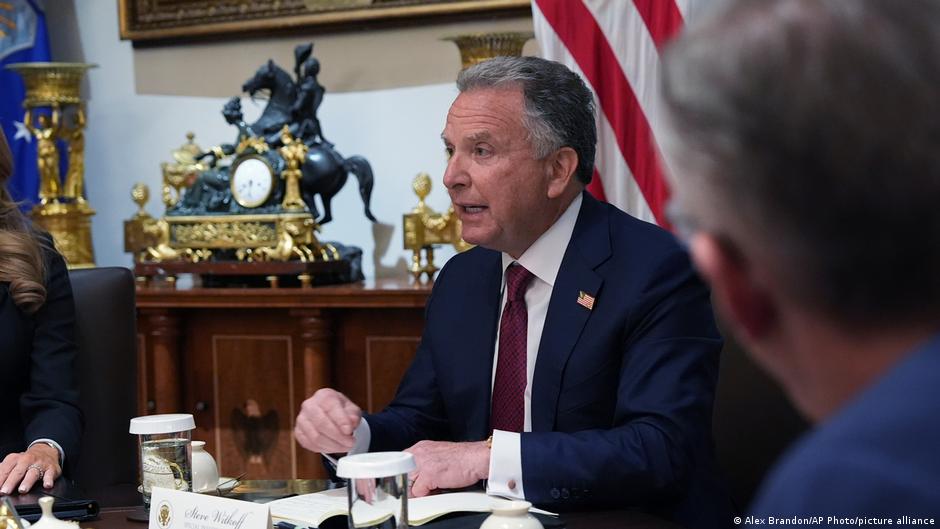
Steve Witkoff, U.S. President Donald Trump’s special envoy, announced the talks on Tuesday, Nov. 3. The meetings in the capital of the United Arab Emirates will take place at the working-group level as part of Trump’s efforts to end Russia’s war against Ukraine.
“The discussions will focus on postwar security, de-escalation, humanitarian initiatives and next steps toward peace,” Witkoff wrote on X.
The agenda places security arrangements alongside humanitarian and diplomatic priorities. For business leaders, the sequencing is important: decisions on postwar guarantees and Europe’s future security structure could shape the conditions under which companies eventually consider investment, financing, insurance and operational commitments connected to Ukraine.
Security Talks Carry Boardroom Implications
The Abu Dhabi meetings are not described as a final settlement conference. Their working-group format instead signals an effort to address the practical components of a possible agreement. That distinction matters for executives and boards assessing geopolitical exposure. Progress at a technical level may help clarify the direction of negotiations, but it does not by itself eliminate the political, legal or security uncertainties surrounding operations in the region.
De-escalation and postwar security are central to any longer-term corporate assessment of Ukraine and the wider European market. Companies evaluating future projects would need to consider whether an eventual security framework can provide sufficient stability for personnel, physical assets, logistics and contractual commitments. The humanitarian track could also affect the pace at which communities and essential services recover, while the broader peace process will influence when commercial planning can move from contingency work toward execution.
Witkoff said U.S. negotiators will also meet representatives of France, Germany, the United Kingdom, the European Union and NATO in Brussels this week. Those discussions will cover security guarantees for Ukraine, Europe’s postwar security architecture and opportunities to provide economic support for Ukraine’s reconstruction.
The inclusion of reconstruction support makes the Brussels consultations particularly relevant to corporate decision-makers. It connects the diplomatic track with the prospective economic framework for rebuilding Ukraine. Although Witkoff did not disclose financing amounts, specific programs or private-sector commitments, the discussions could help establish how governments and international institutions approach economic support if negotiations progress.
Washington Seeks to Consolidate Earlier Progress
The planned meetings follow a series of contacts involving the Trump administration, Ukraine and Russia. Witkoff said Washington wants to build on progress achieved during discussions in Kyiv, Oslo and St. Petersburg.
“We hope to consolidate the progress achieved in Kyiv, Oslo and St. Petersburg toward a comprehensive and lasting peace agreement that will ensure long-term security for future generations,” Witkoff said.
In October, Trump’s special envoy met Ukrainian President Volodymyr Zelenskyy in Oslo. Witkoff subsequently traveled to St. Petersburg, where he held talks with Russian President Vladimir Putin. The Abu Dhabi round will test whether those separate engagements can be translated into more detailed work between the Russian and Ukrainian sides under U.S. mediation.
For Washington, the negotiations represent an executive-led diplomatic initiative with multiple constituencies to manage. The administration must coordinate with Kyiv and Moscow while consulting European governments, the EU and NATO on security guarantees and the continent’s postwar arrangements. The Brussels meetings indicate that European allies remain part of the process even as the next Russian-Ukrainian working sessions take place in the UAE.
For corporate boards, the immediate signal is one of movement rather than resolution. The diplomatic calendar provides identifiable milestones, but the outcome remains uncertain. Companies with exposure to Europe, Ukraine or Russia will still need to evaluate sanctions, compliance obligations, security conditions and political risk under the rules applicable to their businesses. The talks may inform scenario planning, but they do not constitute a peace agreement or establish a timetable for normalization.
A Renewed Negotiating Track
The previous round of U.S.-mediated negotiations between Russia and Ukraine took place in February 2026, shortly before the start of the U.S.-Israeli war against Iran. The November meetings therefore mark a renewed attempt to move the process forward after a period in which another major conflict reshaped the international agenda.
Abu Dhabi’s agenda brings together the issues most likely to determine whether diplomacy can produce a durable framework: de-escalation, humanitarian measures, postwar security and concrete next steps. Parallel consultations in Brussels will address the allied security and economic questions surrounding any settlement.
Executives should watch whether the meetings produce further working-level commitments, a schedule for subsequent negotiations or greater clarity on reconstruction support. Until then, the principal business implication is that governments are beginning to discuss the architecture of a possible postwar environment, while the conditions required for major corporate commitments remain subject to negotiation.